Seafood · Product label guide
Sardines vs anchovies: 24 tins compared label by label, plus every canned fish ranked.
Updated
Quick answer
Both are small, oily fish sold in tins, and the FDA and EPA list both among the best choices for eating fish. On the label the big difference is salt: anchovy fillets are salt-cured before they are packed, so the anchovy records we hold run about 5,733 mg of sodium per 100 g against 367 mg for sardines (medians), and they are eaten a few fillets at a time. Of the 15 sardine labels we hold, 7 are packed in olive oil; the tables below show what every tin is packed in and rank the best sardines by label.
FDA and EPA: advice about eating fish (best choices include anchovy, herring, salmon and sardine)
Picks by need · 72 current labels, checked through 2026-11-14
Best canned fish by what you want
Top label score
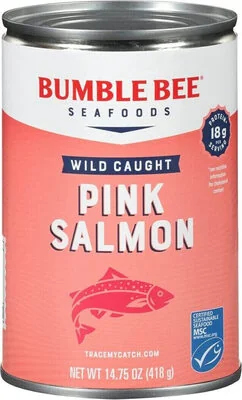 Bumble BeePink Salmon100
100/100. 2 ingredients, no added oil, no sweetener listed, none of the 9 additive groups we check.
Best unsweetened
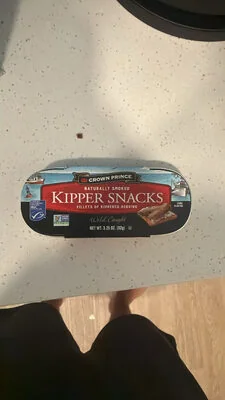 Crown PrinceSmoked Kipper Snacks100
100/100. No sugar or other sweetener on the label.
No added oil or gum
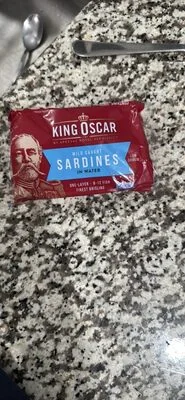 King OscarWater Sardines100
100/100. 2 ingredients, none of them an oil, gum or carrageenan.
Lowest sodium
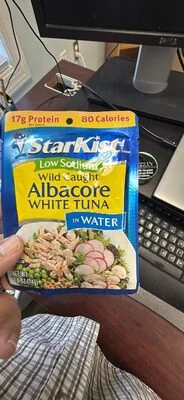 StarKistLow Sodium Albacore White Tuna100
70 mg sodium per 74 g (2.6 onz); 100/100.
Most flagged: Chicken of the Sea Wild Caught Sardines in Oil lists seed oils (89/100); Chicken of the Sea Chunk Light Tuna Il Oil lists seed oils (89/100); Chicken of the Sea Chunk Light Tuna in Oil lists seed oils (89/100).
A 0 to 100 label score, not a nutrition rating: 60 points for nine additive groups not on the label, 25 for a confirmed organic claim.
From the catalog
Sardines vs anchovies: the labels side by side
Counted from the current labels on our canned fish shelf whose names say sardines (including brisling and pilchards) or anchovies. Sodium is per 100 g from each product’s USDA FoodData Central record, so tins with different serving sizes compare fairly; anchovy servings are much smaller, often one 15 g portion of a few fillets.
| Sardines | Anchovies | |
|---|---|---|
| Current labels we hold | 15 | 9 |
| Packed in olive oil | 7 of 15 | 8 of 9 |
| Packed in a seed oil (soybean, sunflower, canola) | 1 of 15 | 0 of 9 |
| Packed in water only | 7 of 15 | 1 of 9 |
| Salt listed | 13 of 15 | 9 of 9 |
| Smoked or smoke flavor | 6 of 15 | 0 of 9 |
| Median sodium per 100 g (USDA records) | 367 mg (10 records) | 5,733 mg (6 records) |
| Median label serving (USDA records) | 85 g | 15 g |
From the catalog
Best sardines: all 15 sardine labels ranked
Equal scores are ordered by what the label shows: no sweetener first, then less added sugar per serving, then the shorter ingredient list. The score is a 0 to 100 label score (60 points for nine additive groups not found, up to 25 for a verified organic claim, up to 15 for a verified grass-fed or pasture-raised claim on animal foods); it is not a health or nutrition rating. Sugar and sodium per serving come from the product’s USDA FoodData Central Branded Foods record (per-100 g values scaled to the label serving, so they can differ by rounding from the printed panel); a dash means the label we hold came from the maker’s site without a recorded nutrition panel.
From the catalog
Anchovies: all 9 labels ranked
Anchovy fillets are salt-cured before they are packed, and 9 of 9 anchovy labels list salt. Ranked by Clean Food Score with what each is packed in.
| Rank | Product | Score | Packed in | Sodium per serving | Groups flagged |
|---|---|---|---|---|---|
| 1 | Sea Tales Anchovy Fillets in Olive Oil | 100 | Olive oil | 685 mg | None |
| 2 | Bellino Flat Fillets of Anchovies in Olive Oil | 100 | Olive oil | 960 mg | None |
| 3 | Cento Flat Fillet Anchovies in Olive Oil | 100 | Olive oil | 860 mg | None |
| 4 | Season Flat Fillets of Anchovies in 100% Olive Oil | 100 | Olive oil | 860 mg | None |
| 5 | Crown Prince Flat Anchovies in Olive Oil | 100 | Olive oil | 860 mg | None |
| 6 | Fishwife Cantabrian Anchovies in Extra Virgin Olive Oil | 100 | Extra virgin olive oil | – | None |
| 7 | Wild Planet Wild White Anchovies in Water | 100 | Water | – | None |
| 8 | Napoleon Rolled Anchovies with Capers | 100 | Olive oil | 920 mg | None |
| 9 | Wild Planet Wild White Anchovies in Extra Virgin Olive Oil | 100 | Extra virgin olive oil | – | None |
Compare the recorded labels
Find the ingredients that matter to you.
This table holds the 12 highest-scoring of the 93 canned fish we track. See all 93 on the shelf page, including products we cannot score until a current label is on record.
“No …” columns: None found on the label · Listed on the label · Unknown. Diet fit: Fits · Doesn’t fit · Unknown (rules; not medical advice). Claims: verified · not established. Default: most check marks first; not a health score.
| Buy | |||||||
|---|---|---|---|---|---|---|---|
| 100 / 1009 of 9 groups clear · organic not applicable | Product details → | 4 | |||||
Recorded ingredients PINK SALMON, SALT Label checked 2026-10-16 · US Source: USDA FoodData Central ↗ · FDC ID 2607563 · data date 2023-07-13 · release 2026-04-30. Brand-submitted label record, public domain (CC0). | |||||||
| 100 / 1009 of 9 groups clear · organic not applicable | Product details → | 4 | |||||
Recorded ingredients NATURALLY WOOD SMOKED FILLETS OF KIPPERED HERRING, SALT Label checked 2026-10-16 · US Source: USDA FoodData Central ↗ · FDC ID 2676841 · data date 2023-11-16 · release 2026-04-30. Brand-submitted label record, public domain (CC0). | |||||||
| 100 / 1009 of 9 groups clear · organic not applicable | Product details → | 4 | |||||
Recorded ingredients FILLETS OF ANCHOVIES, OLIVE OIL, SALT Label checked 2026-11-10 · US Source: USDA FoodData Central ↗ · FDC ID 2597543 · data date 2023-07-13 · release 2026-04-30. Brand-submitted label record, public domain (CC0). | |||||||
| 100 / 1009 of 9 groups clear · organic not applicable | Product details → | 4 | |||||
Recorded ingredients LIGHTLY SMOKED BRISLING SARDINES, WATER, SALT Label checked 2026-11-10 · US Source: USDA FoodData Central ↗ · FDC ID 2674878 · data date 2023-11-16 · release 2026-04-30. Brand-submitted label record, public domain (CC0). | |||||||
| 100 / 1009 of 9 groups clear · organic not applicable | Product details → | 4 | |||||
Recorded ingredients FILLETS OF ANCHOVIES, OLIVE OIL, SALT. Label checked 2026-11-10 · US Source: USDA FoodData Central ↗ · FDC ID 2680565 · data date 2023-11-16 · release 2026-04-30. Brand-submitted label record, public domain (CC0). | |||||||
| 100 / 1009 of 9 groups clear · organic not applicable | Product details → | 4 | |||||
Recorded ingredients WHITE TUNA, WATER, VEGETABLE BROTH, SEA SALT Label checked 2026-10-16 · US Source: USDA FoodData Central ↗ · FDC ID 2654470 · data date 2023-10-26 · release 2026-04-30. Brand-submitted label record, public domain (CC0). | |||||||
| 100 / 1009 of 9 groups clear · organic not applicable | Find where to buy ↗Product details → | 4 | |||||
Recorded ingredients WHITE TUNA, WATER, VEGETABLE BROTH, SEA SALT, PYROPHOSPHATE ADDED Label checked 2026-10-16 · US Source: USDA FoodData Central ↗ · FDC ID 2599194 · data date 2023-07-13 · release 2026-04-30. Brand-submitted label record, public domain (CC0). | |||||||
| 100 / 1009 of 9 groups clear · organic not applicable | Product details → | 4 | |||||
Recorded ingredients CHUNK WHITE ALBACORE TUNA. WATER. Label checked 2026-10-18 · US Source: USDA FoodData Central ↗ · FDC ID 2460512 · data date 2023-02-16 · release 2026-04-30. Brand-submitted label record, public domain (CC0). | |||||||
| 100 / 1009 of 9 groups clear · organic not applicable | Product details → | 4 | |||||
Recorded ingredients PILCHARDS, OLIVE OIL, SALT. Label checked 2026-11-10 · US Source: USDA FoodData Central ↗ · FDC ID 2302830 · data date 2022-05-23 · release 2026-04-30. Brand-submitted label record, public domain (CC0). | |||||||
| 100 / 1009 of 9 groups clear · organic not applicable | Find where to buy ↗Product details → | 4 | |||||
Recorded ingredients SARDINES, WATER, SALT. Label checked 2026-10-16 · US Source: USDA FoodData Central ↗ · FDC ID 2404779 · data date 2022-12-22 · release 2026-04-30. Brand-submitted label record, public domain (CC0). | |||||||
| 100 / 1009 of 9 groups clear · organic not applicable | Product details → | 4 | |||||
Recorded ingredients SARDINES, WATER, SALT Label checked 2026-11-10 · US Source: USDA FoodData Central ↗ · FDC ID 2552963 · data date 2023-05-25 · release 2026-04-30. Brand-submitted label record, public domain (CC0). | |||||||
| 100 / 1009 of 9 groups clear · organic not applicable | Product details → | 4 | |||||
Recorded ingredients LIGHT TUNA, WATER, VEGETABLE BROTH, SEA SALT. Label checked 2026-10-16 · US Source: USDA FoodData Central ↗ · FDC ID 2463560 · data date 2023-02-16 · release 2026-04-30. Brand-submitted label record, public domain (CC0). | |||||||
How the clean score works
No setup needed, and strict: a full 100 needs every additive group clear and a verified organic claim (animal foods also need a verified grass-fed or pasture-raised claim; wild seafood and salt, which have no USDA organic standard, are scored without the organic points, and plant-based milks, cheeses and proteins without the feeding claim). Points: the nine additive groups (seed oils, artificial dyes, MSG, artificial sweeteners, carrageenan, artificial preservatives, hydrogenated oils, corn syrups, banned-abroad additives) share 60 points equally — not found earns a group’s full share, “may contain” earns half, listed earns 0; a verified organic claim is worth 25; a verified grass-fed or pasture-raised claim is worth 15 and counts only for animal foods. No claim, or an expired or unverified claim, earns nothing, so products without those claims cannot reach 100. Unverified or expired ingredient labels receive no score. Equal scores are equal. Equal scores are ordered by the label: no sweetener first, then less added sugar per serving, then the shorter ingredient list. Unknown and stale evidence never passes “Only show matches.” Producer claims and prices do not affect this score. This is not a nutrition, allergy, or safety rating.
As an Amazon Associate I earn from qualifying purchases. Buying links do not influence ingredient results. “Buy on Amazon” opens a reviewed product listing; “Find where to buy” opens the maker’s page. Confirm the package, seller, stock, and current price before checkout. Price observations expire after 30 days.
The full guide · Seafood
Choosing canned fish: what to check before you buy
Compare the exact fish species, packing liquid and drained portion. Tuna, salmon, sardines and other canned seafood differ in flavor and how you use them, while sauces and added oils change the recipe.
Check sodium and whether nutrition is stated for drained fish or the full contents. For mercury-related choices, use the FDA/EPA fish guidance linked below; the ingredient check does not measure mercury in a can.
What to compare
- Exact species
- Read the species rather than treating every tuna or seafood product as the same.
- Packing and drained amount
- Compare water, oil or sauce and the portion you will eat.
- Sodium
- Check the same serving amount and whether the panel is for drained contents.
- Mercury and sourcing
- Use the FDA/EPA species guidance for mercury questions and fishery details for sourcing.
Your preferences, explained
The clean score is strict and needs no setup: nine additive groups not found in a current ingredient statement, plus a verified organic claim (and a grass-fed or pasture-raised claim for animal foods), are needed for 100; a possible match earns half and a missing claim earns nothing. Missing or expired evidence stays unknown. It does not assess nutrition, allergies, contaminants, or safety.
References
- Advice about eating fish U.S. Food and Drug Administration
- Omega-3 fatty acids fact sheet for consumers NIH Office of Dietary Supplements
- Fish Harvard T.H. Chan School of Public Health
- Seafood Watch recommendations Monterey Bay Aquarium
- MSC certified sustainable seafood Marine Stewardship Council
An ingredient check is not a nutrition, contaminant, allergy or safety assessment. How we verify labels →