The additive guides
Food additives to avoid: nine things we look for on every label.
Not every ingredient list says what it means. These are the nine groups shoppers most often want to avoid, with the names each one hides under and how often it really turns up on the labels we have read.
This is a label check, not a health rating.
- Groups checked
- 9
- Current labels read
- 5,685
- Products in the library
- 8,179
- Label re-check
- 90 days
The nine groups
Seed Oils
Highly processed industrial seed oils.
canola oilrapeseed oilsoybean oilsoy oil+8 more19% of current labels list it (1,053 of 5,685)Read the Seed Oils guideArtificial Dyes
Synthetic food colorings.
red 40yellow 5yellow 6blue 1+36 more4% of current labels list it (211 of 5,685)Read the Artificial Dyes guideMSG
Explicit monosodium glutamate (does not include natural glutamates like yeast extract).
monosodium glutamatemsg1% of current labels list it (58 of 5,685)Read the MSG guideArtificial Sweeteners
Synthetic sugar substitutes.
aspartamesucralosesaccharinacesulfame potassium+3 more2% of current labels list it (119 of 5,685)Read the Artificial Sweeteners guideCarrageenan
Extract from red seaweed often used as a thickener.
carrageenan1% of current labels list it (81 of 5,685)Read the Carrageenan guideArtificial Preservatives
Chemical preservatives used to extend shelf life.
sodium benzoatepotassium sorbatebhabutylated hydroxyanisole+11 more8% of current labels list it (451 of 5,685)Read the Artificial Preservatives guideHydrogenated Oils
Oils chemically hardened with hydrogen; partially hydrogenated oils are the main source of artificial trans fat.
partially hydrogenatedhydrogenated oilhydrogenated vegetable oilhydrogenated soybean oil+6 more1% of current labels list it (40 of 5,685)Read the Hydrogenated Oils guideCorn Syrups
High-fructose corn syrup and other refined corn syrups (glucose-fructose syrup is the same ingredient under its EU/Canadian label name).
high fructose corn syruphigh-fructose corn syruphfcscorn syrup+4 more5% of current labels list it (270 of 5,685)Read the Corn Syrups guideBanned-Abroad Additives
Additives permitted in the US that are banned or restricted in food elsewhere, such as potassium bromate, titanium dioxide, brominated vegetable oil, azodicarbonamide and propylparaben.
potassium bromatebromated flourtitanium dioxidee171+4 more2% of current labels list it (118 of 5,685)Read the Banned-Abroad Additives guide
Additive guides
Shop without a specific additive
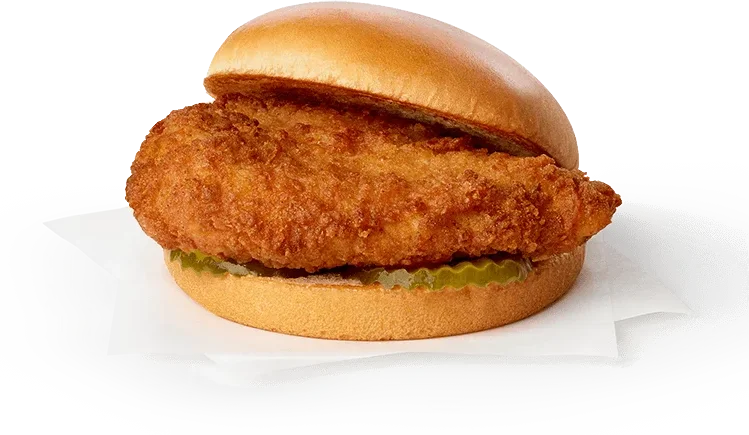
Additive guides
What are seed oils?
Seed oils are cooking oils pressed from crop seeds: canola, soybean, sunflower, safflower, corn, cottonseed, grapeseed and rice bran. The full list with label names, how they are made, foods and restaurant items in our catalog that list them, and how to add them to your avoid list.
Open guideAdditive guides
Are seed oils bad for you?
A balanced look at the evidence on seed oils and heart health: the American Heart Association advisory, a pooled analysis of 30 cohorts, the Minnesota Coronary Experiment reanalysis, what is settled, what is debated, and how to read a label if you choose to avoid them.
Open guide
Additive guides
US food dye ban
What the FDA has actually done about synthetic food dyes: the Red 3 revocation and its January 15, 2027 food deadline, the voluntary 2027 phase-out target for Red 40, Yellow 5, Yellow 6, Blue 1, Blue 2 and Green 3, company pledges, and the products in our catalog that still list a dye.
Open guide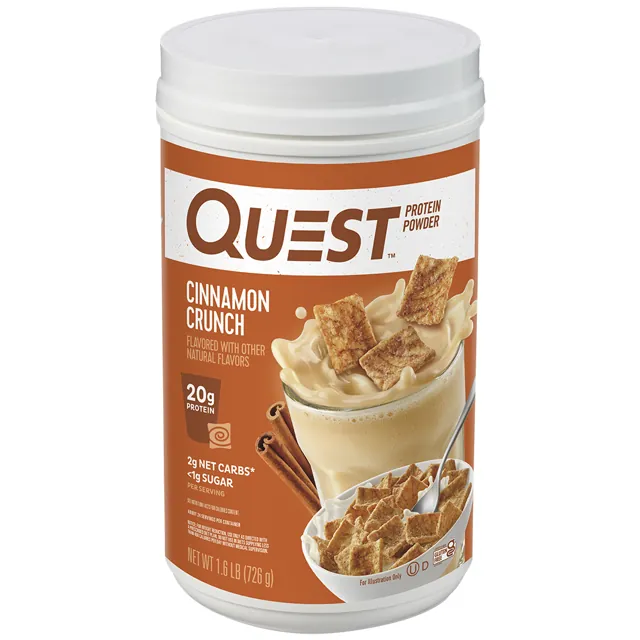
Additive guides
Aspartame and artificial sweeteners
What aspartame is, what the IARC 2023 “possibly carcinogenic” rating means next to the unchanged WHO and FDA intake limits, how the other artificial sweeteners compare, and which catalog products list aspartame or other artificial sweeteners.
Open guide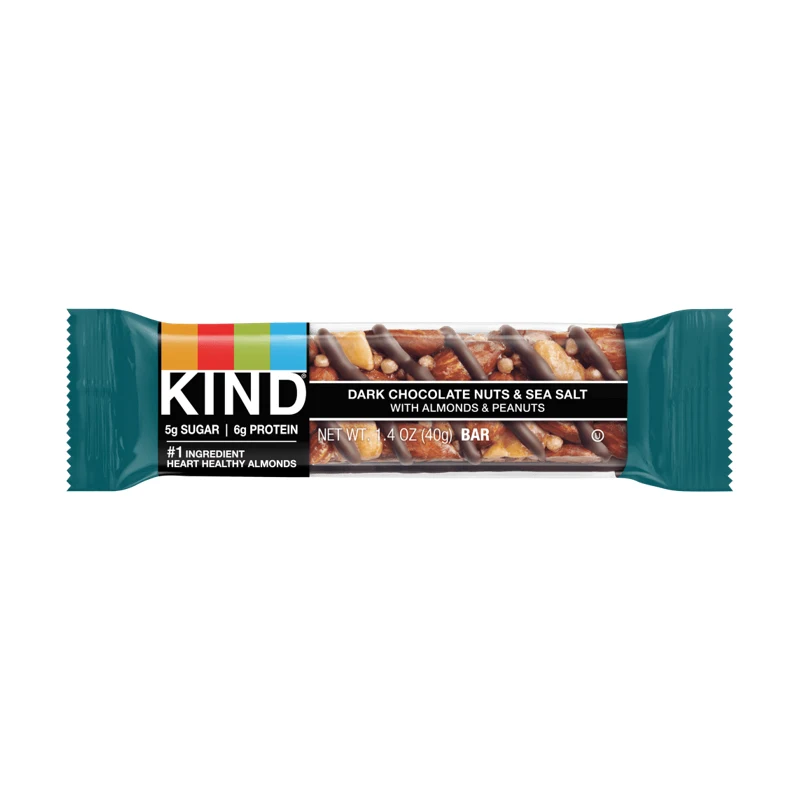
Additive guides
What are natural flavors?
What “natural flavor” means under 21 CFR 101.22, how it differs from artificial flavor, why the label does not list what is inside, and which catalog products list natural flavors.
Open guide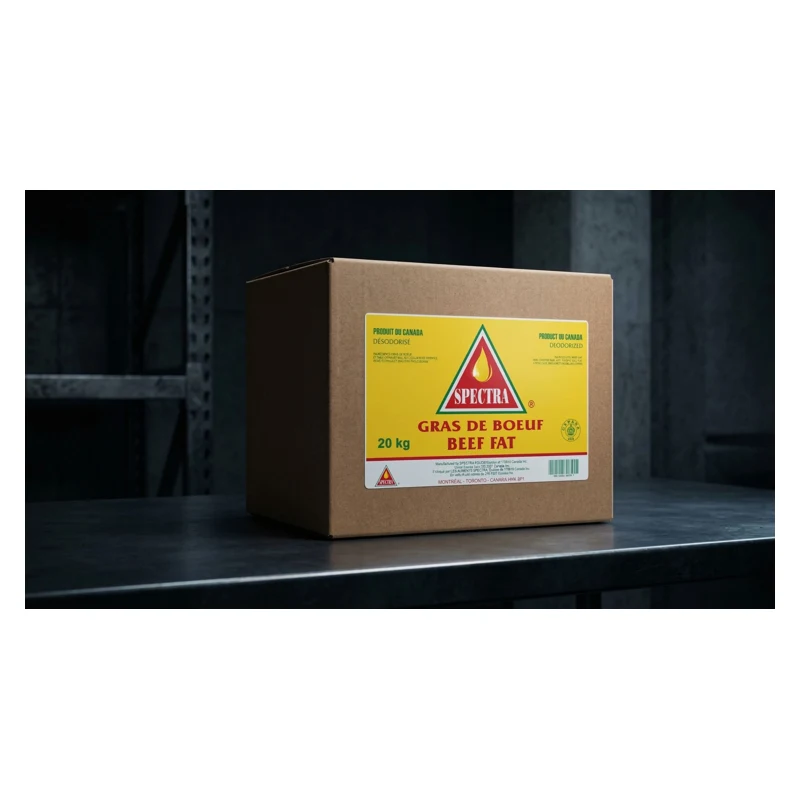
Additive guides
Common food preservatives
A careful, sourced look at the preservatives people ask about: nitrites and processed meat, BHA, potassium bromate, benzoates and TBHQ, what each IARC or regulator classification means, and which catalog products list them.
Open guideAdditive guides
Food additives to avoid
What food additives are, the FDA’s GRAS framework, the main types of additives, and the nine groups shoppers most often avoid with the label names, evidence guides and real product counts from our catalog.
Open guide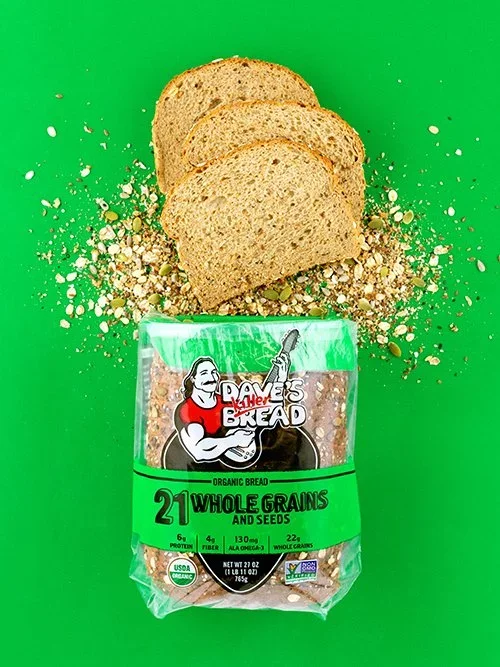
Additive guides
Arsenic in rice and food
Why rice contains arsenic, the difference between inorganic and organic arsenic, the FDA’s 100 ppb limit for infant rice cereal, EFSA’s 2024 risk assessment, practical steps from the FDA, and the rice products in our catalog. The catalog holds no arsenic test data.
Open guideAdditive guides
Heavy metals in baby food
Arsenic, lead, cadmium and mercury in baby food: the FDA’s Closer to Zero plan, its January 2025 lead action levels, the 100 ppb infant rice cereal limit, what the February 2021 House subcommittee report found, and what parents can do.
Open guideAdditive guides
Heavy metals in food
How arsenic, lead, cadmium and mercury get into food, what the FDA and WHO say about each, which foods the agencies mention, and practical steps. A sourced overview; the catalog has no contaminant test data.
Open guide
Additive guides
Food dye and ADHD
A balanced, sourced review of whether artificial food dyes affect children’s behavior: California OEHHA’s April 2021 report, a 2012 meta-analysis, EFSA’s reviews, the EU warning label on six colours, the FDA’s position and the products in our catalog that list a dye.
Open guide
Additive guides
Ingredients to avoid in food
There is no official list of bad chemicals in food. This checklist shows ingredients people ask about, with what the FDA, EFSA and IARC have actually decided: Red 3, partially hydrogenated oils, brominated vegetable oil, potassium bromate, titanium dioxide, BHA, nitrite and aspartame.
Open guide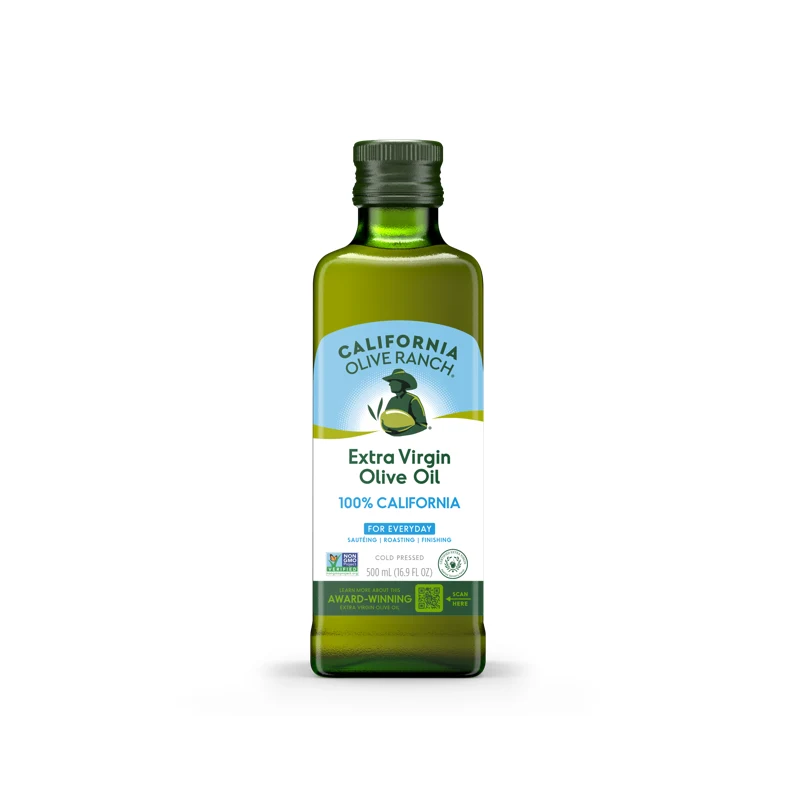
Additive guides
Worst cooking oils
Is there a worst cooking oil? A sourced look at the FDA’s removal of partially hydrogenated oils, the American Heart Association advice on saturated and polyunsaturated fats, the FDA oleic acid claim, canola and cottonseed oil, and the cooking oils in our catalog.
Open guide
Additive guides
Artificial sweeteners and health
What the WHO 2023 guideline on non-sugar sweeteners says, what the FDA allows, how sucralose, saccharin, stevia, monk fruit and sugar alcohols differ, and which catalog products list them.
Open guide
Additive guides
Ultra-processed foods
The NOVA definition of ultra-processed food, which label ingredients mark it, what a 2024 BMJ umbrella review and a 2019 NIH trial found, the limits of that evidence, and catalog products that list NOVA marker ingredients.
Open guideAdditive guides
Titanium dioxide in food
What titanium dioxide (E171) does in food, EFSA’s 2021 opinion, the EU removal effective February 2022, the FDA’s different view, the IARC Group 2B listing, how it can hide behind “artificial color”, and catalog products that list it.
Open guide
Additive guides
Is MSG bad for you?
What the FDA says about MSG safety, the short-term symptoms some people report, how MSG must be labeled, why yeast extract is not MSG on a label, and catalog products that list monosodium glutamate.
Open guide
Additive guides
Is carrageenan bad for you?
Carrageenan is a seaweed-derived thickener. What the FDA regulation allows, EFSA’s 2018 temporary group ADI and its concerns, the IARC distinction between native and degraded carrageenan, and catalog products that list it.
Open guide
Additive guides
High-fructose corn syrup
What high-fructose corn syrup is (HFCS 42 and 55), what the FDA says about it compared with sugar, the WHO limit on free sugars, why NOVA treats it as a marker of ultra-processing, and catalog products that list corn syrups.
Open guide
Additive guides
What is caramel color?
What caramel color is, how the FDA defines it, which classes contain 4-MEI, what the NTP and IARC found at very high doses, why labels do not say which class is used, and catalog products that list caramel color.
Open guide
Additive guides
What is citric acid?
Citric acid is mostly made by fermenting sugar with a mold, not squeezed from lemons. Why it is added to food, which shelves list it most, and how our checker treats it.
Open guide
Additive guides
Sunflower lecithin vs soy lecithin
Sunflower lecithin and soy lecithin do the same job as emulsifiers. How they differ on a label, how allergen rules treat each, and which shelves list them.
Open guide
Additive guides
Sunflower oil
What sunflower oil is, how regular and high-oleic sunflower oil differ in fat profile, which shelves list it, and why our checker flags it as a seed oil.
Open guide
Additive guides
Soybean oil
Soybean oil is the most common oil in US packaged food. Which shelves list it, why “vegetable oil” often means soybean oil, how allergen rules treat refined soybean oil, and swaps on the same shelf.
Open guide
Additive guides
Is olive oil a seed oil?
Is olive oil a seed oil? No: it is pressed from the olive fruit. A ruling on 12 oils, the “olive oil blend” trap, which grade to use for cooking, and labels by shelf.
Open guide
Additive guides
Palm oil
The label names for palm oil, which forms our checker flags (hydrogenated palm), counts by shelf, and the no-stir nut butters that use it.
Open guideAdditive guides
Xanthan gum and guar gum
What xanthan gum, guar gum, gellan gum and cellulose gum are made from, what each does in food, FDA status, and how many labels list each.
Open guide
Additive guides
Emulsifiers in food
The emulsifiers on food labels ranked by how many labels list each: lecithin, mono and diglycerides, polysorbate 80, carrageenan. FDA status and a cautious summary of the gut microbiome studies.
Open guide
Additive guides
What is dextrose?
Dextrose is glucose, usually made from corn. How it differs from maltodextrin, what the FDA says, which shelves list each (deli meat, pizza, chips) and how to read the sugar lines.
Open guide
Additive guides
How to read food labels
A five-step method for reading a food label: serving size, added sugars, sodium, the 5 and 20 percent rule and ingredient order, shown on four real catalog labels, then run through the checker.
Open guide
Additive guides
What does organic mean?
The three USDA organic label tiers, what the organic seal requires, how organic counts for 25 of the 100 points in our score, and how store-brand organic lines score against conventional versions.
Open guide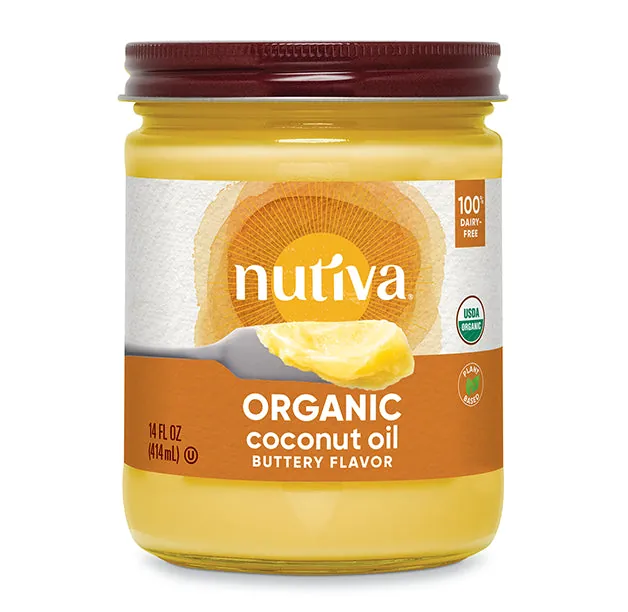
Additive guides
Natural food coloring
What counts as a natural food color in US rules, the difference between colors exempt from certification and certified colors, and how many labels use annatto, turmeric, beet and spirulina.
Open guide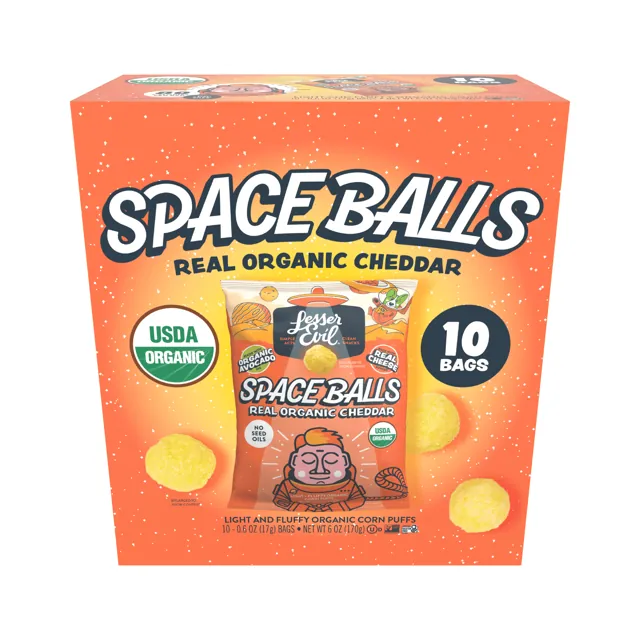
Additive guides
What is lactic acid?
Lactic acid on a food label is a sour acid. What the FDA rule says about how it is made, why makers add it, and which shelves list it most.
Open guide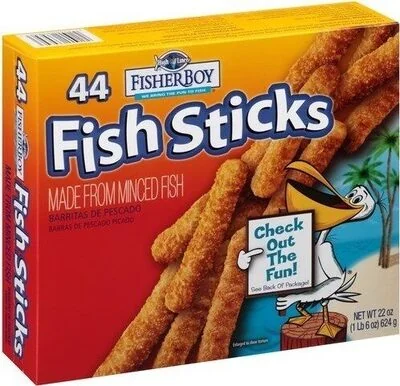
Additive guides
What is thiamine mononitrate?
Thiamine mononitrate is vitamin B1 in the form added to enriched flour and cereal. What the FDA rule says, what an enriched label means, and which shelves list it most.
Open guide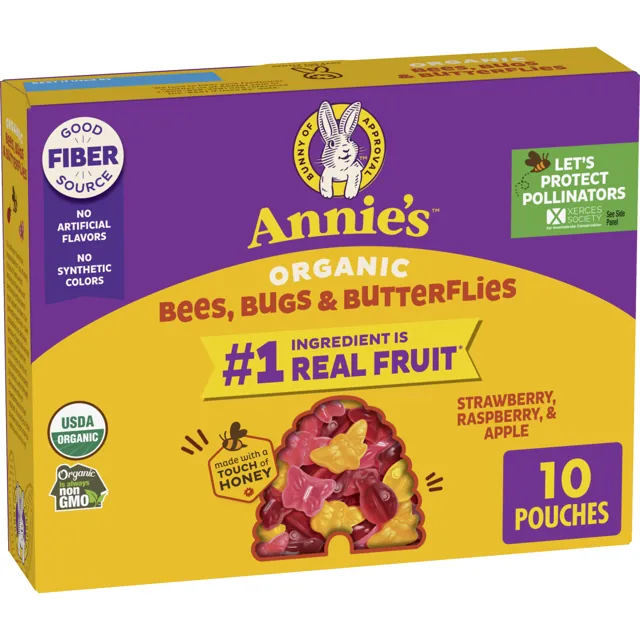
Additive guides
What is carnauba wax?
Carnauba wax is a hard plant wax from the leaves of the Brazilian wax palm (E903) that gives candy its shine; the FDA lists it as GRAS under 21 CFR 184.1978. Which shelves list it, shellac vs carnauba, and how our checker treats it.
Open guide
Additive guides
What is invert sugar?
Invert sugar (inverted sugar) is sucrose split into glucose and fructose by acid or an enzyme; the FDA lists it as GRAS under 21 CFR 184.1859. Why bakers use it, which shelves list it, and how it counts as added sugar.
Open guide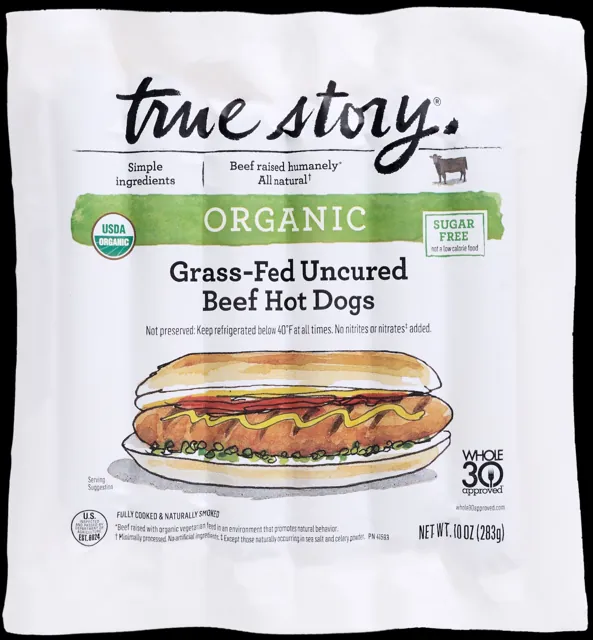
Additive guides
Meat label claims decoded
What air chilled, natural, uncured, no antibiotics ever and bioengineered mean on meat and poultry labels, with the USDA FSIS and AMS rules behind each and how many catalog labels use celery powder.
Open guide
Additive guides
What is methylcellulose?
Methylcellulose is a chemically modified plant fiber used as a binder and thickener. FDA status, which shelves list it, how it differs from cellulose gum, and how our checker treats it.
Open guideAdditive guides
Takis ingredients
Every Takis flavor label we hold, word for word: 10 flavors. 6 list Red 40, 5 Blue 1 (Blue Heat only Blue 1), 3 TBHQ, 9 MSG. Fuego has 19 ingredients.
Open guide
Additive guides
What is chicory root fiber?
Chicory root fiber is inulin, a non-digestible carbohydrate added to bars and drinks. How the FDA counts it as dietary fiber, which shelves list it, how it differs from roasted chicory, and what soluble corn fiber is.
Open guideMeat & delivery
Nitrate-free deli meat
44 of 72 deli labels list no sodium nitrite, from 11 brands: 13 cure with celery powder (still nitrite), 31 list no cure. Turkey, ham, roast beef.
Open guide
Additive guides
Snacks without dyes or MSG
Compare snack ingredient statements for the checker’s artificial color and MSG terms, with full labels, dates, and clear unknown results.
Open guideAdditive guides
Seed-oil-free snacks
Chips, crackers, bars, popcorn and nuts whose current, complete ingredient list contains no canola, soybean, sunflower, safflower, corn, cottonseed, grapeseed or rice bran oil.
Open guide
Meat & delivery
Seed-oil-free chicken nuggets
Packaged chicken nuggets, tenders and fries compared by ingredient list for seed oils such as canola, soybean and sunflower oil, plus how to read breaded chicken labels.
Open guide
Additive guides
What is Red 40?
Red 40 (Allura Red, E129) is a petroleum-based dye, not pork. It is on 106 food labels we read, led by candy & gummies and cereal, and on 0 of 79 hot sauces.
Open guideAdditive guides
What is Yellow 5?
Yellow 5 (tartrazine, FD&C Yellow No. 5, E102) is a synthetic lemon-yellow food dye. What it is made of, its label names, whether it is bad for you or banned, Yellow 5 vs Yellow 6, and real products whose labels list it.
Open guide
Additive guides
Dye-free foods
What “dye free” means, how to tell if a food has artificial dyes like Red 40 or Yellow 5, dye-free candy and M&M’s alternatives, natural colors that are not dyes, and products whose current labels list no artificial dyes.
Open guideQuick answers
The questions shoppers ask most
- What are the seed oils? The full list
- Are seed oils kosher?
- What is a seed oil?
- Is vegetable oil a seed oil?
- What does “seed oil free” mean?
- Which foods have seed oils?
- Are seed oils bad for you?
- What can I cook with instead of seed oils?
- Is Blue 40 a thing?
- What is the blue version of Red 40?
- What is Blue 40 (Blue 1) made of?
- Which artificial food dyes are used in the US?
- Is Red 40 bad for you?
- Is Red 40 banned?
- What is Red 40?
- What is Yellow 5?
- Which foods use red and yellow food dyes?
- What is the difference between Blue 1 and Blue 2?
- What gives food a natural blue color?
- How many calories are in MSG, by the spoonful?
- What is MSG in food?
- What is Accent seasoning? Is Accent MSG?
- Is Ajinomoto MSG? What AJI-NO-MOTO is made of
- What types of MSG are there?
- Which foods contain MSG?
- Is MSG bad for you?
- Which sugar-free sweeteners are artificial?
- Aspartame vs sucralose: what’s the difference?
- What are the names of artificial sweeteners?
- What are other names for sucralose?
- What is Equal made of?
- Is Splenda the same as sucralose?
- What is carrageenan made from?
- What are the types of carrageenan?
- Which foods contain carrageenan?
- Is carrageenan safe?
- Which foods contain BHA and BHT?
- What is BHT preservative?
- Are BHA and BHT bad for you?
- How do I avoid BHA and BHT?
- What does hydrogenated mean?
- What is hydrogenated oil?
- Lard vs hydrogenated lard: what’s the difference?
- How do I spot hydrogenated oil on a label?
- What is corn sweetener?
- High fructose corn syrup vs corn syrup solids: what’s the difference?
How we check
A strict reader, not a guesser.
We read the whole label
Only a complete ingredient statement from the maker counts, including nested ingredients such as the sauce inside a marinade.
We match names and numbers
Each group covers its everyday names, dye numbers (Red 40, Yellow 5), E-codes and INS numbers. A listed ingredient beats a “may contain” note.
We re-check every 90 days
A label older than 90 days returns Unknown until it is read again, so an old record never passes as clean.