Artificial Sweeteners · additive guide · 7 tracked names
Artificial sweeteners: the full list, and which sugar-free sweeteners are not artificial
The artificial sweeteners are aspartame (Equal, NutraSweet), sucralose (Splenda), saccharin (Sweet’N Low), acesulfame potassium (Ace-K), neotame and advantame. Stevia, monk fruit, allulose and sugar alcohols such as erythritol are also sugar-free, but they are not artificial sweeteners and are not flagged here.
Updated
- Labels that list it
- 1192% of 5,685 current labels
- Labels with none found
- 5,566current, complete labels
- Names we match
- 7aliases, numbers and codes
Your avoid list
Comparison tables and product pages use your saved list. Search products
Quick answers
Artificial Sweeteners: the questions people search
Which sugar-free sweeteners are artificial?
Six are artificial: aspartame, sucralose, saccharin, acesulfame potassium, neotame and advantame. The other common sugar-free sweeteners come from plants or are sugar alcohols: stevia, monk fruit, allulose, erythritol, xylitol and sorbitol. A “sugar free” or “zero sugar” drink usually contains at least one of the artificial six, often sucralose with acesulfame potassium.
| Sweetener | What it is | Flagged here as artificial? | Common in |
|---|---|---|---|
| Aspartame | Synthetic, two amino acids | Yes | Diet soda, sugar-free gum, yogurt |
| Sucralose | Synthetic, chlorinated sugar | Yes | Zero-sugar drinks, protein powder, baked goods |
| Acesulfame potassium | Synthetic | Yes | Paired with sucralose or aspartame in drinks |
| Saccharin | Synthetic | Yes | Tabletop packets, some sodas |
| Neotame, advantame | Synthetic, aspartame-related | Yes | Rarely listed; baked goods, drinks |
| Stevia (Reb A, Reb M) | Purified plant extract | No | Zero-sugar drinks, yogurts, packets |
| Monk fruit | Plant extract | No | Sweetener blends, keto snacks |
| Allulose | Rare sugar | No | Keto bars, syrups |
| Erythritol, xylitol, sorbitol | Sugar alcohols | No | Sugar-free candy, gum, keto foods |
If you avoid all non-sugar sweeteners, read for stevia, monk fruit and sugar alcohols too: this check flags only the six artificial ones.
Aspartame vs sucralose: what’s the difference?
Aspartame (Equal, NutraSweet) is made from two amino acids, is about 200 times sweeter than sugar and breaks down when heated. Sucralose (Splenda) is made by swapping three of sugar’s hydroxyl groups for chlorine, is about 600 times sweeter and stays stable in baking. Both are FDA-approved; aspartame carries a phenylalanine warning for people with PKU.
| Aspartame | Sucralose | |
|---|---|---|
| Brand names | Equal, NutraSweet | Splenda |
| Made from | Aspartic acid and phenylalanine | Sucrose, chlorinated |
| Sweetness vs sugar | About 200× | About 600× |
| Heat | Breaks down; poor for baking | Heat-stable; used in baking |
| EU code | E951 | E955 |
| FDA acceptable daily intake | 50 mg per kg of body weight | 5 mg per kg of body weight |
| Notable review | IARC rated it “possibly carcinogenic” (Group 2B) in 2023; JECFA kept its intake limit | A 2023 lab study raised questions about a sucralose by-product; regulators have not changed its status |
| Label warning | Phenylketonurics: contains phenylalanine | None |
Neither one is flagged as better here: both count as artificial sweeteners on every label we check.
What are the names of artificial sweeteners?
The main artificial sweeteners are aspartame, sucralose, saccharin, acesulfame potassium (Ace-K), neotame and advantame. Each has a chemical name, a brand name on sweetener packets and an E-number for EU-style labels, so the same ingredient can read differently on different products.
| Sweetener | Brand names | EU code | Sweetness vs sugar |
|---|---|---|---|
| Aspartame | Equal, NutraSweet, Canderel | E951 | About 200× |
| Sucralose | Splenda | E955 | About 600× |
| Saccharin | Sweet’N Low, Sugar Twin | E954 | About 200–700× |
| Acesulfame potassium | Ace-K, Sunett, Sweet One | E950 | About 200× |
| Neotame | Newtame | E961 | About 7,000–13,000× |
| Advantame | — | E969 | About 20,000× |
Sweetness multiples are the FDA’s approximate figures. Sugar alcohols (erythritol, xylitol, sorbitol), stevia, monk fruit and allulose are different ingredients and are not matched by this check.
What are other names for sucralose?
Sucralose is also sold as Splenda, appears as E955 on EU-style labels, and has the chemical name trichlorosucrose. On a US ingredient list it is almost always written simply as “sucralose”. Splenda packets also contain bulking agents such as maltodextrin and dextrose, so the packet label lists more than one ingredient.
What is Equal made of?
Equal’s sweetener is aspartame, which is made from two amino acids, aspartic acid and phenylalanine, joined with a methanol-derived methyl ester. Equal packets bulk the aspartame with dextrose and maltodextrin, and the label carries a warning for people with phenylketonuria (PKU). Formulas differ by product (Equal Original, Equal Spoonful, Equal Stevia), so read the package you are holding.
Is Splenda the same as sucralose?
Splenda is a brand whose sweetener is sucralose. Pure sucralose is extremely intense, so Splenda blends it with maltodextrin or dextrose to measure like sugar. Both read as sucralose when we scan a label.
Why shoppers avoid it
What the evidence says
High-intensity sweeteners such as aspartame, sucralose, and saccharin are approved by the FDA at current intake levels. Shoppers who avoid them point to open questions: researchers are still studying effects on gut bacteria and appetite, the WHO advised in 2023 against using non-sugar sweeteners for weight control, and IARC classified aspartame as possibly carcinogenic to humans (Group 2B) while JECFA left its acceptable daily intake unchanged.
WHO: advises not to use non-sugar sweeteners for weight control (May 15, 2023) · Read the full evidence review →
These are reasons shoppers give, not medical advice. CleanFoodScore reads labels; it does not rate health.
Buy instead
Cleaner swaps
Raw honey, 100% pure maple syrup, organic dates, organic coconut sugar, or pure stevia and monk fruit extract.
Watch
The videos about this page


On the label
The names to look for
An ingredient list rarely says “artificial sweeteners”. We check each of these declarations and their numbered synonyms.
aspartamesucralosesaccharinacesulfame potassiumacesulfame kneotameadvantame
On the shelves
Where it actually shows up
Shelves that list it most
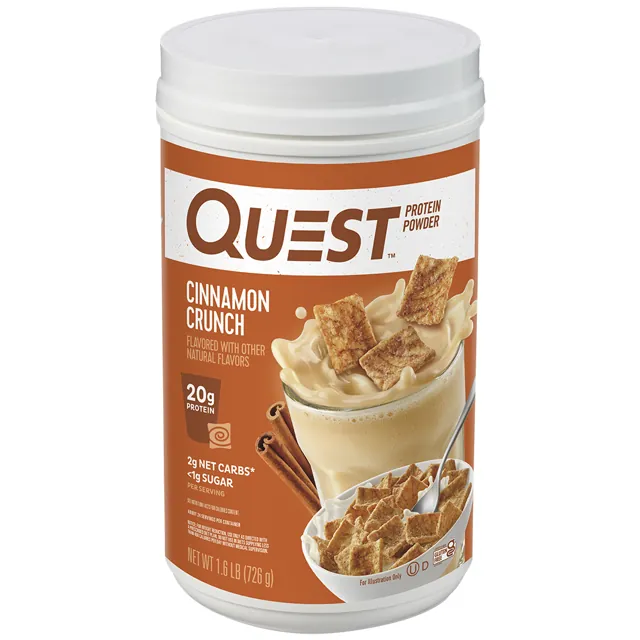
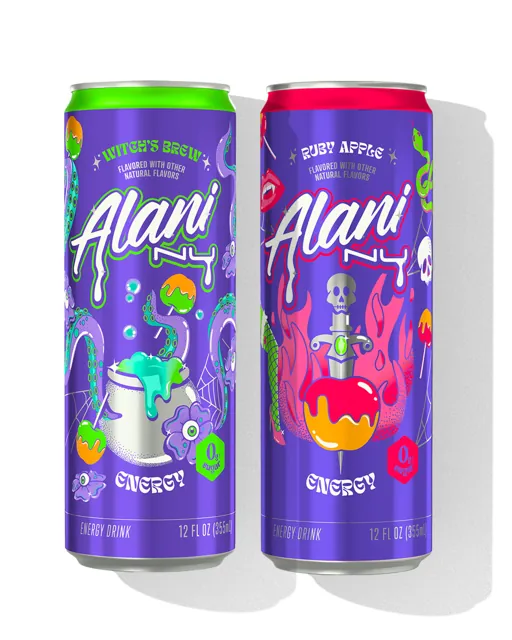
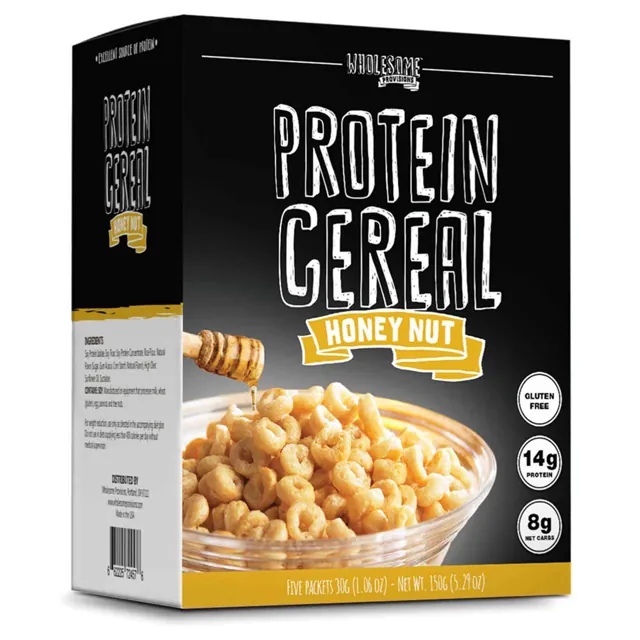
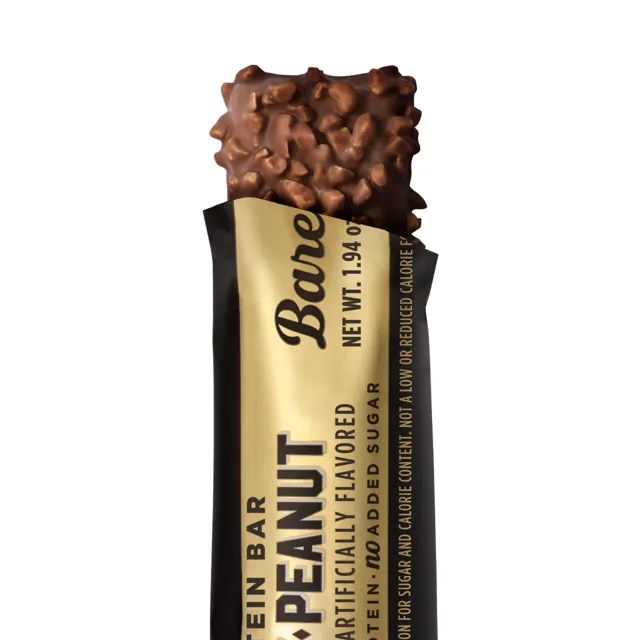
Examples with none found, from the same shelves
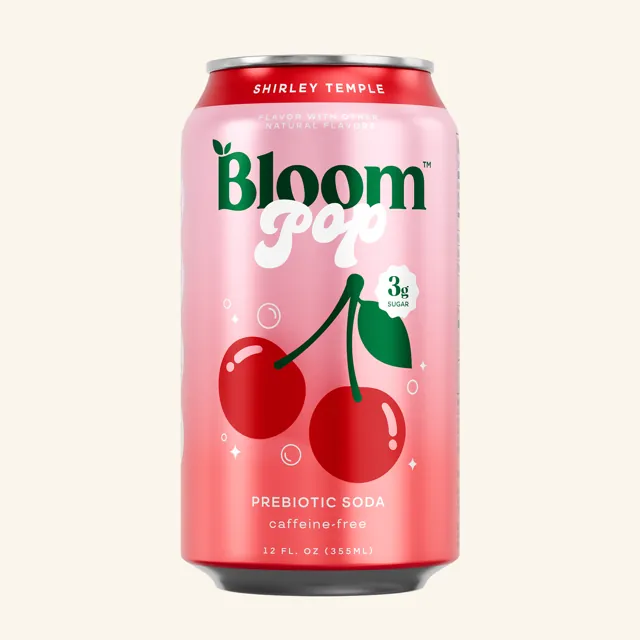 Bloom NutritionPop Prebiotic Soda
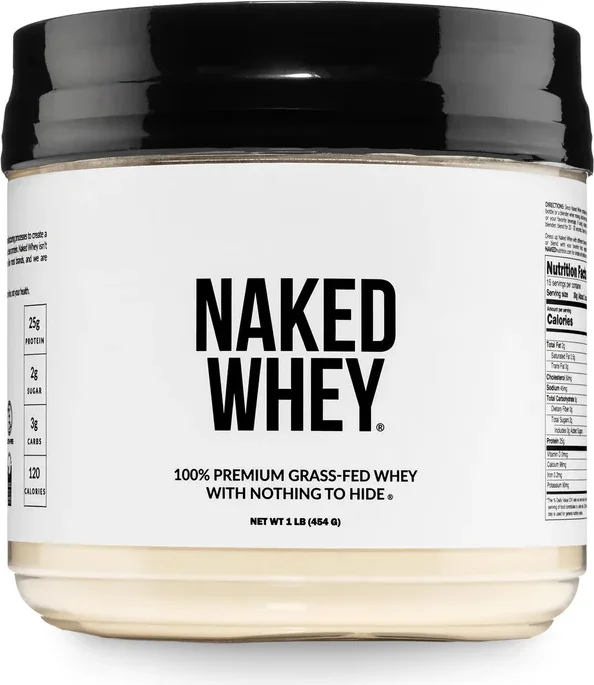 Naked NutritionNaked Whey, Unflavored
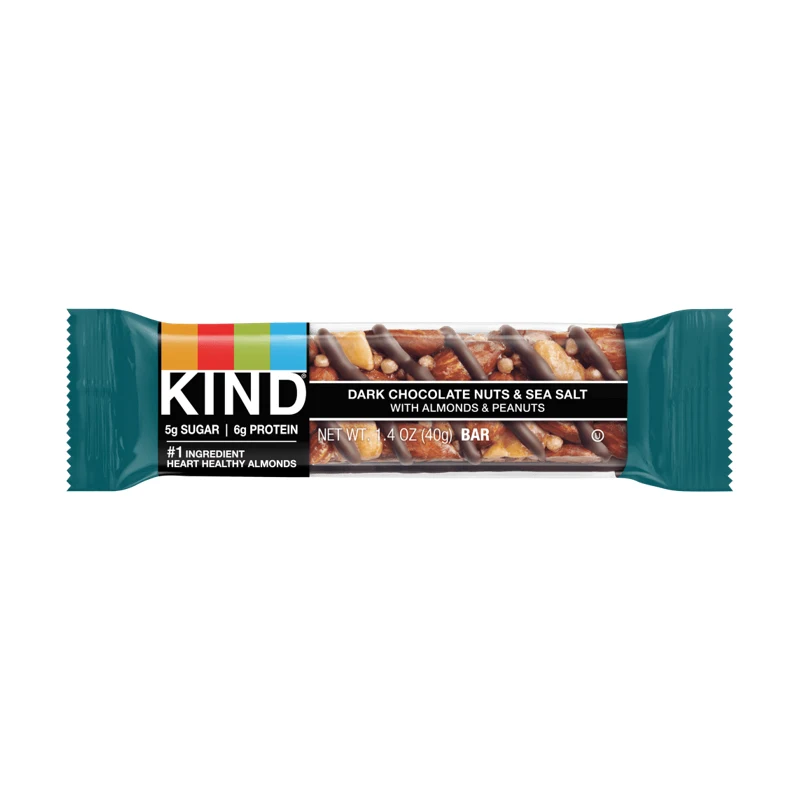 KINDDark Chocolate Nuts & Sea Salt Bars
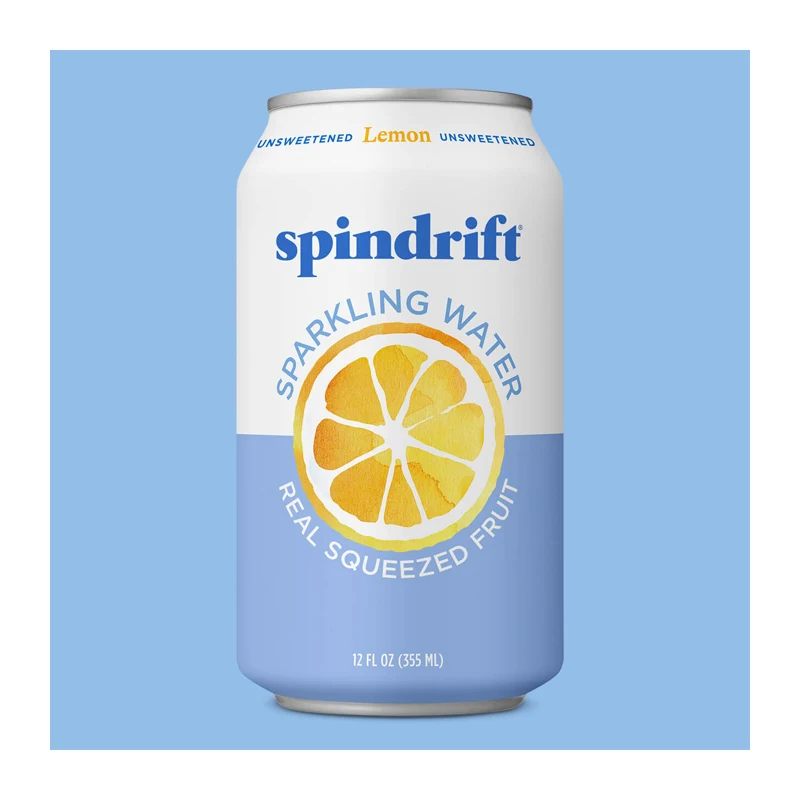 SpindriftLemon Sparkling Water
 NuunZero Sugar
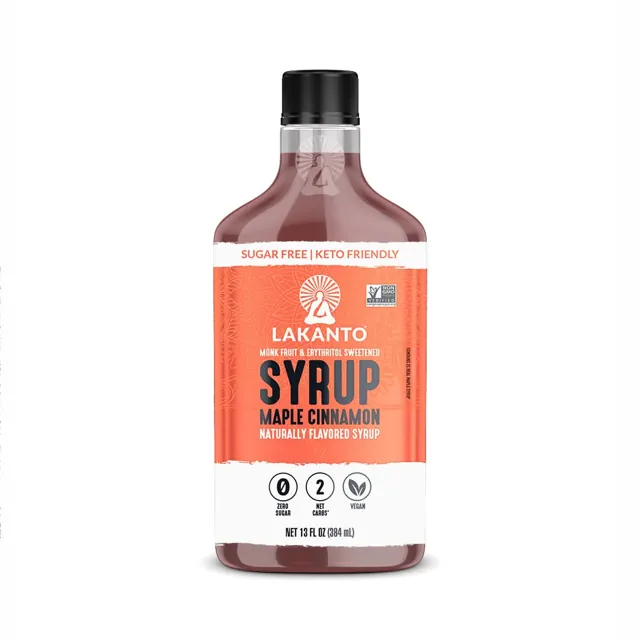 LakantoSyrup Cinnamon Maple
Counts use complete, current labels only. A product with no verified label is never counted as clean.
Good to know
Questions people ask
Is sucralose the same as Splenda?
Yes, Splenda is the brand name for sucralose blended with bulking agents like maltodextrin.
Are monk fruit and stevia considered artificial sweeteners?
Pure extracts from monk fruit and stevia leaf are botanically derived and not classified as synthetic artificial sweeteners.
Keep reading