Carrageenan · additive guide · 1 tracked name
What is carrageenan made from?
Carrageenan is extracted from red seaweed, mainly Chondrus crispus (Irish moss) and the tropical species Kappaphycus alvarezii and Eucheuma denticulatum. The seaweed is washed, heated in water (often with an alkali), filtered and dried into a powder that thickens and gels foods. Because it comes from seaweed, it is plant-based and vegan.
Updated
- Labels that list it
- 811% of 5,685 current labels
- Labels with none found
- 5,604current, complete labels
- Names we match
- 1aliases, numbers and codes
Your avoid list
Comparison tables and product pages use your saved list. Search products
Quick answers
Carrageenan: the questions people search
What is carrageenan made from?
Carrageenan is extracted from red seaweed, mainly Chondrus crispus (Irish moss) and the tropical species Kappaphycus alvarezii and Eucheuma denticulatum. The seaweed is washed, heated in water (often with an alkali), filtered and dried into a powder that thickens and gels foods. Because it comes from seaweed, it is plant-based and vegan.
On EU-style labels it appears as E407. “Processed Eucheuma seaweed” (E407a) is a less refined version that you may also see.
What are the types of carrageenan?
The three commercial types are kappa (firm gels), iota (soft, elastic gels) and lambda (thickens without gelling). Which seaweed is used determines the mix. Food-grade carrageenan is not the same as poligeenan, a degraded form used in lab studies that is not permitted in food.
Which foods contain carrageenan?
Plant milks such as almond, oat and coconut milk, ice cream, cream and cottage cheese, chocolate milk, deli meats, protein shakes, canned pet food and some infant formulas. It is used to keep ingredients from separating and to give a thicker mouthfeel.
Is carrageenan safe?
Regulators including the FDA allow it in food, while some laboratory studies suggest it may irritate the gut in sensitive people. The evidence is disputed, and CleanFoodScore reports whether a label lists it rather than rating its health effects. Many brands now offer carrageenan-free versions, and we show which labels list it.
Why shoppers avoid it
What the evidence says
Carrageenan is a seaweed-derived thickener used to stabilize dairy, plant milks, and deli meats. Some laboratory and animal studies suggest it may disrupt the gut lining or promote intestinal inflammation, but evidence in people is limited. It is permitted in the US, and the European Food Safety Authority kept it approved in its 2018 re-evaluation while asking for more data.
EFSA: re-evaluation of carrageenan (E 407) as a food additive, EFSA Journal (2018) · Read the full evidence review →
These are reasons shoppers give, not medical advice. CleanFoodScore reads labels; it does not rate health.
Buy instead
Cleaner swaps
Acacia fiber, organic tapioca starch, arrowroot powder, or products made without added gums and emulsifiers.
Watch
The video about this page

On the label
The names to look for
An ingredient list rarely says “carrageenan”. We check each of these declarations and their numbered synonyms.
carrageenan
On the shelves
Where it actually shows up
Shelves that list it most

Examples with none found, from the same shelves
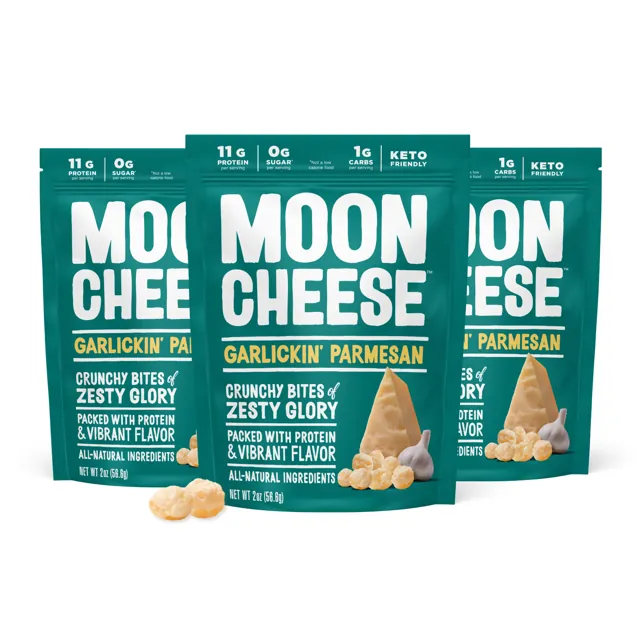 Moon CheeseGarlickin' Parmesan (Medium)
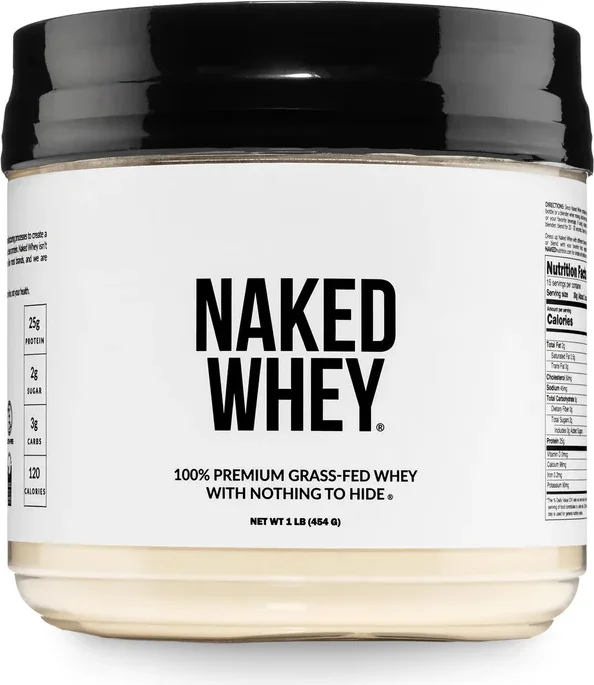 Naked NutritionNaked Whey, Unflavored
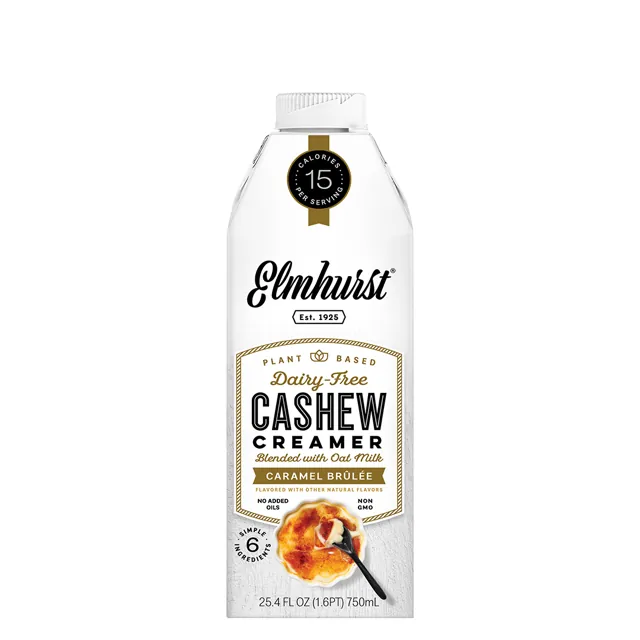 Elmhurst 1925Caramel Brûlée Cashew Creamer
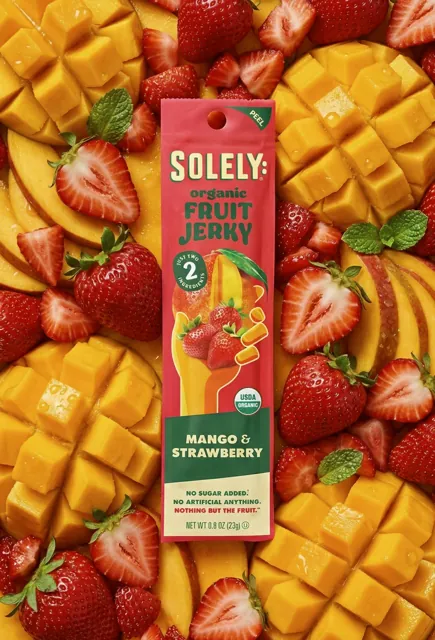 SolelyOrganic Mango Strawberry Fruit Jerky
 FAGETotal Plain Whole Milk 5% Greek Yogurt
- Photo pendingHaagen-dazsIce Cream, Vanilla
Counts use complete, current labels only. A product with no verified label is never counted as clean.
Good to know
Questions people ask
What types of food commonly contain carrageenan?
Heavy cream, ice cream, almond/oat milks, deli meats, and protein shakes commonly use carrageenan as an emulsifier.
Keep reading