Storage guides · Product label guide
Does olive oil go bad? What the label shows and where to find the storage time.
Updated
No cooking oil label in our catalog lists a preservative. What extra virgin, refined and blended olive oil labels say, how date labels work, and where to find the storage time.
Quick answer
Olive oil is a single-ingredient product, so the label does not explain shelf life. In our catalog no cooking oil label lists a preservative, and the date on a bottle is the maker’s choice: USDA FSIS says that, except for infant formula, a date on a package is not required by federal law. For storage times use the USDA FoodKeeper and the storage line on the bottle; we do not repeat a number we could not verify.
- Cooking oil labels with a flagged preservative
- 0 of 55
- Olive oil labels on the shelf
- 21
- Extra virgin
- 20
- Storage time
- USDA FoodKeeper
01 · A closer look
The label cannot tell you how long it keeps.
An olive oil label lists one ingredient, or in a blend, more than one oil. It does not state how long the bottle keeps. Our label data holds ingredient lists, not the maker’s storage line, so we do not state one. Use the line on the bottle and the USDA FoodKeeper entry for that exact oil.
USDA and FoodSafety.gov: FoodKeeper (storage times for pantry, refrigerator and freezer)02 · A closer look
What our shelf shows.
In the catalog no cooking oil label lists a preservative. Extra virgin, refined and flavored olive oils sit side by side, and a small number of labels that say olive oil also list a seed oil in a blend. The table counts each wording from current labels at the last site build.
03 · A closer look
Reading the wording.
Extra virgin means the oil is sold as pressed. A bottle that lists refined olive oil and extra virgin olive oil is a blend of the two. Check the ingredient list, not only the front of the bottle, for a seed oil after the olive oil. Our guide on whether olive oil is a seed oil lists the twelve oils the checker treats as seed oils.
04 · A closer look
What a date label means.
Date labels on most food are voluntary. USDA FSIS says that, except for infant formula, a date on a package is not required by federal law and is not a safety date. For meat, poultry and egg products FSIS describes “Best if Used By” as the date for best flavor or quality, not a purchase or safety date. Infant formula is the exception: the FDA requires a “Use by” date on its label.
USDA FSIS: food product dating05 · A closer look
Where to find the time.
The USDA FoodKeeper lists storage times for pantry and refrigerator, opened and unopened. We link it instead of repeating a figure that we could not confirm from the primary page.
USDA and FoodSafety.gov: FoodKeeper (storage times for pantry, refrigerator and freezer)From the catalog · 10 labels
Olive oil labels on the cooking oil shelf
Extra virgin, refined and blended olive oils share one shelf. Of the 4,729 products whose full ingredient list we have read in the last 90 days, 55 sit on the cooking oil shelf and 41 of those have no additive group flagged by the checker. Open a product to see its full label and the date we read it.
| Labels | |
|---|---|
| Current labels on the cooking oil shelf | 55 |
| List olive oil | 21 (38.2%) |
| Say extra virgin | 20 (36.4%) |
| Say refined olive oil, pure olive oil or an olive oil blend | 4 (7.3%) |
| List a seed oil as well | 14 (25.5%) |
| With any additive group flagged by the checker | 14 (25.5%) |
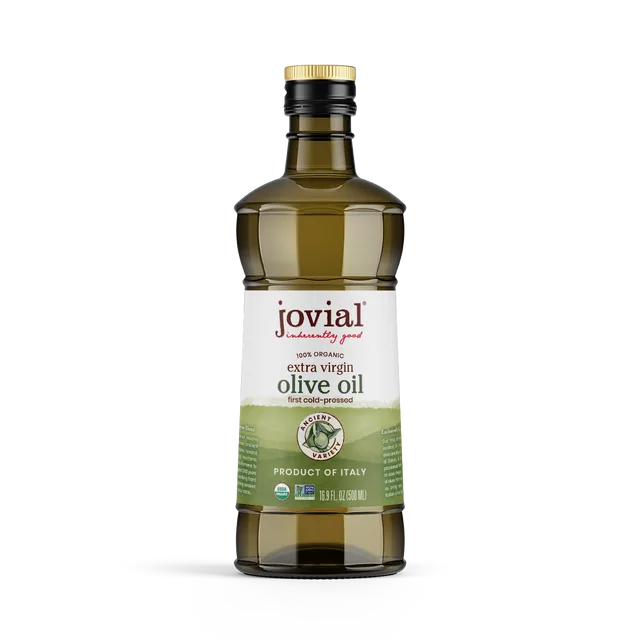 JovialOrganic Extra Virgin Olive Oil
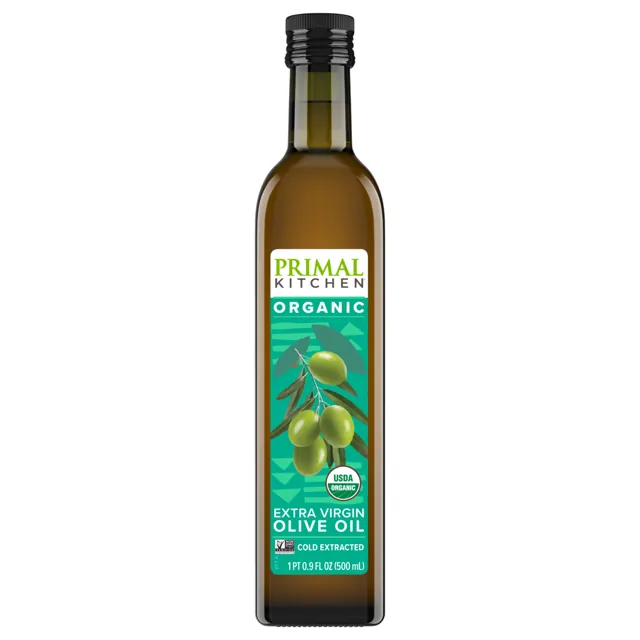 Primal KitchenOrganic Extra Virgin Olive Oil
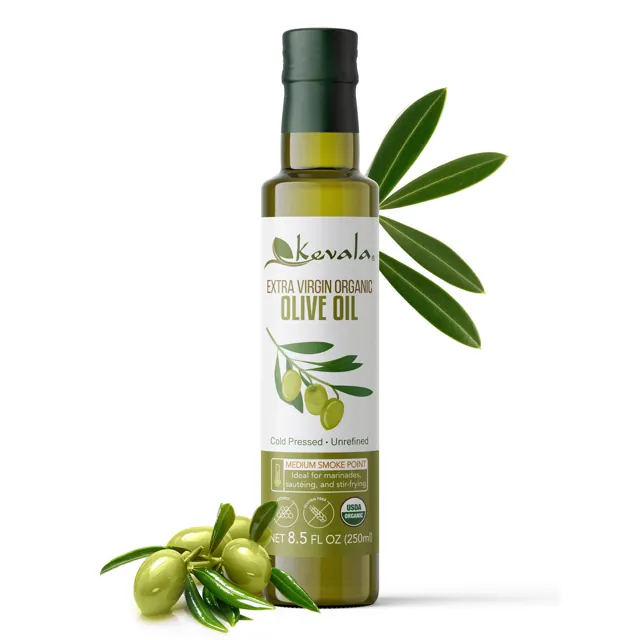 KevalaExtra Virgin Organic Olive Oil
 Terra DelyssaOrganic Extra Virgin Olive Oil
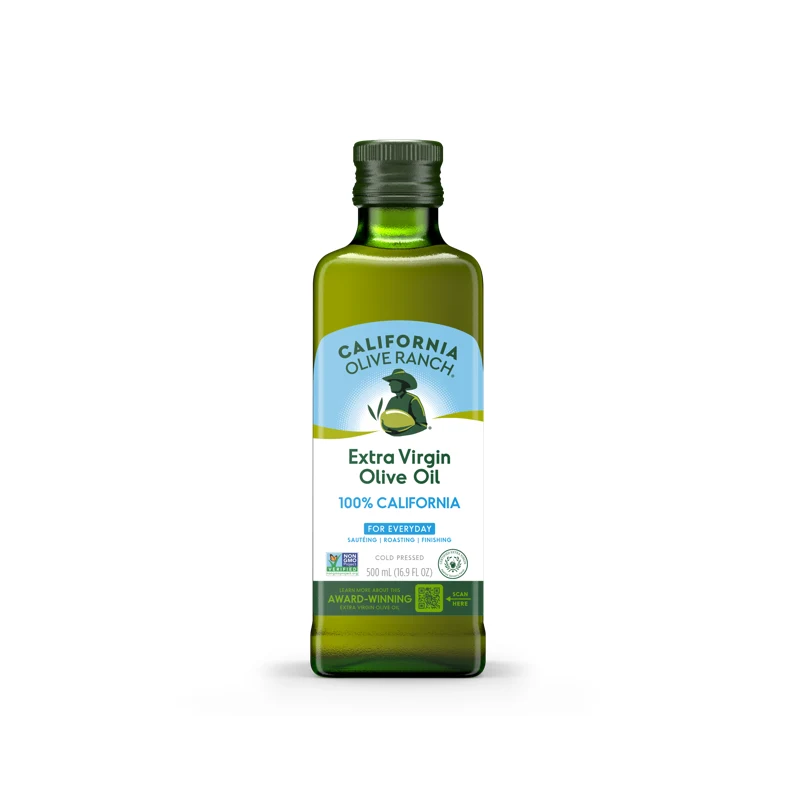 California Olive Ranch100% California Extra Virgin Olive Oil
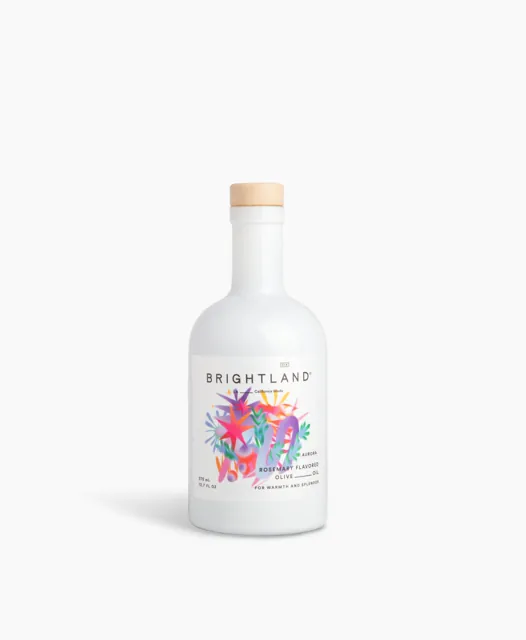 BrightlandAurora Rosemary Olive Oil
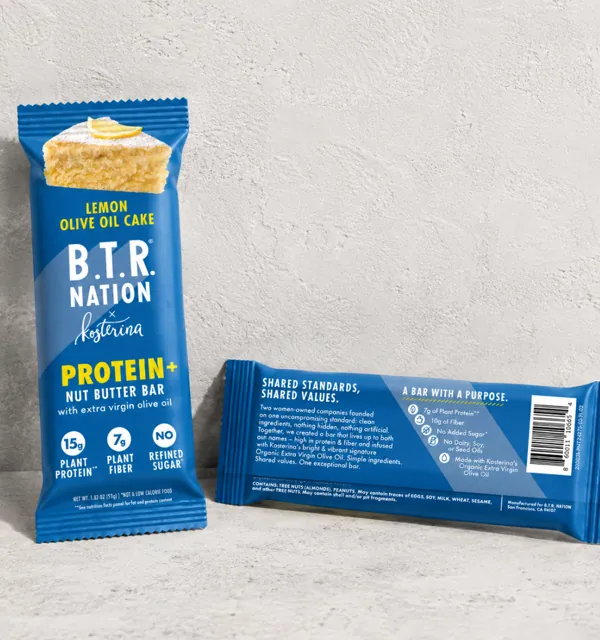 KosterinaLemon Olive Oil Cake Protein+ Bar
 BertolliOlive Oil
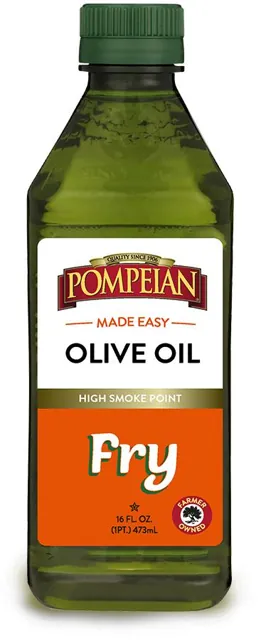 PompeianFry Olive Oil
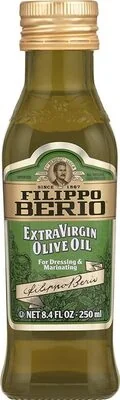 Filippo BerioExtra Virgin Olive Oil
The short answer
Our picks for does olive oil go bad?
Top of the shelfJovial Organic Extra Virgin Olive Oil, Jovial Organic Extra Virgin Olive Oil, and Kevala Extra Virgin Organic Olive Oil each score 100/100. 8 products tie at 100; these 3 have the shortest labels. Use Compare by in the table to separate the rest.
Also strongKevala Organic Extra Virgin Sesame Oil (100), Primal Kitchen Organic Extra Virgin Olive Oil (100), and Primal Kitchen Organic Extra Virgin Olive Oil (100).
Clear noNone. Nothing scored here lists any of the nine groups we check, so there’s no additive to rule out.
Ranked from 10 of 10 products with current labels. Every product is in the table below; a score reflects labels and claims, not nutrition, allergies or safety.
Compare the recorded labels
Find the ingredients that matter to you.
“No …” columns: None found on the label · Listed on the label · Unknown. Diet fit: Fits · Doesn’t fit · Unknown (rules; not medical advice). Claims: verified · not established. Default: most check marks first; not a health score.
| Buy | ||||||||
|---|---|---|---|---|---|---|---|---|
| 100 / 1009 of 9 groups clear · organic | Buy on Amazon ↗Product details → | 5 | ||||||
Recorded ingredients 100% organic extra virgin olive oil Label checked 2026-10-16 · US Ingredient evidence source ↗Sourcing claim evidence ↗ · reviewed 2026-10-05 Producer claims Organic The exact source catalog title states: “Organic Extra Virgin Olive Oil, 500 ml”. Source catalog claims are shown separately from ingredient checks. Producer claim source ↗Reviewed 2026-10-05 | ||||||||
| 100 / 1009 of 9 groups clear · organic | Find where to buy ↗Product details → | 5 | ||||||
Recorded ingredients Organic Extra Virgin Olive Oil Label checked 2026-10-17 · US Ingredient evidence source ↗Sourcing claim evidence ↗ · reviewed 2026-10-17 Producer claims Organic The exact source catalog title states: “Extra Virgin Organic Olive Oil 8.5 fl oz”. Source catalog claims are shown separately from ingredient checks. Producer claim source ↗Reviewed 2026-10-17 | ||||||||
| 100 / 1009 of 9 groups clear · organic | Find where to buy ↗Product details → | 5 | ||||||
Recorded ingredients 100% Organic Extra Virgin Sesame Oil Label checked 2026-10-17 · US Ingredient evidence source ↗Sourcing claim evidence ↗ · reviewed 2026-10-17 Producer claims Organic The exact source catalog title states: “Organic Extra Virgin Sesame Oil 8 fl oz”. Source catalog claims are shown separately from ingredient checks. Producer claim source ↗Reviewed 2026-10-17 | ||||||||
| 100 / 1009 of 9 groups clear · organic | Buy on Amazon ↗Product details → | 5 | ||||||
Recorded ingredients Organic Extra Virgin Olive Oil Label checked 2026-10-16 · US Ingredient evidence source ↗Sourcing claim evidence ↗ · reviewed 2026-10-11 Producer claims Organic The exact source catalog title states: “Organic Extra Virgin Olive Oil”. Source catalog claims are shown separately from ingredient checks. Producer claim source ↗Reviewed 2026-10-11 | ||||||||
| 100 / 1009 of 9 groups clear · organic | Buy on Amazon ↗Product details → | 5 | ||||||
Recorded ingredients Organic extra virgin olive oil. Label checked 2026-10-19 · US Ingredient evidence source ↗Sourcing claim evidence ↗ · reviewed 2026-10-19 Producer claims Organic The exact source catalog title states: “Organic Extra Virgin Olive Oil”. Source catalog claims are shown separately from ingredient checks. Producer claim source ↗Reviewed 2026-10-19 | ||||||||
| 71 / 1009 of 9 groups clear · no organic claim | Product details → | 4 | ||||||
Recorded ingredients REFINED OLIVE OIL, VIRGIN OLIVE OIL. Label checked 2026-10-16 · US Source: USDA FoodData Central ↗ · FDC ID 2633596 · data date 2023-09-14 · release 2026-04-30. Brand-submitted label record, public domain (CC0). | ||||||||
| 71 / 1009 of 9 groups clear · no organic claim | Find where to buy ↗Product details → | 4 | ||||||
Recorded ingredients REFINED OLIVE OIL, EXTRA VIRGIN OLIVE OIL Label checked 2026-10-16 · US Source: USDA FoodData Central ↗ · FDC ID 2589013 · data date 2023-06-29 · release 2026-04-30. Brand-submitted label record, public domain (CC0). | ||||||||
How the clean score works
No setup needed, and strict: a full 100 needs every additive group clear and a verified organic claim (animal foods also need a verified grass-fed or pasture-raised claim; wild seafood and salt, which have no USDA organic standard, are scored without the organic points, and plant-based milks, cheeses and proteins without the feeding claim). Points: the nine additive groups (seed oils, artificial dyes, MSG, artificial sweeteners, carrageenan, artificial preservatives, hydrogenated oils, corn syrups, banned-abroad additives) share 60 points equally — not found earns a group’s full share, “may contain” earns half, listed earns 0; a verified organic claim is worth 25; a verified grass-fed or pasture-raised claim is worth 15 and counts only for animal foods. No claim, or an expired or unverified claim, earns nothing, so products without those claims cannot reach 100. Unverified or expired ingredient labels receive no score. Equal scores are equal. Ties are ordered by brand. Unknown and stale evidence never passes “Only show matches.” Producer claims and prices do not affect this score. This is not a nutrition, allergy, or safety rating.
As an Amazon Associate I earn from qualifying purchases. Buying links do not influence ingredient results. “Buy on Amazon” opens a reviewed product listing; “Find where to buy” opens the maker’s page. Confirm the package, seller, stock, and current price before checkout. Price observations expire after 30 days.
Primary sources
Sources
Watch
The video about this page
