Additive guides · Product label guide
What is citric acid? How it is made, why it is added and where it shows up.
Updated
Citric acid is mostly made by fermenting sugar with a mold, not squeezed from lemons. Why it is added to food, which shelves list it most, and how our checker treats it.
Quick answer
Citric acid is a sour-tasting acid found naturally in citrus fruit. The citric acid added to packaged food is made mostly by fermenting sugar with the mold Aspergillus niger, not by squeezing lemons. Makers add it for tartness, to control acidity and to help keep food from spoiling. The FDA lists it as generally recognized as safe, and our checker does not flag it.
- FDA status
- GRAS, 21 CFR 184.1033
- Made by
- Fermenting sugar with A. niger
- Our checker
- Not flagged
- In our catalog
- 670 current labels list citric acid
01 · A closer look
Where citric acid comes from.
Citric acid occurs naturally in lemons, limes and other citrus fruit, but squeezing fruit is not how it is made for food. Industrial citric acid is produced by feeding sugar from corn or sugar cane to the mold Aspergillus niger in fermentation tanks, then purifying the acid. The result is chemically the same molecule as the citric acid in a lemon.
21 CFR 184.1033: citric acid02 · A closer look
What the FDA says.
The FDA affirms citric acid as generally recognized as safe (GRAS) for direct addition to food, with no limit other than current good manufacturing practice. It is one of the most common acidulants on ingredient labels.
21 CFR 184.1033: citric acid03 · A closer look
Why it is on the label.
It does three jobs: it adds sour flavor (candy, sparkling drinks), it sets acidity so that jams gel and preservatives work, and it slows browning and spoilage in fruit products. A label that lists citric acid is not claiming the food contains lemon juice. If lemon is in the product, the label names lemon juice separately.
04 · A closer look
How our checker treats it.
Citric acid is not one of the nine additive groups the checker flags, so it does not change a product’s score by itself. A short label with citric acid can still score 100. If you avoid it for a personal reason, such as a sensitivity, search the label for the word; we do not give medical advice.
FDA: food additives and GRAS ingredients, information for consumersFrom the catalog · 12 labels
Citric acid in our catalog
Of the 4,729 products whose full ingredient list we have read in the last 90 days, 670 (from 319 brands) list citric acid. The checker does not treat it as an additive to avoid, so a label that lists only citric acid is not marked down for it. Below are up to 12 of them, one per brand; open a product to see its full label and the date we read it.
| Labels | |
|---|---|
| Current, complete labels checked | 4,729 |
| List citric acid | 670 (14.2%) |
| Of those, no additive group flagged by the checker | 348 of 670 |
| Also flagged: Seed Oils | 160 of 670 |
| Also flagged: Artificial Preservatives | 135 of 670 |
| Also flagged: Corn Syrups | 86 of 670 |
| Labels on the Energy drinks shelf | 43 |
| Labels on the Jam & fruit spreads shelf | 40 |
| Labels on the Candy & gummies shelf | 34 |
| Labels on the Electrolyte & hydration drinks shelf | 34 |
| Labels on the Frozen pizza shelf | 33 |
 LesserEvilIntergalactic Onion Moonions
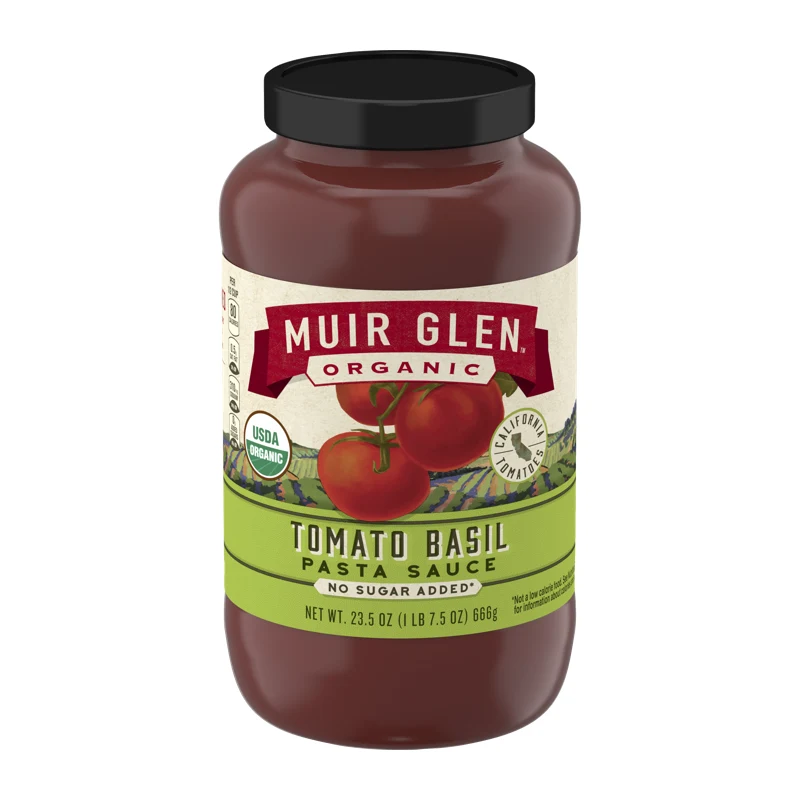 Muir GlenOrganic Tomato Basil Pasta Sauce
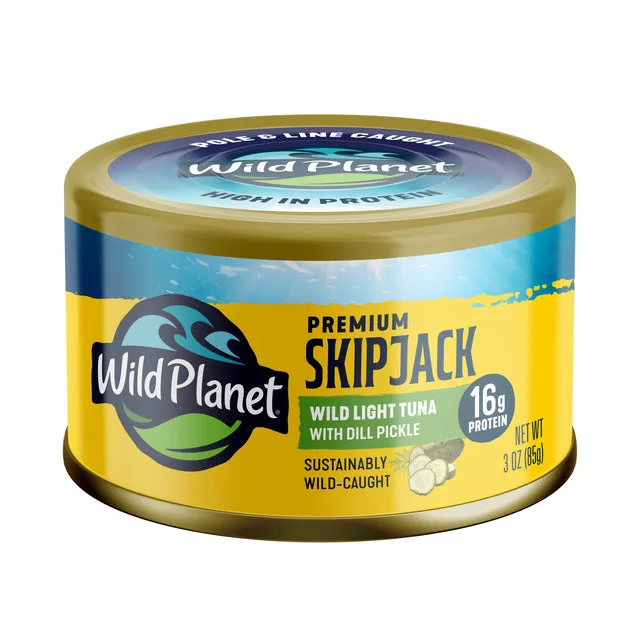 Wild PlanetSkipjack Wild Tuna with Dill Pickle
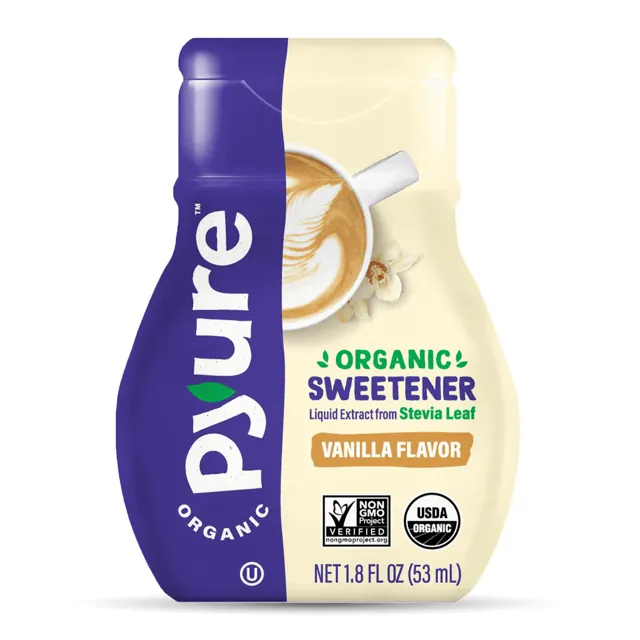 Pyure OrganicOrganic Liquid Stevia Sweetener – Vanilla
 Wholesome SweetenersOrganic Pancake Syrup Lite
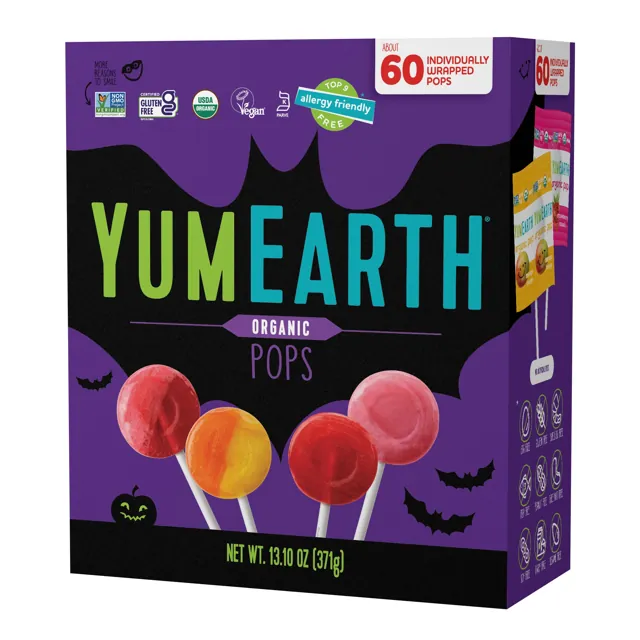 YumEarthHalloween Organic Lollipops
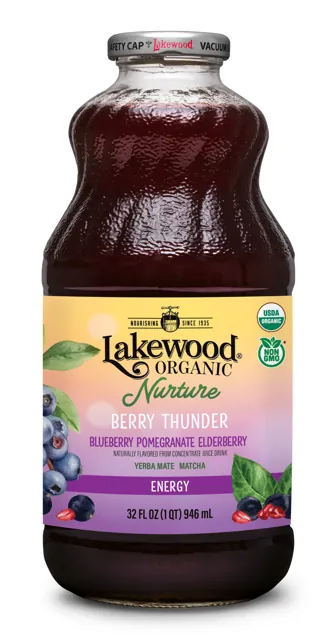 Lakewood OrganicNurture Berry Thunder, Organic Berry Juice with Matcha and Yerba Mate
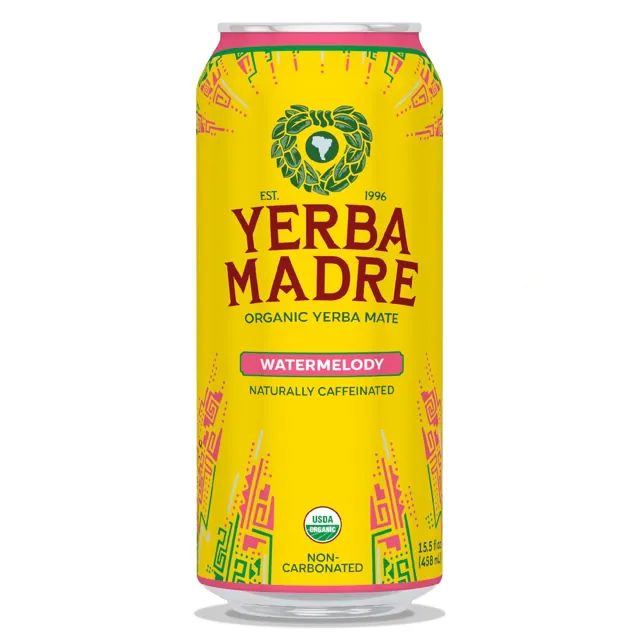 GuayakíOrganic Watermelody
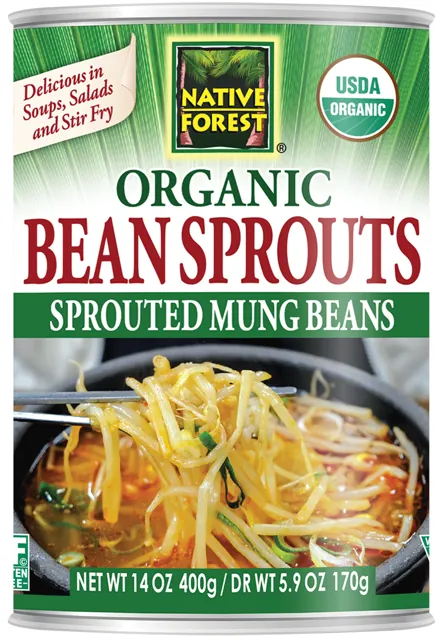 Edward & SonsNative Forest Organic Mung Bean Sprouts
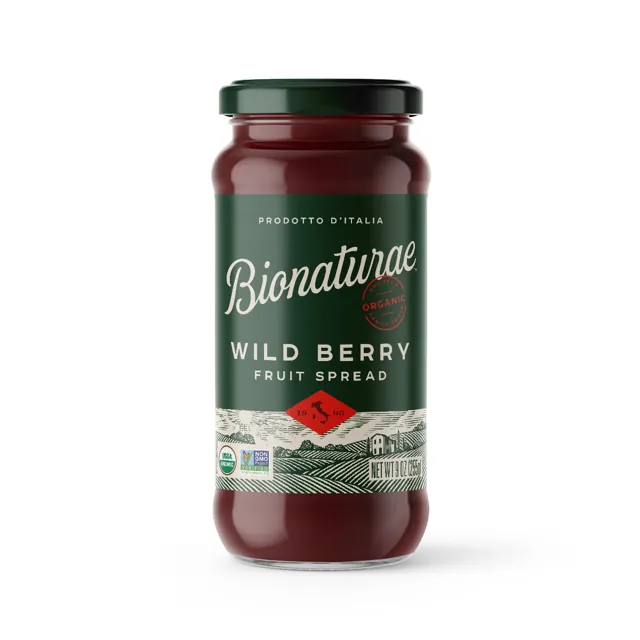 JovialOrganic Fruit Spread Wild Berry
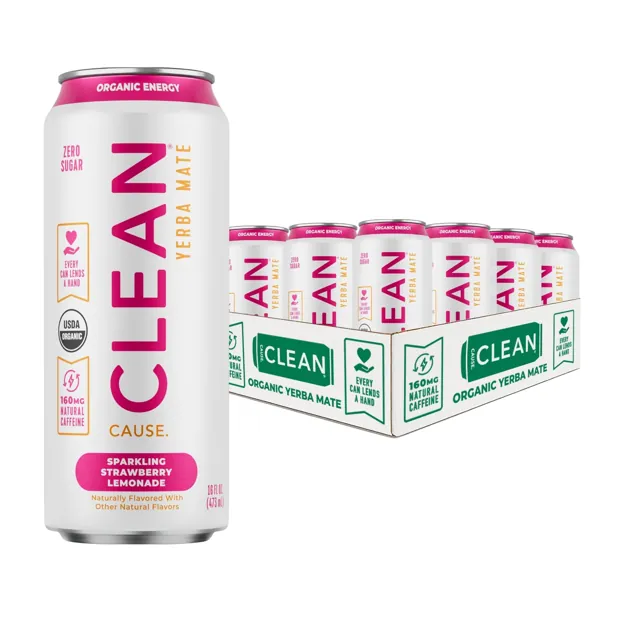 Clean CauseStrawberry Lemonade Organic Zero-Calorie Sparkling Yerba Mate
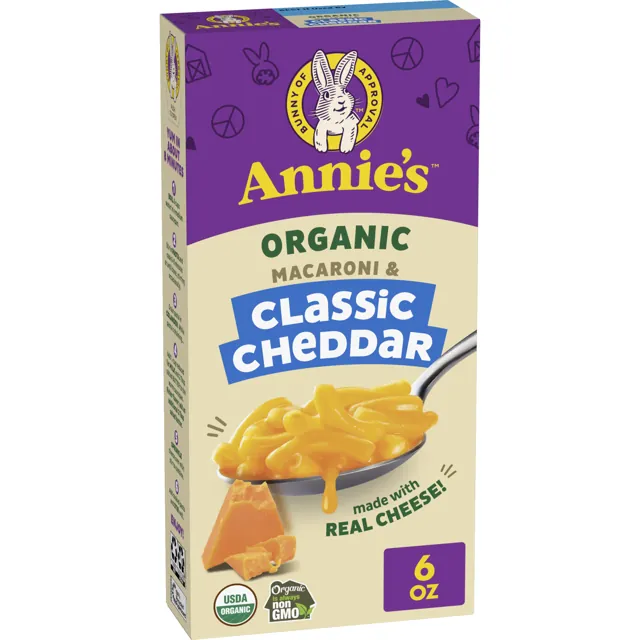 Annie'sOrganic Classic Cheddar Mac & Cheese
The short answer
Our picks for what is citric acid?
Top of the shelfEdward & Sons Native Forest Organic Mung Bean Sprouts, Pyure Organic Organic Liquid Stevia Sweetener – Vanilla, and Jovial Organic Fruit Spread Wild Berry each score 100/100. 10 products tie at 100; these 3 have the shortest labels. Use Compare by in the table to separate the rest.
Also strongWholesome Sweeteners Organic Pancake Syrup Lite (100), YumEarth Halloween Organic Lollipops (100), and Guayakí Organic Watermelody (100).
Clear noNone. Nothing scored here lists any of the nine groups we check, so there’s no additive to rule out.
Ranked from 10 of 10 products with current labels. Every product is in the table below; a score reflects labels and claims, not nutrition, allergies or safety.
Compare the recorded labels
Find the ingredients that matter to you.
“No …” columns: None found on the label · Listed on the label · Unknown. Diet fit: Fits · Doesn’t fit · Unknown (rules; not medical advice). Claims: verified · not established. Default: most check marks first; not a health score.
| Buy | ||||||||
|---|---|---|---|---|---|---|---|---|
| 100 / 1009 of 9 groups clear · organic | Find where to buy ↗Product details → | 5 | ||||||
Recorded ingredients Water, Organic Mung Bean Sprouts, Citric Acid. Label checked 2026-10-16 · US Ingredient evidence source ↗Sourcing claim evidence ↗ · reviewed 2026-10-16 Producer claims Organic The exact source catalog title states: “Native Forest® Organic Mung Bean Sprouts”. Source catalog claims are shown separately from ingredient checks. Producer claim source ↗Reviewed 2026-10-16 | ||||||||
| 100 / 1009 of 9 groups clear · organic | Find where to buy ↗Product details → | 5 | ||||||
Recorded ingredients Filtered water, organic cane sugar*, organic brewed yerba mate and hibiscus flower (water, organic yerba mate*, organic hibiscus flower), organic yerba mate extract*, organic watermelon juice concentrate, organic natural flavor, citric acid, organic strawberry juice concentrate, organic caffeine. 3% Juice. *Fair Trade Ingredient Label checked 2026-10-11 · US Ingredient evidence source ↗Sourcing claim evidence ↗ · reviewed 2026-10-11 Producer claims Organic The exact source catalog title states: “Organic Watermelody”. Source catalog claims are shown separately from ingredient checks. Producer claim source ↗Reviewed 2026-10-11 | ||||||||
| 100 / 1009 of 9 groups clear · organic | Find where to buy ↗Product details → | 5 | ||||||
Recorded ingredients Organic Wild Berries (Organic Blackberries, Organic Strawberries, Organic Bilberries, Organic Raspberries), Organic Apple Juice Concentrate, Natural Fruit Pectin, Ascorbic Acid, Citric Acid. Label checked 2026-10-16 · US Ingredient evidence source ↗Sourcing claim evidence ↗ · reviewed 2026-10-16 Producer claims Organic The exact source catalog title states: “Organic Fruit Spread Wild Berry”. Source catalog claims are shown separately from ingredient checks. Producer claim source ↗Reviewed 2026-10-16 | ||||||||
| 100 / 1009 of 9 groups clear · organic | Find where to buy ↗Product details → | 5 | ||||||
Recorded ingredients Filtered Water, Organic Blueberry Juice Concentrate, Organic Honey Powder (Organic Maltodextrin, Organic Honey), Organic Pear Juice Concentrate, Organic Pomegranate Juice Concentrate, Organic Elderberry Juice Concentrate, Organic Orange Juice Concentrate, Organic Matcha Green Tea Leaf Powder, Organic Caffeine, Citric Acid, Organic Yerba Mate Leaf Powder. Caffeine Content: 82mg per 240mL (8fl oz) Label checked 2026-10-11 · US Ingredient evidence source ↗Sourcing claim evidence ↗ · reviewed 2026-10-11 Producer claims Organic The exact source catalog title states: “Lakewood Nurture Berry Thunder | Organic Berry Juice with Matcha and Yerba Mate, 32oz Glass”. Source catalog claims are shown separately from ingredient checks. Producer claim source ↗Reviewed 2026-10-11 | ||||||||
| 100 / 1009 of 9 groups clear · organic | Buy on Amazon ↗Product details → | 5 | ||||||
Recorded ingredients Organic Milled Corn, Organic Avocado Oil, Organic Coconut Oil, Organic Raw Cane Sugar, Organic Tapioca Solids, Sea Salt, Organic Onion Powder, Organic Garlic Powder, Organic Spices, Citric Acid. Label checked 2026-10-04 · US Ingredient evidence source ↗Sourcing claim evidence ↗ · reviewed 2026-10-05 | ||||||||
| 100 / 1009 of 9 groups clear · organic | Buy on Amazon ↗Product details → | 5 | ||||||
Recorded ingredients Organic Tomato Puree (water, organic tomato paste), Organic Tomatoes In Juice, Organic Extra Virgin Olive Oil, Organic Sautéed Onion, Organic Carrot Puree, Organic Basil, Sea Salt, Organic Sautéed Garlic, Citric Acid, Organic Fennel, Organic Black Pepper, Calcium Chloride, Organic Oregano. Label checked 2026-10-05 · US Ingredient evidence source ↗Sourcing claim evidence ↗ · reviewed 2026-10-05 | ||||||||
| 100 / 1009 of 9 groups clear · organic | Find where to buy ↗Product details → | 5 | ||||||
Recorded ingredients Water, Organic Flavor (Organic Alcohol, Natural Flavor, Organic Vanilla Extract), Organic Stevia Leaf Extract, Citric Acid. Label checked 2026-10-11 · US Ingredient evidence source ↗Sourcing claim evidence ↗ · reviewed 2026-10-11 Producer claims Organic The exact source catalog title states: “Organic Liquid Stevia Sweetener - Vanilla”. Source catalog claims are shown separately from ingredient checks. Producer claim source ↗Reviewed 2026-10-11 | ||||||||
| 100 / 1009 of 9 groups clear · organic | Find where to buy ↗Product details → | 5 | ||||||
Recorded ingredients Organic Invert Sugar, Water, Organic Natural Flavor, Xanthan Gum, Organic Caramel Color, Salt, Citric Acid Label checked 2026-10-11 · US Ingredient evidence source ↗Sourcing claim evidence ↗ · reviewed 2026-10-11 Producer claims Organic The exact source catalog title states: “ORGANIC PANCAKE SYRUP LITE”. Source catalog claims are shown separately from ingredient checks. Producer claim source ↗Reviewed 2026-10-11 | ||||||||
| 100 / 1009 of 9 groups clear · organic not applicable | Buy on Amazon ↗Product details → | 4 | ||||||
Recorded ingredients Skipjack tuna (Katsuwonus pelamis), water, pickled cucumber (gherkins, water, vinegar, sugar, salt, herbs, spice), dill, sea salt, lemon juice concentrate, citric acid Label checked 2026-10-05 · US Ingredient evidence source ↗Producer claims Sourcing claim not reviewed The catalog establishes this product’s name and photograph. Sourcing claims and a complete ingredient label may still need review. Producer claim source ↗Reviewed | ||||||||
| 100 / 1009 of 9 groups clear · organic | Find where to buy ↗Product details → | 5 | ||||||
Recorded ingredients ORGANIC CANE SUGAR, ORGANIC BROWN RICE SYRUP, CITRIC ACID, ORGANIC NATURAL FLAVORS, ASCORBID ACID, COLORED WITH ORGANIC CONCENTRATE (CARROT, APPLE, BLACKCURRANT, RADISH), ORGANIC TURMERIC EXTRACT (COLOR). Label checked 2026-10-11 · US Ingredient evidence source ↗Sourcing claim evidence ↗ · reviewed 2026-10-11 Producer claims Organic The exact source catalog title states: “halloween organic lollipops 60ct”. Source catalog claims are shown separately from ingredient checks. Producer claim source ↗Reviewed 2026-10-11 | ||||||||
How the clean score works
No setup needed, and strict: a full 100 needs every additive group clear and a verified organic claim (animal foods also need a verified grass-fed or pasture-raised claim; wild seafood and salt, which have no USDA organic standard, are scored without the organic points, and plant-based milks, cheeses and proteins without the feeding claim). Points: the nine additive groups (seed oils, artificial dyes, MSG, artificial sweeteners, carrageenan, artificial preservatives, hydrogenated oils, corn syrups, banned-abroad additives) share 60 points equally — not found earns a group’s full share, “may contain” earns half, listed earns 0; a verified organic claim is worth 25; a verified grass-fed or pasture-raised claim is worth 15 and counts only for animal foods. No claim, or an expired or unverified claim, earns nothing, so products without those claims cannot reach 100. Unverified or expired ingredient labels receive no score. Equal scores are equal. Ties are ordered by brand. Unknown and stale evidence never passes “Only show matches.” Producer claims and prices do not affect this score. This is not a nutrition, allergy, or safety rating.
As an Amazon Associate I earn from qualifying purchases. Buying links do not influence ingredient results. “Buy on Amazon” opens a reviewed product listing; “Find where to buy” opens the maker’s page. Confirm the package, seller, stock, and current price before checkout. Price observations expire after 30 days.
Primary sources
Sources
- 21 CFR 184.1033: citric acid law.cornell.edu
- FDA: food additives and GRAS ingredients, information for consumers fda.gov