Storage guides · Product label guide
Can you freeze cheese? What USDA says about safety, texture and thawing, plus milk.
Updated
Frozen cheese is safe at 0 F; the change is texture. What USDA says about refreezing hard, soft and shredded cheese, freezing milk, safe thawing, and what the cheese labels in the catalog list.
Quick answer
Yes. Food held at 0 F stays safe indefinitely, according to FoodSafety.gov, so freezing cheese is a quality question, not a safety one. The change you notice is texture: FSIS explains that slow freezing forms large ice crystals that damage food. Hard cheeses hold up best; USDA guidance on refreezing says soft and semi-soft cheeses may lose some texture. Milk can be frozen too, with some loss of texture.
- Frozen at 0 F
- Safe indefinitely
- What changes
- Texture, not safety
- Cheese shelf in our catalog
- 175 current labels
- Milk shelf in our catalog
- 32 current labels
01 · A closer look
Is frozen cheese safe?
FoodSafety.gov says food held continuously at 0 F can be kept indefinitely, and that freezer storage guidelines are for quality only. FSIS adds that freezing stops microbes from growing but does not kill them all, so food thawed from the freezer is handled like fresh perishable food. For storage times of a specific cheese, the USDA FoodKeeper lists them by type; we do not repeat a number we could not verify.
FoodSafety.gov: cold food storage chart (refrigerator at 40 F, freezer at 0 F)02 · A closer look
What freezing does to texture.
FSIS explains that rapid freezing prevents large ice crystals from forming throughout food, while slow freezing creates large, disruptive ice crystals, and that emulsions such as cream can separate after thawing. That is why frozen cheese is best for melting, cooking and sauces, and why a block that was crumbly can turn more crumbly. Hard cheeses fare better than soft ones.
USDA FSIS: freezing and food safety03 · A closer look
Hard, soft and shredded cheese.
USDA’s guidance on foods that have thawed says hard cheeses such as cheddar, Swiss and Parmesan can be refrozen if they still have ice crystals or are cold, soft and semi-soft cheeses can be refrozen but may lose some texture, and shredded cheese should be refrozen only if it is still frozen. Cheese held above 40 F for more than 2 hours is a discard for soft cheeses.
FoodSafety.gov: refrigerated food and power outages04 · A closer look
Can you freeze milk?
Yes. In the same USDA guidance, thawed milk that still has ice crystals can be refrozen with some loss of texture, and milk held above 40 F for more than 2 hours should be discarded. Frozen and thawed milk may separate, so shake or stir it, and use it for cooking, baking or smoothies if the texture bothers you. The USDA FoodKeeper lists the freezer time for milk.
FoodSafety.gov: refrigerated food and power outages05 · A closer look
Thawing.
FSIS lists three safe ways to thaw: in the refrigerator, in cold water in a leak-proof bag with the water changed every 30 minutes, or in the microwave and then cooking or using it right away. Do not thaw on the counter.
USDA FSIS: the big thaw, safe defrosting methods06 · A closer look
What a date label means.
Date labels on most food are voluntary. USDA FSIS says that, except for infant formula, a date on a package is not required by federal law and is not a safety date. For meat, poultry and egg products FSIS describes “Best if Used By” as the date for best flavor or quality, not a purchase or safety date. Infant formula is the exception: the FDA requires a “Use by” date on its label.
USDA FSIS: food product datingFrom the catalog · 8 labels
Cheese in our catalog
Shredded cheese often lists an anti-caking ingredient, and a few cheeses list a mold inhibitor. Those additions are what a label can tell you before you freeze it. Of the 4,729 products whose full ingredient list we have read in the last 90 days, 175 sit on the cheese shelf and 145 of those have no additive group flagged by the checker. Open a product to see its full label and the date we read it.
| Labels | |
|---|---|
| Current labels on the cheese shelf | 175 |
| List cellulose, starch or another anti-caking ingredient | 18 (10.3%) |
| List natamycin (a mold inhibitor) | 12 (6.9%) |
| List potassium sorbate or sorbic acid | 40 (22.9%) |
| List carrageenan, guar or another gum | 26 (14.9%) |
| With any additive group flagged by the checker | 30 (17.1%) |
 Organic ValleyOrganic Grassmilk Raw Cheddar Cheese, Block
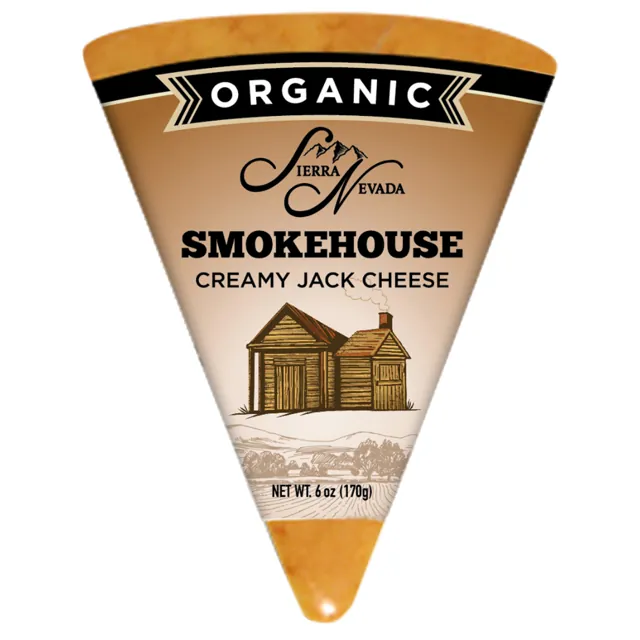 Sierra Nevada Cheese Co.Organic Smokehouse Jack
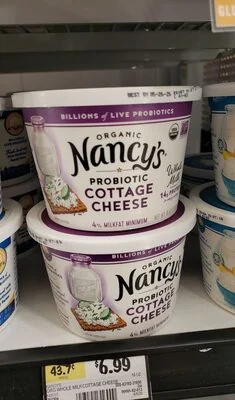 Nancy'sOrganic Probiotic Cottage Cheese
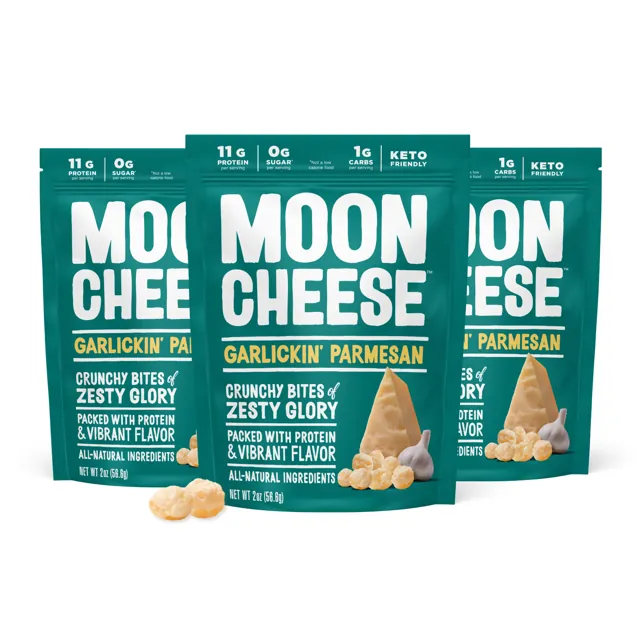 Moon CheeseGarlickin' Parmesan (Medium)
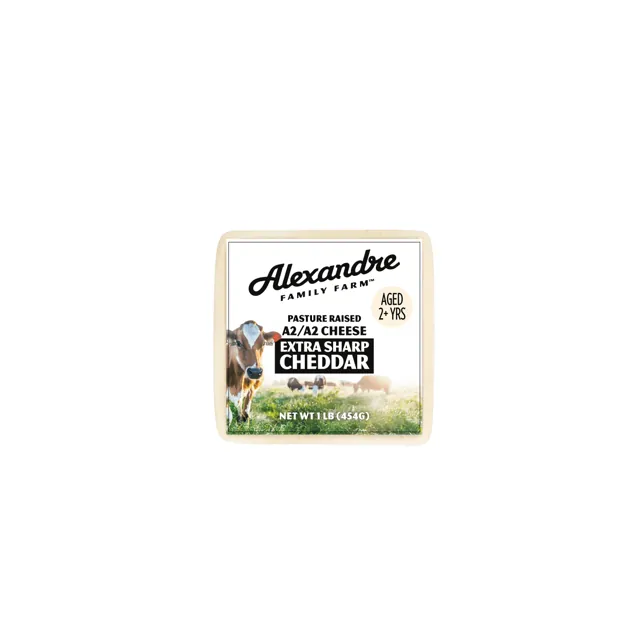 Alexandre Family FarmA2/A2 Aged Extra Sharp Cheddar
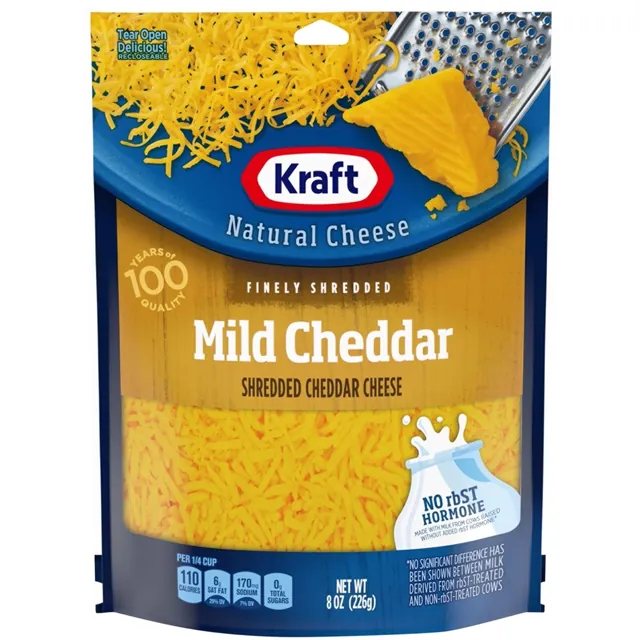 KraftFinely Shredded Cheddar Cheese, Mild
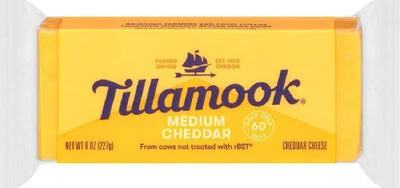 TillamookMedium Cheddar Cheese
 PhiladelphiaOriginal Cream Cheese
From the catalog · 4 labels
Milk in our catalog
A carton of milk lists milk and vitamins; flavored milk adds sugar and thickeners. Of the 4,729 products whose full ingredient list we have read in the last 90 days, 32 sit on the milk shelf and 29 of those have no additive group flagged by the checker. Open a product to see its full label and the date we read it.
| Labels | |
|---|---|
| Current labels on the milk shelf | 32 |
| List a gum or carrageenan | 7 (21.9%) |
| List added sugar or syrup | 7 (21.9%) |
| With any additive group flagged by the checker | 3 (9.4%) |
The short answer
Our picks for can you freeze cheese?
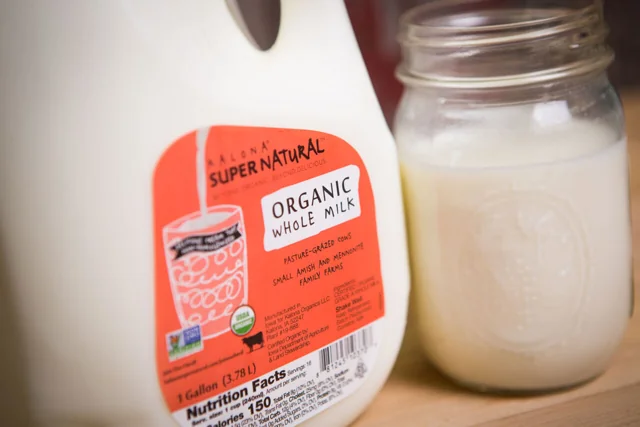
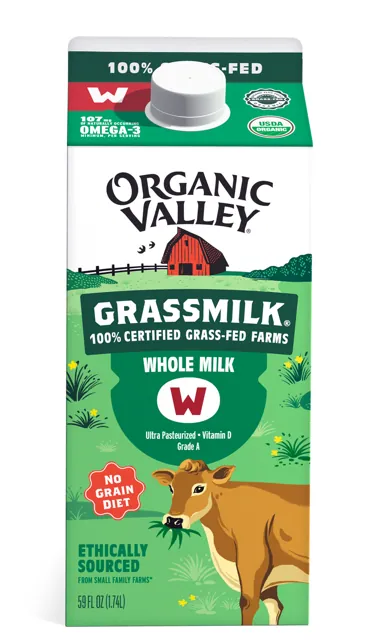
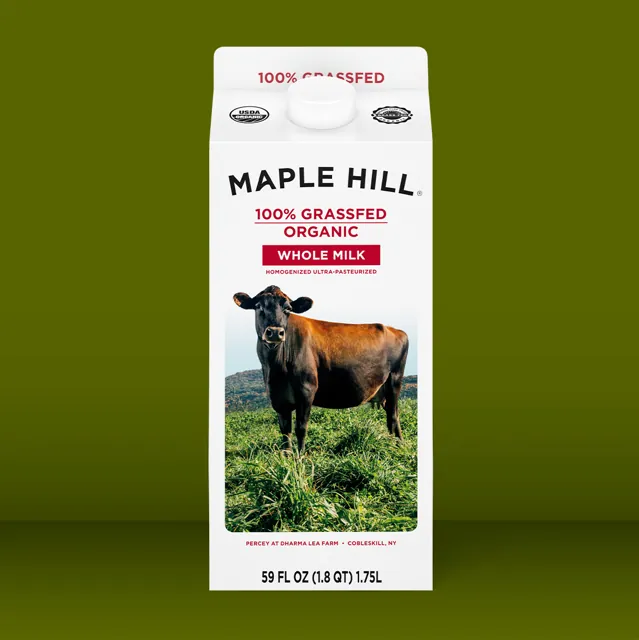
Top of the shelfKalona SuperNatural Organic Cream-Top Whole Milk, Maple Hill Grass-Fed Whole Milk, and Organic Valley Grassmilk Organic Whole Milk each score 100/100. 4 products tie at 100; these 3 have the shortest labels. Use Compare by in the table to separate the rest.
Also strongOrganic Valley Organic Grassmilk Raw Cheddar Cheese, Block (100), Sierra Nevada Cheese Co. Organic Smokehouse Jack (85), and Nancy's Organic Probiotic Cottage Cheese (85).
Clear noNone. Nothing scored here lists any of the nine groups we check, so there’s no additive to rule out.
Ranked from 11 of 11 products with current labels. Every product is in the table below; a score reflects labels and claims, not nutrition, allergies or safety.
Compare the recorded labels
Find the ingredients that matter to you.
“No …” columns: None found on the label · Listed on the label · Unknown. Diet fit: Fits · Doesn’t fit · Unknown (rules; not medical advice). Claims: verified · not established. Default: most check marks first; not a health score.
| Buy | ||||||||||
|---|---|---|---|---|---|---|---|---|---|---|
| 100 / 1009 of 9 groups clear · organic | Find where to buy ↗Product details → | 6 | ||||||||
Sourcing claim evidence ↗ · reviewed 2026-10-19 Producer claims Organic · Grass-fed The exact source catalog title states: “Organic Cream-Top Whole Milk”. Source catalog claims are shown separately from ingredient checks. Producer claim source ↗Reviewed 2026-10-19 | ||||||||||
| 100 / 1009 of 9 groups clear · organic | Find where to buy ↗Product details → | 7 | ||||||||
Recorded ingredients ORGANIC WHOLE MILK. Label checked 2026-10-17 · US Source: USDA FoodData Central ↗ · FDC ID 2664677 · data date 2023-11-16 · release 2026-04-30. Brand-submitted label record, public domain (CC0). Sourcing claim evidence ↗ · reviewed 2026-10-19 | ||||||||||
| 100 / 1009 of 9 groups clear · organic | Find where to buy ↗Product details → | 6 | ||||||||
Recorded ingredients ORGANIC GRADE A WHOLE MILK, VITAMIN D3 Label checked 2026-10-17 · US Source: USDA FoodData Central ↗ · FDC ID 2617052 · data date 2023-08-31 · release 2026-04-30. Brand-submitted label record, public domain (CC0). Sourcing claim evidence ↗ · reviewed 2026-10-19 | ||||||||||
| 100 / 1009 of 9 groups clear · organic | Find where to buy ↗Product details → | 6 | ||||||||
Recorded ingredients Organic Grass-Fed Cultured Milk, Sea Salt, Vegetarian Enzyme. Label checked 2026-10-16 · US Ingredient evidence source ↗Sourcing claim evidence ↗ · reviewed 2026-10-16 Producer claims Organic · Grass-fed The exact source catalog title states: “Organic Grassmilk ® Raw Cheddar Cheese, Block, 8 oz”. Source catalog claims are shown separately from ingredient checks. Producer claim source ↗Reviewed 2026-10-16 | ||||||||||
| 85 / 1009 of 9 groups clear · organic | Product details → | 5 | ||||||||
Recorded ingredients ORGANIC PASTEURIZED WHOLE MILK, ORGANIC PASTEURIZED CREAM, ORGANIC PASTEURIZED NONFAT MILK, SALT, 4 STRAINS OF LACTIC CULTURES, LIVE PROBIOTIC CULTURES: L. ACIDOPHILUS, BIFIDOBACTERIUM LACTIS. Label checked 2026-10-20 · US Source: USDA FoodData Central ↗ · FDC ID 1924072 · data date 2021-07-29 · release 2026-04-30. Brand-submitted label record, public domain (CC0). Sourcing claim evidence ↗ · reviewed 2026-10-20 | ||||||||||
| 85 / 1009 of 9 groups clear · organic | Find where to buy ↗Product details → | 5 | ||||||||
Recorded ingredients Organic Pasteurized Cultured Whole Milk, Sea Salt, Natural Smoke, Vegetarian Enzyme. Label checked 2026-10-16 · US Ingredient evidence source ↗Sourcing claim evidence ↗ · reviewed 2026-10-16 Producer claims Organic The exact source catalog title states: “Organic Smokehouse Jack”. Source catalog claims are shown separately from ingredient checks. Producer claim source ↗Reviewed 2026-10-16 | ||||||||||
| 60 / 1009 of 9 groups clear · no organic claim | Product details → | 4 | ||||||||
Recorded ingredients SHARP CHEDDAR CHEESE (PASTEURIZED MILK, CHEESE CULTURE, SALT, ENZYMES, ANNATTO COLOR), POTATO STARCH (ADDED TO PREVENT CAKING), NATAMYCIN (A NATURAL MOLD INHIBITOR). Label checked 2026-10-18 · US Source: USDA FoodData Central ↗ · FDC ID 2429357 · data date 2022-12-22 · release 2026-04-30. Brand-submitted label record, public domain (CC0). | ||||||||||
| 60 / 1009 of 9 groups clear · no organic claim | Find where to buy ↗Product details → | 4 | ||||||||
Recorded ingredients CHEDDAR CHEESE (PASTEURIZED MILK, CHEESE CULTURE, SALT, ENZYMES, ANNATTO [COLOR]), POTATO STARCH, CELLULOSE POWDER, AND CALCIUM SULFATE ADDED TO PREVENT CAKING NATAMYCIN (A NATURAL MOLD INHIBITOR) Label checked 2026-10-16 · US Source: USDA FoodData Central ↗ · FDC ID 2675971 · data date 2023-11-16 · release 2026-04-30. Brand-submitted label record, public domain (CC0). | ||||||||||
| 60 / 1009 of 9 groups clear · no organic claim | Find where to buy ↗Product details → | 4 | ||||||||
Recorded ingredients White Cheddar and Parmesan Cheese (Pasteurized Milk, Salt, Cheese Cultures, Enzymes), Garlic Powder. Label checked 2026-10-11 · US Ingredient evidence source ↗Producer claims Sourcing claim not reviewed The catalog establishes this product’s name and photograph. Sourcing claims and a complete ingredient label may still need review. Producer claim source ↗Reviewed | ||||||||||
| 60 / 1009 of 9 groups clear · no organic claim | Product details → | 4 | ||||||||
Recorded ingredients CHEDDAR CHEESE [PASTEURIZED MILK, PASTEURIZED CREAM, CHEESE CULTURE, SALT, ENZYMES, ANNATTO (VEGETABLE COLOR)], POTATO STARCH (TO PREVENT CAKING), POWDERED CELLULOSE (TO PREVENT CAKING), NATAMYCIN (A NATURAL MOLD INHIBITOR) Label checked 2026-10-16 · US Source: USDA FoodData Central ↗ · FDC ID 2596927 · data date 2023-07-13 · release 2026-04-30. Brand-submitted label record, public domain (CC0). | ||||||||||
| 60 / 1009 of 9 groups clear · no organic claim | Product details → | 4 | ||||||||
Recorded ingredients ORGANIC PARMESAN CHEESE (PASTEURIZED ORGANIC MILK, CHEESE CULTURES, SALT, ENZYMES), POWDERED CELLULOSE ADDED TO PREVENT CAKING. Label checked 2026-10-18 · US Source: USDA FoodData Central ↗ · FDC ID 2400320 · data date 2022-12-22 · release 2026-04-30. Brand-submitted label record, public domain (CC0). | ||||||||||
How the clean score works
No setup needed, and strict: a full 100 needs every additive group clear and a verified organic claim (animal foods also need a verified grass-fed or pasture-raised claim; wild seafood and salt, which have no USDA organic standard, are scored without the organic points, and plant-based milks, cheeses and proteins without the feeding claim). Points: the nine additive groups (seed oils, artificial dyes, MSG, artificial sweeteners, carrageenan, artificial preservatives, hydrogenated oils, corn syrups, banned-abroad additives) share 60 points equally — not found earns a group’s full share, “may contain” earns half, listed earns 0; a verified organic claim is worth 25; a verified grass-fed or pasture-raised claim is worth 15 and counts only for animal foods. No claim, or an expired or unverified claim, earns nothing, so products without those claims cannot reach 100. Unverified or expired ingredient labels receive no score. Equal scores are equal. Ties are ordered by brand. Unknown and stale evidence never passes “Only show matches.” Producer claims and prices do not affect this score. This is not a nutrition, allergy, or safety rating.
As an Amazon Associate I earn from qualifying purchases. Buying links do not influence ingredient results. “Buy on Amazon” opens a reviewed product listing; “Find where to buy” opens the maker’s page. Confirm the package, seller, stock, and current price before checkout. Price observations expire after 30 days.
Primary sources
Sources
- FoodSafety.gov: cold food storage chart (refrigerator at 40 F, freezer at 0 F) foodsafety.gov
- USDA FSIS: freezing and food safety fsis.usda.gov
- USDA FSIS: the big thaw, safe defrosting methods fsis.usda.gov
- FoodSafety.gov: refrigerated food and power outages foodsafety.gov
- USDA FSIS: food product dating fsis.usda.gov
- USDA and FoodSafety.gov: FoodKeeper (storage times for pantry, refrigerator and freezer) foodsafety.gov
Watch
The video about this page
