Storage guides · Product label guide
Does honey go bad? What labels show, and why honey is never for babies under 12 months.
Updated
Where to find honey storage times, what the ingredient list tells you about flavored and infused honey, and the CDC rule: no honey for children under 12 months.
Quick answer
For the exact pantry time of honey, use the USDA FoodKeeper entry; we do not repeat a number we could not confirm on a USDA page. What a label can show is whether a jar is only honey or honey with added ingredients, and what it cannot show is age: the CDC says not to give honey to children younger than 12 months because of infant botulism.
- Storage times
- See the USDA FoodKeeper
- Infants
- No honey under 12 months (CDC)
- Honey shelf in our catalog
- 33 current labels
- Honey only on the label
- 22 labels list a single ingredient
01 · A closer look
Where to find the storage time.
USDA’s FoodKeeper lists storage times for honey and thousands of other foods. We link to it instead of quoting a figure here, because the entry can change and we could only confirm USDA’s numbers for the foods named on our other storage pages. FoodKeeper figures are guidelines for quality, not hard limits.
USDA and FoodSafety.gov: FoodKeeper (storage times for pantry, refrigerator and freezer)02 · A closer look
What changes on a label.
Plain honey lists one ingredient: honey. Blends add ingredients such as vanilla extract, royal jelly or pollen, and honey hot sauces add peppers, vinegar, water and gums. Once other ingredients are in the jar, treat the jar like those ingredients: read its label and the FoodKeeper entry for the added item. The table below counts how many honey-shelf labels are single-ingredient.
03 · A closer look
No honey under 12 months.
The CDC says not to give honey to children younger than 12 months, because it can contain the bacteria that cause infant botulism. This applies to honey added to food, water, formula or a pacifier. It is a rule about the age of the child, not about whether a jar has gone bad.
CDC: foods and drinks to avoid or limit (honey and children under 12 months)04 · A closer look
What a date label means.
Date labels on most food are voluntary. USDA FSIS says that, except for infant formula, a date on a package is not required by federal law and is not a safety date. For meat, poultry and egg products FSIS describes “Best if Used By” as the date for best flavor or quality, not a purchase or safety date. Infant formula is the exception: the FDA requires a “Use by” date on its label.
USDA FSIS: food product dating05 · A closer look
How our checker treats honey.
Honey is not an additive group, so a jar of only honey is not flagged. Flagged items come from other ingredients on the label, such as a preservative or a seed oil in a honey-based product. The score is a label score, not a health rating.
From the catalog · 8 labels
Honey in our catalog
A jar labeled honey can be one ingredient or a blend with extracts, spices, peppers or vinegar, and the added ingredients are what change how it is stored. Of the 4,729 products whose full ingredient list we have read in the last 90 days, 33 sit on the honey shelf and 33 of those have no additive group flagged by the checker. Open a product to see its full label and the date we read it.
| Labels | |
|---|---|
| Current labels on the honey shelf | 33 |
| List a single ingredient | 22 (66.7%) |
| List sugar or syrup in addition to honey | 2 (6.1%) |
| List a preservative (sorbate or benzoate) | 0 (0.0%) |
| List vinegar (honey hot sauces) | 2 (6.1%) |
| With any additive group flagged by the checker | 0 (0.0%) |
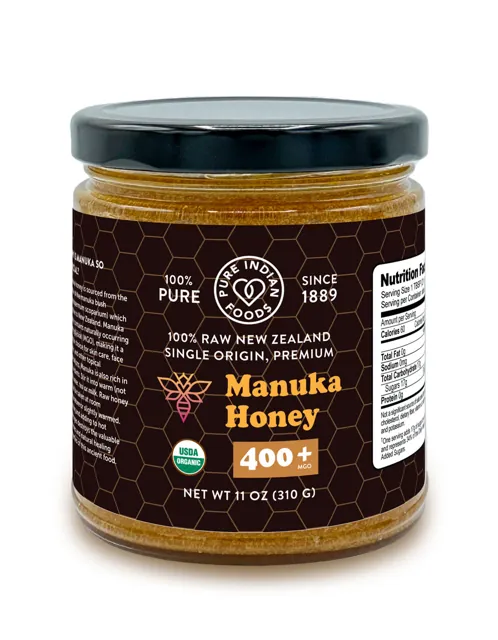 Pure Indian FoodsManuka Honey, Certified Organic, 400+ MGO – Black Label
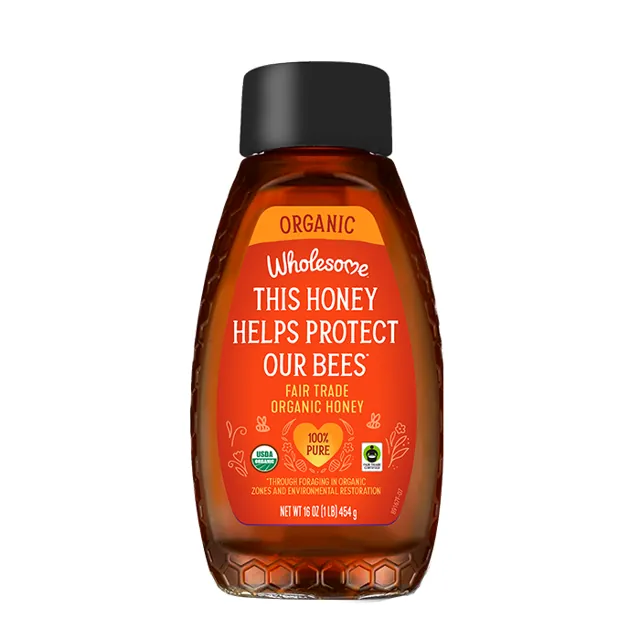 Wholesome SweetenersOrganic Fair Trade Honey
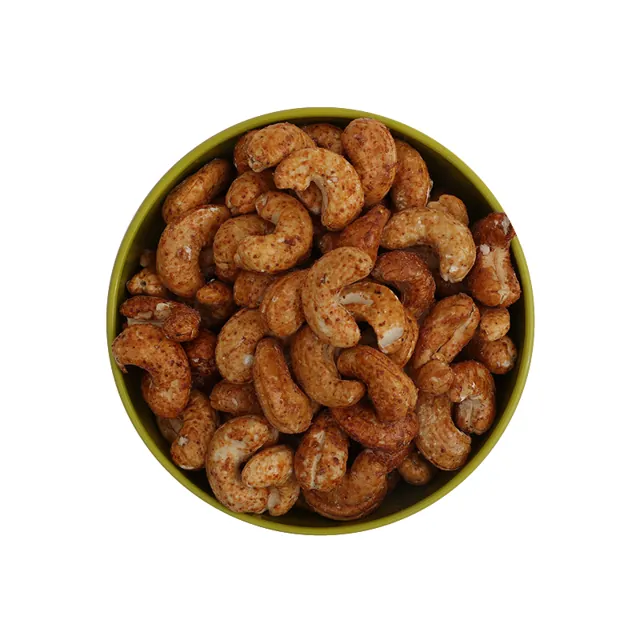 Tierra FarmOrganic Roasted Honey Sriracha Cashews
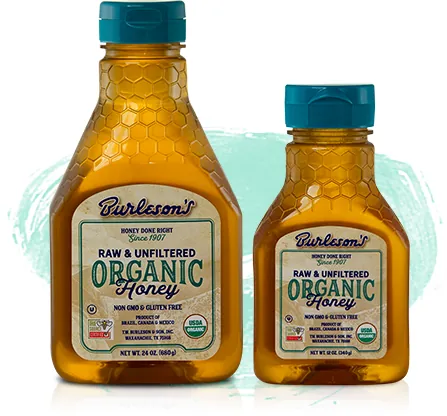 Burleson'sRaw & Unfiltered Organic Honey
 Savannah Bee CompanyWinter White Honey
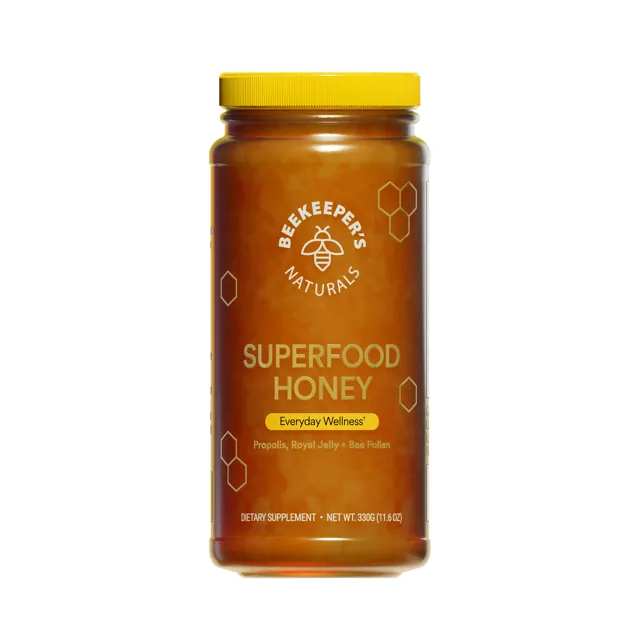 Beekeeper's NaturalsSuperfood Honey
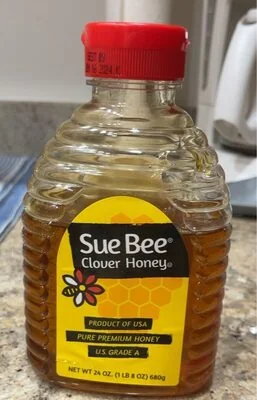 Sue BeeClover Honey
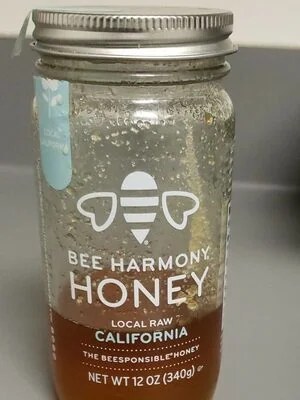 Bee HarmonyHoney
The short answer
Our picks for does honey go bad?
Top of the shelfBurleson's Raw & Unfiltered Organic Honey, Pure Indian Foods Manuka Honey, Certified Organic, 400+ MGO – Black Label, and Wholesome Sweeteners Organic Fair Trade Honey each score 100/100. 4 products tie at 100; these 3 have the shortest labels. Use Compare by in the table to separate the rest.
Also strongTierra Farm Organic Roasted Honey Sriracha Cashews (100), Bee Harmony Honey (71), and Sue Bee Clover Honey (71).
Clear noNone. Nothing scored here lists any of the nine groups we check, so there’s no additive to rule out.
Ranked from 8 of 8 products with current labels. Every product is in the table below; a score reflects labels and claims, not nutrition, allergies or safety.
Compare the recorded labels
Find the ingredients that matter to you.
“No …” columns: None found on the label · Listed on the label · Unknown. Diet fit: Fits · Doesn’t fit · Unknown (rules; not medical advice). Claims: verified · not established. Default: most check marks first; not a health score.
| Buy | ||||||||
|---|---|---|---|---|---|---|---|---|
| 100 / 1009 of 9 groups clear · organic | Find where to buy ↗Product details → | 5 | ||||||
Recorded ingredients ORGANIC HONEY. Label checked 2026-10-16 · US Source: USDA FoodData Central ↗ · FDC ID 2060116 · data date 2021-10-28 · release 2026-04-30. Brand-submitted label record, public domain (CC0). Sourcing claim evidence ↗ · reviewed 2026-10-16 | ||||||||
| 100 / 1009 of 9 groups clear · organic | Find where to buy ↗Product details → | 5 | ||||||
Sourcing claim evidence ↗ · reviewed 2026-10-11 Producer claims Organic The exact source catalog title states: “Manuka Honey, Certified Organic, 400+ MGO - Black Label”. Source catalog claims are shown separately from ingredient checks. Producer claim source ↗Reviewed 2026-10-11 | ||||||||
| 100 / 1009 of 9 groups clear · organic | Find where to buy ↗Product details → | 5 | ||||||
Recorded ingredients Dry Roasted Fair Trade Organic Cashews, Organic Honey, Organic Garlic Powder, Organic Cajun Powder (Organic Cayenne, Organic Chili Powder), Sea Salt. Label checked 2026-10-16 · US Ingredient evidence source ↗Sourcing claim evidence ↗ · reviewed 2026-10-16 Producer claims Organic The exact source catalog title states: “Organic <br> Roasted Honey Sriracha Cashews”. Source catalog claims are shown separately from ingredient checks. Producer claim source ↗Reviewed 2026-10-16 | ||||||||
| 100 / 1009 of 9 groups clear · organic | Find where to buy ↗Product details → | 5 | ||||||
Recorded ingredients Organic Honey, PRODUCT DESCRIPTION Label checked 2026-10-16 · US Ingredient evidence source ↗Sourcing claim evidence ↗ · reviewed 2026-10-16 Producer claims Organic The exact source catalog title states: “ORGANIC FAIR TRADE HONEY”. Source catalog claims are shown separately from ingredient checks. Producer claim source ↗Reviewed 2026-10-16 | ||||||||
| 71 / 1009 of 9 groups clear · no organic claim | Product details → | 4 | ||||||
Recorded ingredients RAW HONEY. Label checked 2026-10-16 · US Source: USDA FoodData Central ↗ · FDC ID 2315023 · data date 2022-05-23 · release 2026-04-30. Brand-submitted label record, public domain (CC0). | ||||||||
| 71 / 1009 of 9 groups clear · no organic claim | Find where to buy ↗Product details → | 4 | ||||||
Recorded ingredients Raw enzymatic honey, royal jelly, raw bee pollen, bee propolis extract Label checked 2026-10-11 · US Ingredient evidence source ↗Producer claims Sourcing claim not reviewed The catalog establishes this product’s name and photograph. Sourcing claims and a complete ingredient label may still need review. Producer claim source ↗Reviewed | ||||||||
| 71 / 1009 of 9 groups clear · no organic claim | Buy on Amazon ↗Product details → | 4 | ||||||
Recorded ingredients Pure Honeybee Honey, Link, Close share, Copy link, Overall rating: 4.939183 / 5 from 1151 reviews., AI Generated Review Summary Label checked 2026-10-16 · US Ingredient evidence source ↗Producer claims Sourcing claim not reviewed The catalog establishes this product’s name and photograph. Sourcing claims and a complete ingredient label may still need review. Producer claim source ↗Reviewed | ||||||||
| 71 / 1009 of 9 groups clear · no organic claim | Product details → | 4 | ||||||
Recorded ingredients FILTERED HONEY Label checked 2026-10-16 · US Source: USDA FoodData Central ↗ · FDC ID 2572234 · data date 2023-06-29 · release 2026-04-30. Brand-submitted label record, public domain (CC0). | ||||||||
How the clean score works
No setup needed, and strict: a full 100 needs every additive group clear and a verified organic claim (animal foods also need a verified grass-fed or pasture-raised claim; wild seafood and salt, which have no USDA organic standard, are scored without the organic points, and plant-based milks, cheeses and proteins without the feeding claim). Points: the nine additive groups (seed oils, artificial dyes, MSG, artificial sweeteners, carrageenan, artificial preservatives, hydrogenated oils, corn syrups, banned-abroad additives) share 60 points equally — not found earns a group’s full share, “may contain” earns half, listed earns 0; a verified organic claim is worth 25; a verified grass-fed or pasture-raised claim is worth 15 and counts only for animal foods. No claim, or an expired or unverified claim, earns nothing, so products without those claims cannot reach 100. Unverified or expired ingredient labels receive no score. Equal scores are equal. Ties are ordered by brand. Unknown and stale evidence never passes “Only show matches.” Producer claims and prices do not affect this score. This is not a nutrition, allergy, or safety rating.
As an Amazon Associate I earn from qualifying purchases. Buying links do not influence ingredient results. “Buy on Amazon” opens a reviewed product listing; “Find where to buy” opens the maker’s page. Confirm the package, seller, stock, and current price before checkout. Price observations expire after 30 days.
Primary sources
Sources
Watch
The video about this page
