Additive guides · Product label guide
How to read a food label in five steps, shown on four real labels, then checked.
Updated
A five-step method for reading a food label: serving size, added sugars, sodium, the 5 and 20 percent rule and ingredient order, shown on four real catalog labels, then run through the checker.
Quick answer
Read a label in five steps. One, check the serving size and how many servings are in the package. Two, read Added Sugars. Three, read sodium. Four, use the 5 and 20 rule: 5 percent Daily Value or less is low, 20 percent or more is high. Five, read the ingredient list in order, because the first items weigh the most. Our checker covers step five for you.
- Rule of thumb
- 5% DV low, 20% DV high
- Ingredient order
- Most to least by weight
- Sources
- FDA; 21 CFR 101.4, 101.9
01 · A closer look
Step 1: serving size and servings per container.
Every number on the panel is per serving, not per package. If a bag holds three servings and you eat all of it, multiply calories, sugar and sodium by three. The serving size is the first thing to check, and it is also what the %DV figures are based on.
FDA: how to understand and use the Nutrition Facts label02 · A closer look
Step 2: added sugars.
Total Sugars includes sugar that naturally occurs, such as lactose in milk. Added Sugars is the part the maker put in. The Daily Value for added sugars is 50 grams a day, and the line is under Total Sugars on the panel. Ingredient names for added sugar include sugar, cane syrup, corn syrup, honey, dextrose and fruit juice concentrate.
FDA: added sugars on the Nutrition Facts label03 · A closer look
Step 3: sodium.
The Daily Value for sodium is 2,300 milligrams, and the line gives milligrams and %DV per serving. Soups, deli meat, sauces and snacks can reach a quarter of a day’s sodium in one serving, so compare brands of the same food.
FDA: the lows and highs of percent Daily Value on the Nutrition Facts label04 · A closer look
Step 4: the 5 and 20 rule.
Percent Daily Value shows how much of a day’s amount of a nutrient one serving provides. The FDA’s general guide is that 5 percent or less is low and 20 percent or more is high. Choose low for sodium, saturated fat and added sugars, and high for fiber, calcium and iron.
FDA: the lows and highs of percent Daily Value on the Nutrition Facts label05 · A closer look
Step 5: the ingredient list.
Ingredients are listed from the most to the least by weight, so the first three tell you most of what the food is. A long list with several additives is a different product from a short list of foods. This is where our checker works: it reads the full list for nine groups and shows what it found. The rules for the list and the panel are 21 CFR 101.4 and 101.9.
21 CFR 101.4: food; designation of ingredients06 · A closer look
Then check it.
Paste any label into the checker on cleanfoodscore.com and it will flag the groups you choose to avoid, free. It reads ingredients, so it is the fifth step, not a replacement for the other four.
21 CFR 101.9: nutrition labeling of foodFrom the catalog · 4 labels
Four real labels, read in five steps
These four catalog products have a recorded Nutrition Facts panel. The columns follow the steps: serving size, added sugars, sodium and the first ingredient. Open each to see its full label and the date we read it.
| Product | Serving size | Added sugars | Sodium | First ingredient |
|---|---|---|---|---|
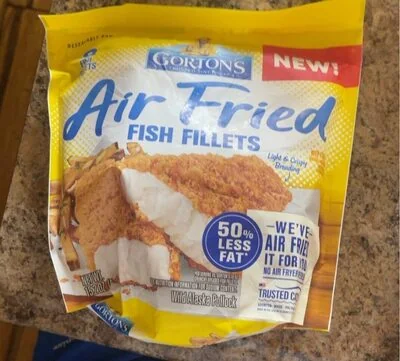
| Gorton's Air Fried Fish Fillets | 110 g (2 fillets) | 1 g | 520 mg | ALASKA POLLOCK FILLETS |
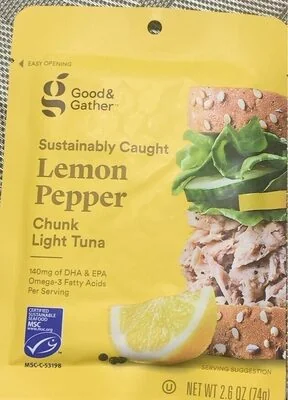
| Good & Gather Lemon Pepper Chunk Light Tuna | 70 g (1 pouch drained) | 1 g | 300 mg | TUNA |
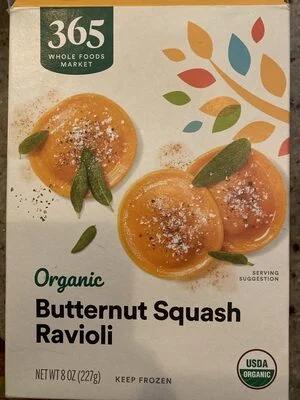
| 365 by Whole Foods Market Butternut Squash Organic Ravioli | 114 g (0.5 package) | 5 g | 210 mg | ORGANIC FILLING: ORGANIC BUTTERNUT SQUASH |
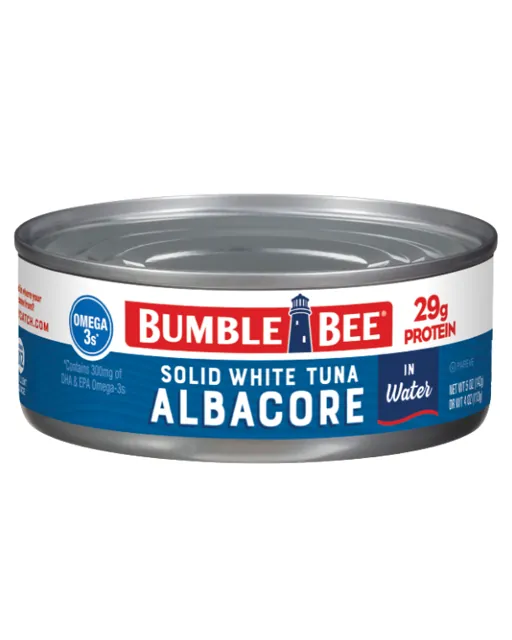
| Bumble Bee Solid White Albacore Water Tuna | 85 g (1/3 cup drained (85g)) | 0 g | 210 mg | WHITE TUNA |
The short answer
Our picks for how to read food labels
Top of the shelfCarolina Organic White Rice, Lundberg Organic Wild Rice, and Bush's Pinto Organic Beans each score 100/100. 8 products tie at 100; these 3 have the shortest labels. Use Compare by in the table to separate the rest.
Also strongKing Oscar Water Sardines (100), Safe Catch Wild Albacore Tuna (100), and Chicken of the Sea Sardines in Water (100).
Clear noNone. Nothing scored here lists any of the nine groups we check, so there’s no additive to rule out.
Ranked from 8 of 8 products with current labels. Every product is in the table below; a score reflects labels and claims, not nutrition, allergies or safety.
Compare the recorded labels
Find the ingredients that matter to you.
“No …” columns: None found on the label · Listed on the label · Unknown. Diet fit: Fits · Doesn’t fit · Unknown (rules; not medical advice). Claims: verified · not established. Default: most check marks first; not a health score.
| Buy | ||||||||
|---|---|---|---|---|---|---|---|---|
| 100 / 1009 of 9 groups clear · organic not applicable | Product details → | 4 | ||||||
Recorded ingredients LIGHT TUNA, WATER, VEGETABLE BROTH, SEA SALT. Label checked 2026-10-16 · US Source: USDA FoodData Central ↗ · FDC ID 2463560 · data date 2023-02-16 · release 2026-04-30. Brand-submitted label record, public domain (CC0). | ||||||||
| 100 / 1009 of 9 groups clear · organic | Find where to buy ↗Product details → | 5 | ||||||
Recorded ingredients PREPARED ORGANIC PINTO BEANS, WATER, SEA SALT, CALCIUM CHLORIDE (FIRMING AGENT). Label checked 2026-10-16 · US Source: USDA FoodData Central ↗ · FDC ID 2498207 · data date 2023-03-16 · release 2026-04-30. Brand-submitted label record, public domain (CC0). Sourcing claim evidence ↗ · reviewed 2026-10-16 | ||||||||
| 100 / 1009 of 9 groups clear · organic | Find where to buy ↗Product details → | 5 | ||||||
Recorded ingredients ORGANIC LONG GRAIN WHITE RICE Label checked 2026-10-16 · US Source: USDA FoodData Central ↗ · FDC ID 2594586 · data date 2023-07-13 · release 2026-04-30. Brand-submitted label record, public domain (CC0). Sourcing claim evidence ↗ · reviewed 2026-10-16 | ||||||||
| 100 / 1009 of 9 groups clear · organic not applicable | Find where to buy ↗Product details → | 4 | ||||||
Recorded ingredients SARDINES, WATER, SALT. Label checked 2026-10-16 · US Source: USDA FoodData Central ↗ · FDC ID 2404779 · data date 2022-12-22 · release 2026-04-30. Brand-submitted label record, public domain (CC0). | ||||||||
| 100 / 1009 of 9 groups clear · organic not applicable | Product details → | 4 | ||||||
Recorded ingredients LIGHTLY SMOKED BRISLING SARDINES, WATER Label checked 2026-10-16 · US Source: USDA FoodData Central ↗ · FDC ID 2615146 · data date 2023-08-31 · release 2026-04-30. Brand-submitted label record, public domain (CC0). | ||||||||
| 100 / 1009 of 9 groups clear · organic | Product details → | 5 | ||||||
Recorded ingredients ORGANIC WILD RICE Label checked 2026-10-16 · US Source: USDA FoodData Central ↗ · FDC ID 2623495 · data date 2023-08-31 · release 2026-04-30. Brand-submitted label record, public domain (CC0). Sourcing claim evidence ↗ · reviewed 2026-10-16 | ||||||||
| 100 / 1009 of 9 groups clear · organic not applicable | Product details → | 4 | ||||||
Recorded ingredients ALBACORE TUNA (THUNNUS ALALUNGA), SALT. Label checked 2026-10-16 · US Source: USDA FoodData Central ↗ · FDC ID 2392221 · data date 2022-12-22 · release 2026-04-30. Brand-submitted label record, public domain (CC0). | ||||||||
| 100 / 1009 of 9 groups clear · organic not applicable | Product details → | 4 | ||||||
Recorded ingredients WHITE TUNA, WATER, VEGETABLE BROTH. Label checked 2026-10-16 · US Source: USDA FoodData Central ↗ · FDC ID 2289037 · data date 2022-05-23 · release 2026-04-30. Brand-submitted label record, public domain (CC0). | ||||||||
How the clean score works
No setup needed, and strict: a full 100 needs every additive group clear and a verified organic claim (animal foods also need a verified grass-fed or pasture-raised claim; wild seafood and salt, which have no USDA organic standard, are scored without the organic points, and plant-based milks, cheeses and proteins without the feeding claim). Points: the nine additive groups (seed oils, artificial dyes, MSG, artificial sweeteners, carrageenan, artificial preservatives, hydrogenated oils, corn syrups, banned-abroad additives) share 60 points equally — not found earns a group’s full share, “may contain” earns half, listed earns 0; a verified organic claim is worth 25; a verified grass-fed or pasture-raised claim is worth 15 and counts only for animal foods. No claim, or an expired or unverified claim, earns nothing, so products without those claims cannot reach 100. Unverified or expired ingredient labels receive no score. Equal scores are equal. Ties are ordered by brand. Unknown and stale evidence never passes “Only show matches.” Producer claims and prices do not affect this score. This is not a nutrition, allergy, or safety rating.
As an Amazon Associate I earn from qualifying purchases. Buying links do not influence ingredient results. “Buy on Amazon” opens a reviewed product listing; “Find where to buy” opens the maker’s page. Confirm the package, seller, stock, and current price before checkout. Price observations expire after 30 days.
Primary sources
Sources
- FDA: how to understand and use the Nutrition Facts label fda.gov
- FDA: the lows and highs of percent Daily Value on the Nutrition Facts label fda.gov
- FDA: added sugars on the Nutrition Facts label fda.gov
- 21 CFR 101.4: food; designation of ingredients law.cornell.edu
- 21 CFR 101.9: nutrition labeling of food law.cornell.edu