Additive guides · Product label guide
What does organic mean on a label? The three USDA tiers and how our score uses them.
Updated
The three USDA organic label tiers, what the organic seal requires, how organic counts for 25 of the 100 points in our score, and how store-brand organic lines score against conventional versions.
Quick answer
USDA organic labeling has three main tiers: 100 percent organic, organic (at least 95 percent organic ingredients), and made with organic ingredients (at least 70 percent). The seal may be used on the first two. In our score, a verified current organic claim earns 25 of the 100 points, and organic is not a safety claim or a promise about nutrition.
- 100% organic
- All organic ingredients
- Organic
- 95% or more organic
- Made with organic
- 70% or more, no seal
- Our score
- 25 of 100 points
01 · A closer look
The three tiers.
The USDA National Organic Program sets the tiers by the share of organic ingredients, counted by weight and leaving out water and salt. “100 percent organic” means every ingredient is organic. “Organic” means at least 95 percent. “Made with organic ingredients” means at least 70 percent, and the label may name up to three organic ingredients. Below 70 percent, a product can only point out organic ingredients in its ingredient list.
7 CFR 205.301: product composition (National Organic Program)02 · A closer look
The seal.
The USDA organic seal may appear on 100 percent organic and organic products, and it may not appear on “made with organic” products. A seal tells you about how ingredients were produced and handled under USDA rules. It is not a statement about nutrition, and organic foods can still be high in sugar, salt or fat.
USDA AMS: labeling organic products03 · A closer look
How our score uses organic.
Our 0 to 100 score has three parts: 60 points for additive groups the label does not list, 25 points for a verified, current organic claim, and 15 points for a sourcing claim on animal foods such as grass-fed. Organic is therefore worth a quarter of the score, and a product with a flagged additive can still earn the organic points. Organic does not apply to salt and wild seafood, which have no USDA organic standard, so those shelves are scored out of the remaining points.
04 · A closer look
Store-brand organic lines.
Large chains sell organic lines under their own names, such as Simple Truth Organic, O Organics and Good & Gather. We use only the USDA FoodData Central record for these, so the ingredient list is the one the maker reported to the USDA. The table on this page shows how many we have and their average scores, next to organic and conventional averages on shelves with enough of both.
From the catalog · 10 labels
Organic in our catalog
Of the 4,591 current labels that can carry a USDA organic claim (salt and wild seafood cannot), 1,006 have a verified current organic claim. Below are organic products that score well, one per brand.
| Labels | |
|---|---|
| Current labels that can carry an organic claim | 4,591 |
| With a verified current organic claim | 1,006 (21.9%) |
| Average score with the claim (includes the 25 organic points) | 99 |
| Average score without the claim | 66 |
| Nuts & seeds shelf: average score, organic vs not | 100 vs 67 (58 and 78 labels) |
| Spices & seasonings shelf: average score, organic vs not | 100 vs 70 (56 and 77 labels) |
| Dried fruit shelf: average score, organic vs not | 98 vs 69 (46 and 48 labels) |
| Chocolate shelf: average score, organic vs not | 100 vs 69 (44 and 80 labels) |
| Pasta shelf: average score, organic vs not | 100 vs 71 (40 and 62 labels) |
| Simple Truth Organic USDA records on current labels | 17 (average score 68) |
| O Organics USDA records on current labels | 44 (average score 85) |
| Good & Gather USDA records on current labels | 50 (average score 69) |
 LesserEvilIntergalactic Onion Moonions
 Organic ValleyOrganic Salted Butter
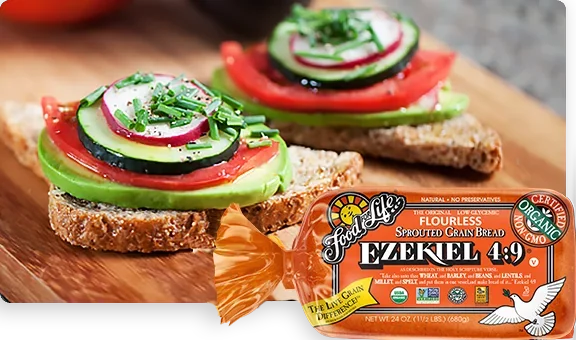 Food for LifeEzekiel 4:9 Original Sprouted Whole Grain Bread
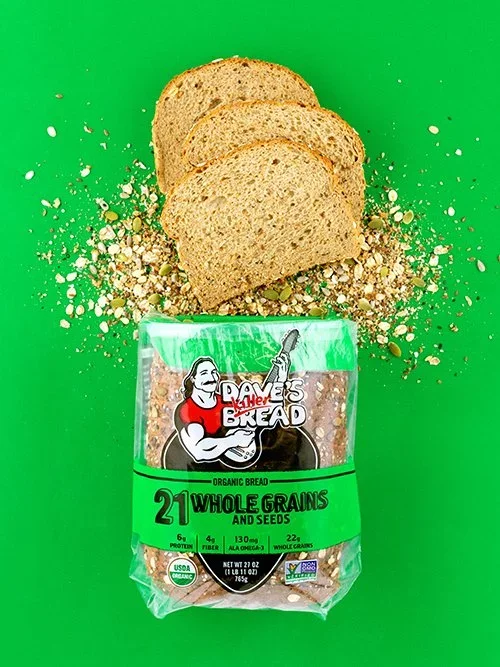 Dave's Killer Bread21 Whole Grains and Seeds
 SeaSnaxOrganic Classic Seaweed Sheets
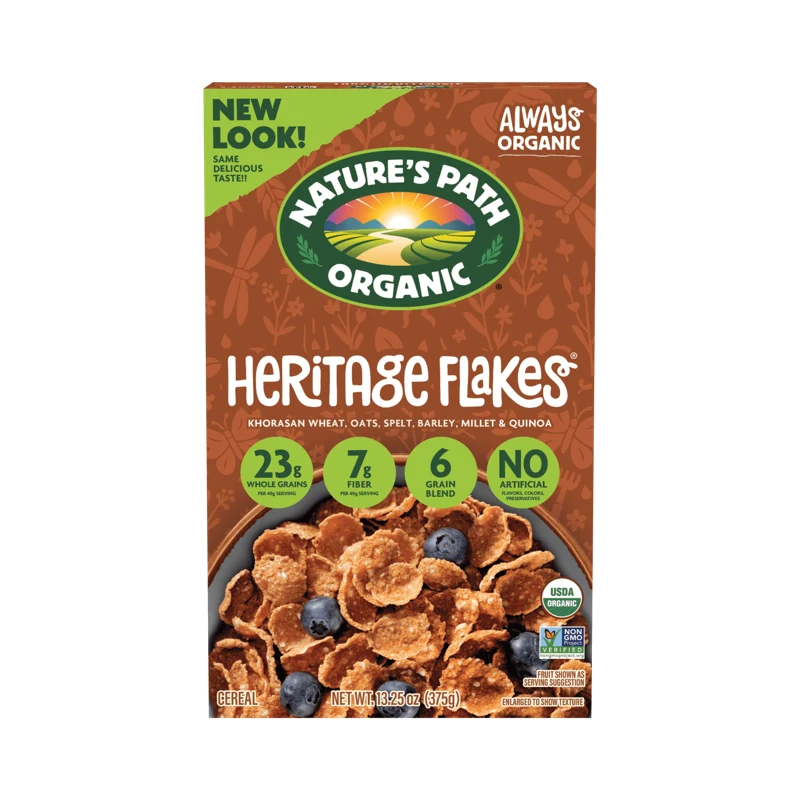 Nature’s PathOrganic Heritage Flakes
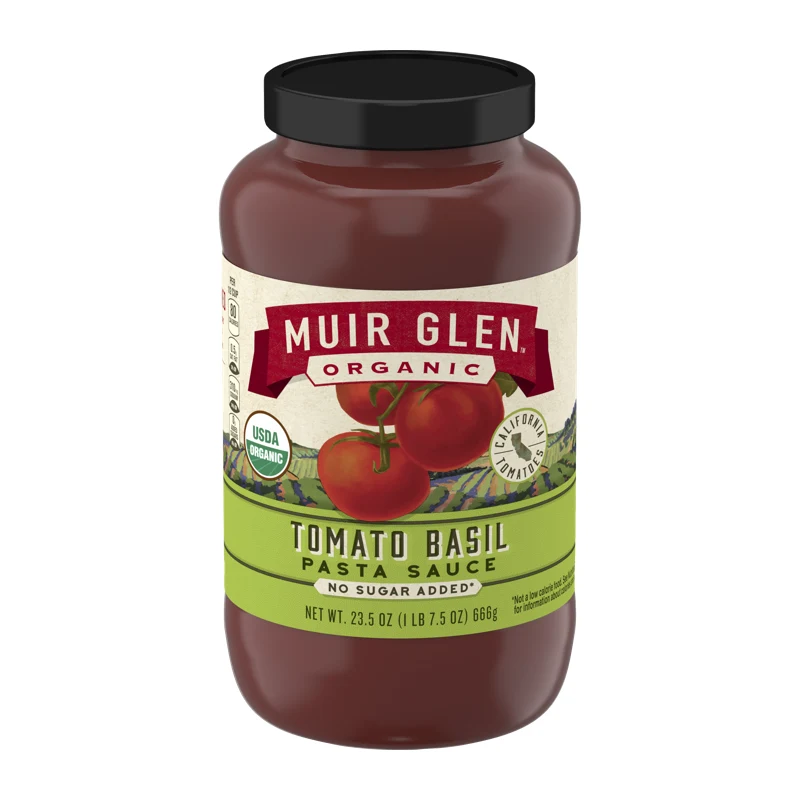 Muir GlenOrganic Tomato Basil Pasta Sauce
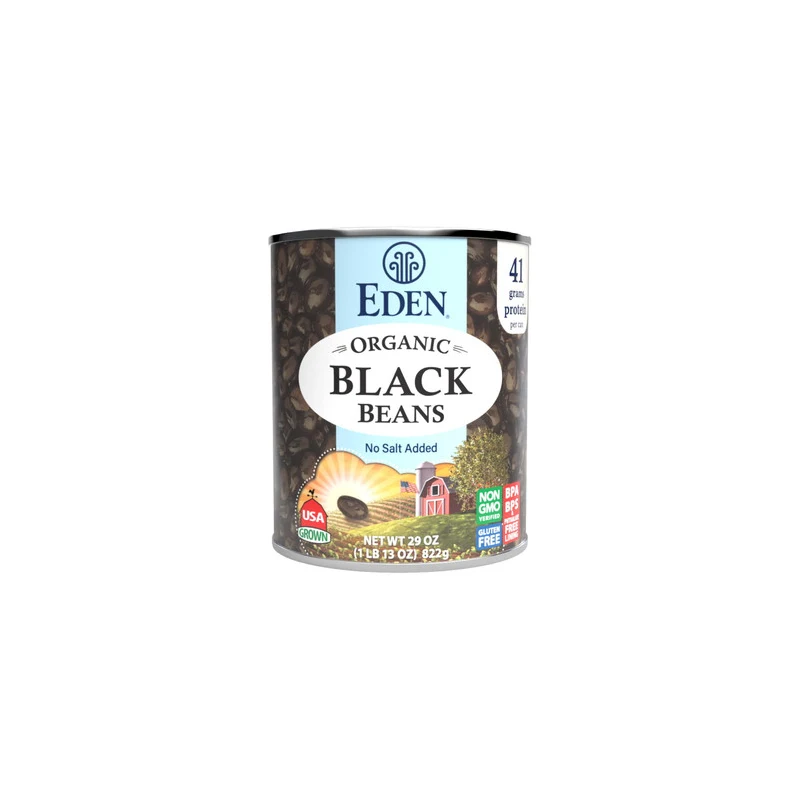 Eden FoodsOrganic Black Beans
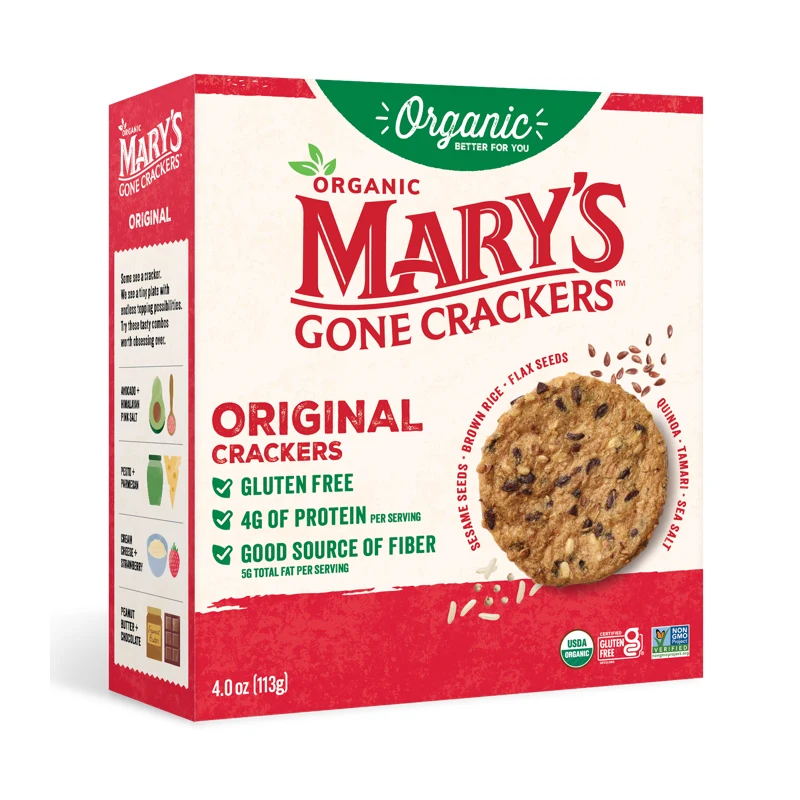 Mary’s Gone CrackersOriginal Crackers
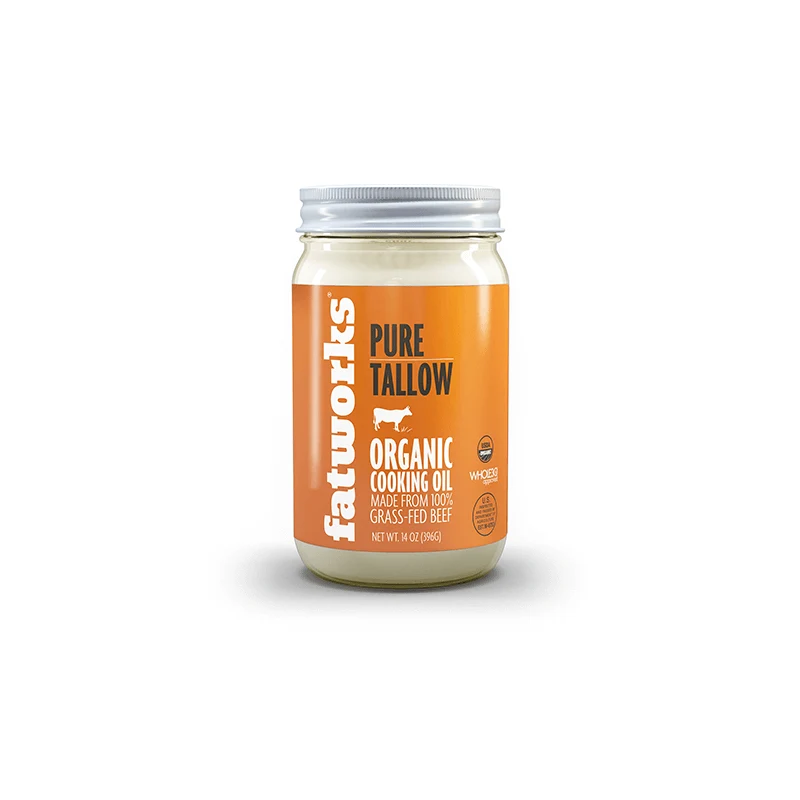 FatworksOrganic Grass-Fed Beef Tallow
The short answer
Our picks for what does organic mean?
Top of the shelfJovial Organic Gluten-Free Brown Rice Fusilli Single Serving, Organic Valley Organic Salted Butter, and Eden Foods Organic Black Beans each score 100/100. 10 products tie at 100; these 3 have the shortest labels. Use Compare by in the table to separate the rest.
Also strongFatworks Organic Grass-Fed Beef Tallow (100), Mary’s Gone Crackers Original Crackers (100), and Nature's Path Organic Mesa Sunrise Gluten-Free Cereal (100).
Clear noNone. Nothing scored here lists any of the nine groups we check, so there’s no additive to rule out.
Ranked from 10 of 10 products with current labels. Every product is in the table below; a score reflects labels and claims, not nutrition, allergies or safety.
Compare the recorded labels
Find the ingredients that matter to you.
“No …” columns: None found on the label · Listed on the label · Unknown. Diet fit: Fits · Doesn’t fit · Unknown (rules; not medical advice). Claims: verified · not established. Default: most check marks first; not a health score.
| Buy | ||||||||||
|---|---|---|---|---|---|---|---|---|---|---|
| 100 / 1009 of 9 groups clear · organic | Buy on Amazon ↗Product details → | 5 | ||||||||
Recorded ingredients Organic whole wheat (organic whole wheat flour, organic cracked whole wheat), water, organic cane sugar, organic 21 Whole Grains and Seeds mix (organic whole flax seeds, organic sunflower seeds, organic tri-color quinoa [organic black quinoa, organic red quinoa, organic white quinoa], organic ground whole flax seeds, organic triticale, organic pumpkin seeds, organic rolled barley, organic rolled oats, organic rolled rye, organic blue cornmeal, organic millet, organic rolled spelt, organic brown rice flour, organic amaranth flour, organic yellow cornmeal, organic KAMUT khorasan wheat, organic sorghum flour, organic buckwheat flour, organic quinoa, organic poppy seeds), organic wheat gluten, organic oat fiber, contains 2% or less of each of the following: yeast, organic molasses, sea salt, organic cultured wheat flour, organic vinegar, organic acerola cherry powder, enzymes. Label checked 2026-10-04 · US Ingredient evidence source ↗Sourcing claim evidence ↗ · reviewed 2026-10-05 | ||||||||||
| 100 / 1009 of 9 groups clear · organic | Buy on Amazon ↗Product details → | 5 | ||||||||
Recorded ingredients Organic Black Turtle Beans, Water, Kombu Seaweed Label checked 2026-10-05 · US Ingredient evidence source ↗Sourcing claim evidence ↗ · reviewed 2026-10-05 | ||||||||||
| 100 / 1009 of 9 groups clear · organic | Buy on Amazon ↗Product details → | 5 | ||||||||
Recorded ingredients Brown rice flour*, corn flour*, cane sugar*, gluten-free whole grain oat flour*, pomegranate juice concentrate*, black carrot juice concentrate* (color), sea salt, raspberry juice concentrate*, vegetable powder* (kale*, broccoli*, carrot*, spinach*, beet*, green cabbage*, parsley*), strawberry juice concentrate*, natural flavors*. *Organic. Produced in a facility that uses tree nuts, peanuts and soy. Label checked 2026-10-05 · US Ingredient evidence source ↗Sourcing claim evidence ↗ · reviewed 2026-10-05 Producer claims Organic The exact source catalog title states: “EnviroKidz Organic Cheetah Chomps Cereal”. Source catalog claims are shown separately from ingredient checks. Producer claim source ↗Reviewed 2026-10-05 | ||||||||||
| Retail jar | 100 / 1009 of 9 groups clear · organic | Buy on Amazon ↗Product details → | 7 | |||||||
Recorded ingredients Organic Grass-Fed, Grass-Finished, Pasture-Raised Beef Fat (from Suet) Label checked 2026-10-05 · US Ingredient evidence source ↗Sourcing claim evidence ↗ · reviewed 2026-10-05 Producer claims Organic · grass-fed & grass-finished Organic variant; separate from the standard Fatworks jar. Producer claim source ↗Reviewed 2026-10-05 | ||||||||||
| 100 / 1009 of 9 groups clear · organic | Buy on Amazon ↗Product details → | 5 | ||||||||
Recorded ingredients Organic Sprouted Wheat, Filtered Water, Organic Sprouted Barley, Organic Sprouted Millet, Organic Malted Barley, Organic Sprouted Lentils, Organic Sprouted Soybeans, Organic Sprouted Spelt, Organic Wheat Gluten, Yeast, Sea Salt. Label checked 2026-10-04 · US Ingredient evidence source ↗Sourcing claim evidence ↗ · reviewed 2026-10-05 | ||||||||||
| 100 / 1009 of 9 groups clear · organic | Find where to buy ↗Product details → | 5 | ||||||||
Recorded ingredients Organic brown rice flour, water Label checked 2026-10-11 · US Ingredient evidence source ↗Sourcing claim evidence ↗ · reviewed 2026-10-05 Producer claims Organic The exact source catalog title states: “Organic Gluten Free Brown Rice Fusilli Single Serving”. Source catalog claims are shown separately from ingredient checks. Producer claim source ↗Reviewed 2026-10-05 | ||||||||||
| 100 / 1009 of 9 groups clear · organic | Buy on Amazon ↗Product details → | 5 | ||||||||
Recorded ingredients Brown rice*, quinoa*, flax seeds*, sesame seeds*, tamari* (water, soybeans*, salt, vinegar*), sea salt. *Organic. Contains: Soy, Sesame. Label checked 2026-10-05 · US Ingredient evidence source ↗Sourcing claim evidence ↗ · reviewed 2026-10-05 | ||||||||||
| 100 / 1009 of 9 groups clear · organic | Buy on Amazon ↗Product details → | 5 | ||||||||
Recorded ingredients Corn meal* and/or yellow corn flour*, cane sugar*, flax seeds*, buckwheat flour*, quinoa*, amaranth*, sea salt, tocopherols (vitamin e). *Organic. Produced in a facility that uses tree nuts, peanuts and soy. Label checked 2026-10-05 · US Ingredient evidence source ↗Sourcing claim evidence ↗ · reviewed 2026-10-05 Producer claims Organic The exact source catalog title states: “Nature's Path Organic Mesa Sunrise Gluten Free Cereal”. Source catalog claims are shown separately from ingredient checks. Producer claim source ↗Reviewed 2026-10-05 | ||||||||||
| 100 / 1009 of 9 groups clear · organic | Buy on Amazon ↗Product details → | 5 | ||||||||
Recorded ingredients Khorasan wheat flour*, wheat bran*, whole wheat meal*, cane sugar*, whole oat flour*, spelt flour*, barley flour*, whole millet*, barley malt extract*, quinoa*, sea salt, honey*. *Organic. Contains soy. Produced in a facility that uses soy, peanuts and tree nuts. Label checked 2026-10-05 · US Ingredient evidence source ↗Sourcing claim evidence ↗ · reviewed 2026-10-05 | ||||||||||
| 100 / 1009 of 9 groups clear · organic | Buy on Amazon ↗Product details → | 6 | ||||||||
Recorded ingredients Organic sweet cream, salt Label checked 2026-10-04 · US Ingredient evidence source ↗Sourcing claim evidence ↗ · reviewed 2026-10-05 Producer claims Organic · pasture-raised milk This specific butter is described as organic and made with pasture-raised milk. The product page does not establish a 100% grass-fed claim for this variant; a site-wide logo is not product evidence. Producer claim source ↗Reviewed 2026-10-05 | ||||||||||
How the clean score works
No setup needed, and strict: a full 100 needs every additive group clear and a verified organic claim (animal foods also need a verified grass-fed or pasture-raised claim; wild seafood and salt, which have no USDA organic standard, are scored without the organic points, and plant-based milks, cheeses and proteins without the feeding claim). Points: the nine additive groups (seed oils, artificial dyes, MSG, artificial sweeteners, carrageenan, artificial preservatives, hydrogenated oils, corn syrups, banned-abroad additives) share 60 points equally — not found earns a group’s full share, “may contain” earns half, listed earns 0; a verified organic claim is worth 25; a verified grass-fed or pasture-raised claim is worth 15 and counts only for animal foods. No claim, or an expired or unverified claim, earns nothing, so products without those claims cannot reach 100. Unverified or expired ingredient labels receive no score. Equal scores are equal. Ties are ordered by brand. Unknown and stale evidence never passes “Only show matches.” Producer claims and prices do not affect this score. This is not a nutrition, allergy, or safety rating.
As an Amazon Associate I earn from qualifying purchases. Buying links do not influence ingredient results. “Buy on Amazon” opens a reviewed product listing; “Find where to buy” opens the maker’s page. Confirm the package, seller, stock, and current price before checkout. Price observations expire after 30 days.
Primary sources
Sources
- 7 CFR 205.301: product composition (National Organic Program) law.cornell.edu
- USDA AMS: labeling organic products ams.usda.gov