Additive guides · Product label guide
Sunflower oil: regular vs high oleic, and where it shows up on labels.
Updated
What sunflower oil is, how regular and high-oleic sunflower oil differ in fat profile, which shelves list it, and why our checker flags it as a seed oil.
Quick answer
Sunflower oil is pressed from sunflower seeds. Regular (linoleic) sunflower oil is mostly polyunsaturated fat; high-oleic sunflower oil is mostly monounsaturated fat, closer to olive oil. Our checker flags both as seed oils, because it matches the oil by name, not by type. The FDA has reviewed a qualified health claim for oleic acid oils.
- Checker group
- Seed oils (flagged)
- In our catalog
- 375 current labels list sunflower oil
- Say high oleic
- 53 of 375
01 · A closer look
Two oils with one name.
Regular sunflower oil is high in linoleic acid, an omega-6 polyunsaturated fat. High-oleic sunflower oil comes from seeds bred to make mostly oleic acid, a monounsaturated fat, so it is more stable for frying and shelf life. The USDA FoodData Central records show the gap per 100 grams: the linoleic type lists about 65.7 grams of polyunsaturated and 19.5 grams of monounsaturated fat, while the high-oleic type lists about 3.8 grams and 83.7 grams.
USDA FoodData Central: Oil, sunflower, high oleic (70% and over), FDC 17233802 · A closer look
What the numbers are.
Both oils have roughly 10 grams of saturated fat per 100 grams in the USDA records, which is low next to butter or palm oil. The two types behave differently in the pan and in packaged food, but both are 100 percent fat and carry the same calories.
USDA FoodData Central: Oil, sunflower, linoleic (approx. 65%), FDC 17102503 · A closer look
What the FDA reviewed.
In 2018 the FDA completed its review of a qualified health claim petition for oleic acid. It allows a limited claim, with specific wording and conditions, for oils that are at least 70 percent oleic acid, and high-oleic sunflower oil is among the oils that can meet that. The claim is about replacing saturated fat with these oils and is not a recommendation to eat more oil.
FDA: completes review of qualified health claim petition for oleic acid and the risk of coronary heart disease (Nov 19, 2018)04 · A closer look
How our checker treats it.
The checker flags sunflower oil under seed oils by its name, and it cannot tell regular from high oleic when the label does not say. That is a deliberate simple rule: it reads the label and does not judge the oil’s fat profile. If you avoid seed oils, treat both as flagged. If you do not, the high-oleic label is the more stable choice for heat.
USDA FoodData Central: Oil, sunflower, linoleic (approx. 65%), FDC 171025From the catalog · 12 labels
Sunflower oil in our catalog
Of the 4,729 products whose full ingredient list we have read in the last 90 days, 375 (from 141 brands) list sunflower oil. Most labels say only sunflower oil, with no type. Below are up to 12 of them, one per brand; open a product to see its full label and the date we read it.
| Labels | |
|---|---|
| Current, complete labels checked | 4,729 |
| List sunflower oil | 375 (7.9%) |
| Of those, no additive group flagged by the checker | 5 of 375 |
| Also flagged: Seed Oils | 370 of 375 |
| Also flagged: Corn Syrups | 22 of 375 |
| Also flagged: Artificial Sweeteners | 16 of 375 |
| Labels naming high-oleic sunflower oil | 53 of 375 (14.1%) |
| Sunflower oil labels the checker flags as a seed oil | 370 of 375 |
| Labels on the Chips & crisps shelf | 44 |
| Labels on the Snack bars shelf | 43 |
| Labels on the Crackers shelf | 24 |
| Labels on the Bread shelf | 21 |
| Labels on the Cereal shelf | 17 |
 Que PasaOrganic Blue Corn Tortilla Chips
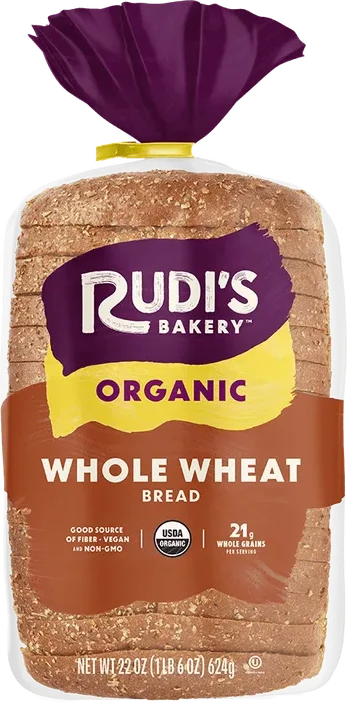 Rudi'sOrganic Whole Wheat Bread
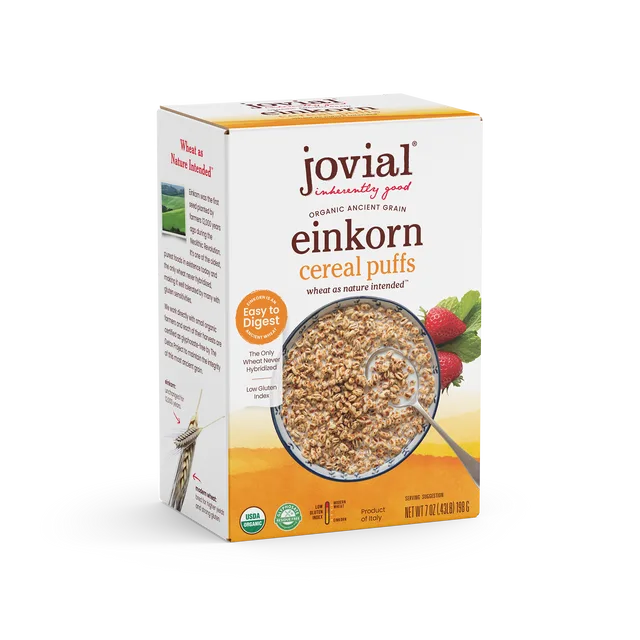 JovialOrganic Einkorn Cereal Puffs
 Once AgainOrganic Sunflower Butter – Salt Free, Unsweetened
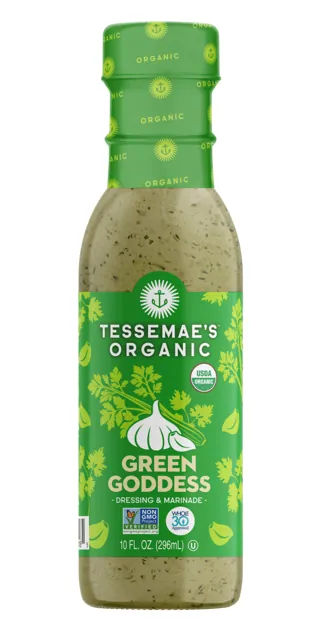 Tessemae'sOrganic Pantry Green Goddess Dressing
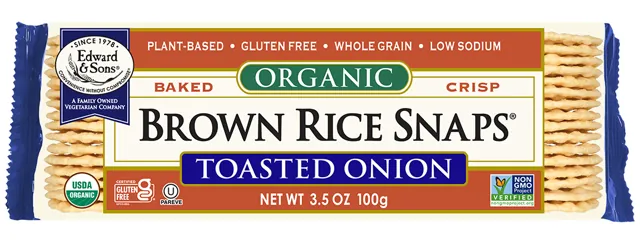 Edward & SonsOrganic Toasted Onion Brown Rice Snaps
 Wilderness PoetsGolden Raisins – Organic, Raw
 Nuts.comOrganic Raisins – Single-Serve
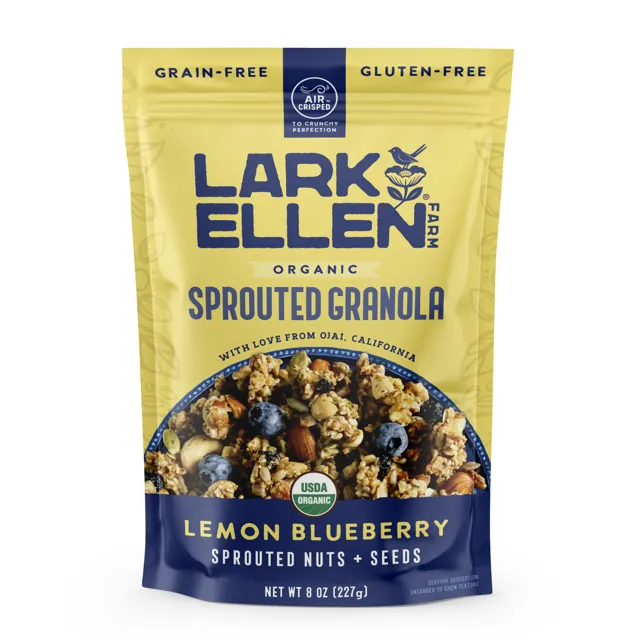 Lark Ellen FarmLemon Blueberry Organic Sprouted Granola
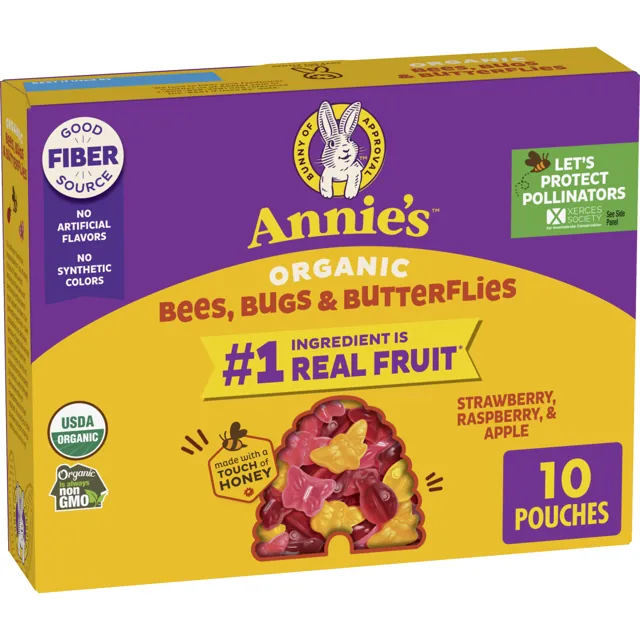 Annie'sOrganic Bees, Bugs & Butterflies Fruit Snacks
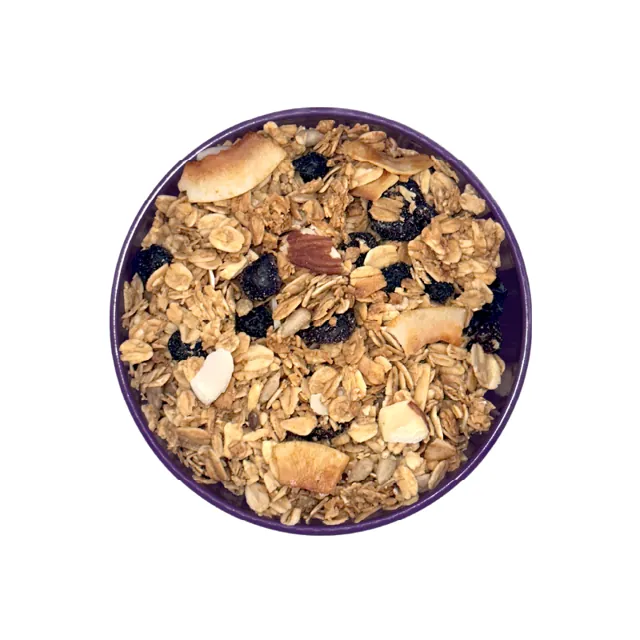 Tierra FarmOrganic Blueberry Almond Granola
 WatkinsOrganic Hamburger Seasoning
The short answer
Our picks for sunflower oil
Clear winnerQue Pasa Organic Blue Corn Tortilla Chips, 100/100: no tracked additive group on its label, verified organic claim.
Clear noNuts.com Organic Raisins – Single-Serve (lists seed oils), Wilderness Poets Golden Raisins – Organic, Raw (lists seed oils), Once Again Organic Sunflower Butter – Salt Free, Unsweetened (lists seed oils), plus 6 more with a listed group.
Ranked from 10 of 10 products with current labels. Every product is in the table below; a score reflects labels and claims, not nutrition, allergies or safety.
Compare the recorded labels
Find the ingredients that matter to you.
“No …” columns: None found on the label · Listed on the label · Unknown. Diet fit: Fits · Doesn’t fit · Unknown (rules; not medical advice). Claims: verified · not established. Default: most check marks first; not a health score.
| Buy | ||||||||
|---|---|---|---|---|---|---|---|---|
| 100 / 1009 of 9 groups clear · organic | Find where to buy ↗Product details → | 5 | ||||||
Recorded ingredients Volcanic stone ground corn*, sunflower* and/or safflower* oil, sea salt, trace of lime. Label checked 2026-10-11 · US Ingredient evidence source ↗Sourcing claim evidence ↗ · reviewed 2026-10-05 Producer claims Organic The exact source catalog title states: “Que Pasa Organic Blue Corn Tortilla Chips”. Source catalog claims are shown separately from ingredient checks. Producer claim source ↗Reviewed 2026-10-05 | ||||||||
| 92 / 1008 of 9 groups clear · organic | Find where to buy ↗Product details → | 4 | ||||||
Recorded ingredients Organic Pear Puree, Organic Cane Sugar, Organic Soluble Tapioca Fiber, Organic Rice Syrup, Organic Tapioca Syrup Solids, Organic Honey, Pectin, Citric Acid, Sodium Citrate, Organic Natural Flavor, Organic Sunflower Oil, Organic Vegetable and Fruit Juice added for Color, Organic Carnauba Wax. Label checked 2026-10-16 · US Ingredient evidence source ↗Sourcing claim evidence ↗ · reviewed 2026-10-16 Producer claims Organic The exact source catalog title states: “Organic Bees, Bugs & Butterflies Fruit Snacks”. Source catalog claims are shown separately from ingredient checks. Producer claim source ↗Reviewed 2026-10-16 | ||||||||
| 92 / 1008 of 9 groups clear · organic | Find where to buy ↗Product details → | 4 | ||||||
Recorded ingredients Organic Whole Grain Brown Jasmine Rice, Organic Sunflower Oil, Organic Onion Powder, Salt, Organic Garlic Powder. Label checked 2026-10-16 · US Ingredient evidence source ↗Sourcing claim evidence ↗ · reviewed 2026-10-16 Producer claims Organic The exact source catalog title states: “Edward & Sons® Organic Toasted Onion Brown Rice Snaps® <BR> (25% OFF)”. Source catalog claims are shown separately from ingredient checks. Producer claim source ↗Reviewed 2026-10-16 | ||||||||
| 92 / 1008 of 9 groups clear · organic | Find where to buy ↗Product details → | 4 | ||||||
Recorded ingredients Organic puffed einkorn wheat, organic sugar, organic honey, organic sunflower oil. Contains wheat. Label checked 2026-10-05 · US Ingredient evidence source ↗Sourcing claim evidence ↗ · reviewed 2026-10-05 Producer claims Organic The exact source catalog title states: “Organic Einkorn Cereal Puffs”. Source catalog claims are shown separately from ingredient checks. Producer claim source ↗Reviewed 2026-10-05 | ||||||||
| 92 / 1008 of 9 groups clear · organic | Find where to buy ↗Product details → | 4 | ||||||
Recorded ingredients Sprouted Pumpkin Seeds*, Sunflower Seeds*, Maple Syrup*, Sprouted Almonds*, Coconut*, Sprouted Cashews*, Blueberries* (Blueberries*, Apple Juice Concentrate*, Sunflower Oil*), Coconut Sugar*, Lemon Powder* (Lemon Powder*, Inulin*), Coconut Oil*, Vanilla Extract*, Sea Salt, Lemon Zest* Label checked 2026-10-16 · US Ingredient evidence source ↗Sourcing claim evidence ↗ · reviewed 2026-10-16 Producer claims Organic The exact source catalog title states: “Lemon Blueberry Organic Sprouted Granola”. Source catalog claims are shown separately from ingredient checks. Producer claim source ↗Reviewed 2026-10-16 | ||||||||
| 92 / 1008 of 9 groups clear · organic | Find where to buy ↗Product details → | 4 | ||||||
Recorded ingredients Organic Thompson Seedless Raisins, Organic Sunflower Oil. Label checked 2026-10-16 · US Ingredient evidence source ↗Sourcing claim evidence ↗ · reviewed 2026-10-16 Producer claims Organic The exact source catalog title states: “Organic Raisins - Single Serve”. Source catalog claims are shown separately from ingredient checks. Producer claim source ↗Reviewed 2026-10-16 | ||||||||
| 92 / 1008 of 9 groups clear · organic | Find where to buy ↗Product details → | 4 | ||||||
Recorded ingredients Organic sunflower seeds, organic sunflower oil, organic sugar cane and salt Label checked 2026-10-11 · US Ingredient evidence source ↗Sourcing claim evidence ↗ · reviewed 2026-10-05 Producer claims Organic The exact source catalog title states: “Organic Sunflower Butter - Salt Free, Unsweetened - 40oz Jar”. Source catalog claims are shown separately from ingredient checks. Producer claim source ↗Reviewed 2026-10-05 | ||||||||
| 92 / 1008 of 9 groups clear · organic | Buy on Amazon ↗Product details → | 4 | ||||||
Recorded ingredients Organic whole wheat flour, water, organic cracked wheat, organic brown sugar, organic wheat gluten, organic wheat bran, organic sunflower oil, yeast, sea salt, organic distilled white vinegar, organic molasses, cultured organic wheat flour, organic barley malt syrup, enzymes, ascorbic acid (dough conditioner). Label checked 2026-10-04 · US Ingredient evidence source ↗Sourcing claim evidence ↗ · reviewed 2026-10-05 | ||||||||
| 92 / 1008 of 9 groups clear · organic | Find where to buy ↗Product details → | 4 | ||||||
Recorded ingredients High Oleic Sunflower Oil*, Lemon Juice*, Coconut Aminos*, Water, Salted Egg Yolks* (Egg Yolks*, Salt), Mustard* (Distilled Vinegar*, Water, Mustard Seed*, Sea Salt, Spices*), Red Wine Vinegar*, White Distilled Vinegar*, Onion*, Black Pepper*, Sea Salt, Dill*, Parsley*, Garlic*, Egg*, Spinach*. Label checked 2026-10-11 · US Ingredient evidence source ↗Sourcing claim evidence ↗ · reviewed 2026-10-11 Producer claims Organic The exact source catalog title states: “Organic Pantry Green Goddess Dressing”. Source catalog claims are shown separately from ingredient checks. Producer claim source ↗Reviewed 2026-10-11 | ||||||||
| 92 / 1008 of 9 groups clear · organic | Find where to buy ↗Product details → | 4 | ||||||
Recorded ingredients Organic Golden Raisins (Sultanas), Organic Sunflower Oil (1% to keep from clumping) Label checked 2026-10-16 · US Ingredient evidence source ↗Sourcing claim evidence ↗ · reviewed 2026-10-16 Producer claims Organic The exact source catalog title states: “Golden Raisins - Organic, Raw”. Source catalog claims are shown separately from ingredient checks. Producer claim source ↗Reviewed 2026-10-16 | ||||||||
How the clean score works
No setup needed, and strict: a full 100 needs every additive group clear and a verified organic claim (animal foods also need a verified grass-fed or pasture-raised claim; wild seafood and salt, which have no USDA organic standard, are scored without the organic points, and plant-based milks, cheeses and proteins without the feeding claim). Points: the nine additive groups (seed oils, artificial dyes, MSG, artificial sweeteners, carrageenan, artificial preservatives, hydrogenated oils, corn syrups, banned-abroad additives) share 60 points equally — not found earns a group’s full share, “may contain” earns half, listed earns 0; a verified organic claim is worth 25; a verified grass-fed or pasture-raised claim is worth 15 and counts only for animal foods. No claim, or an expired or unverified claim, earns nothing, so products without those claims cannot reach 100. Unverified or expired ingredient labels receive no score. Equal scores are equal. Ties are ordered by brand. Unknown and stale evidence never passes “Only show matches.” Producer claims and prices do not affect this score. This is not a nutrition, allergy, or safety rating.
As an Amazon Associate I earn from qualifying purchases. Buying links do not influence ingredient results. “Buy on Amazon” opens a reviewed product listing; “Find where to buy” opens the maker’s page. Confirm the package, seller, stock, and current price before checkout. Price observations expire after 30 days.
Primary sources
Sources
- USDA FoodData Central: Oil, sunflower, linoleic (approx. 65%), FDC 171025 fdc.nal.usda.gov
- USDA FoodData Central: Oil, sunflower, high oleic (70% and over), FDC 172338 fdc.nal.usda.gov
- FDA: completes review of qualified health claim petition for oleic acid and the risk of coronary heart disease (Nov 19, 2018) fda.gov