Additive guides · Product label guide
Soybean oil: where it hides on labels, the allergen exemption and same-shelf swaps.
Updated
Soybean oil is the most common oil in US packaged food. Which shelves list it, why “vegetable oil” often means soybean oil, how allergen rules treat refined soybean oil, and swaps on the same shelf.
Quick answer
Soybean oil is pressed from soybeans and is the oil behind many labels that say only “vegetable oil”. Our checker flags it as a seed oil. Highly refined soybean oil is exempt from the major-allergen definition under FALCPA, but the label must still name the oil. Many shelves have versions of the same food made with other oils.
- Checker group
- Seed oils (flagged)
- In our catalog
- 205 current labels list soybean oil
- Allergen rule
- Highly refined oil exempt (FALCPA)
01 · A closer look
The oil inside “vegetable oil”.
In the United States, a label that says “vegetable oil” is most often soybean oil or a blend that includes it. Soybean oil is cheap, neutral in flavor and stable enough for frying and baking, which is why it is in dressings, mayonnaise, crackers, frozen meals and restaurant fryers.
02 · A closer look
What the allergen rules say.
Soybeans are a major food allergen under FALCPA, but the law excludes highly refined oil made from them, since refining removes most protein. The source must still be named on the ingredient list, so you will see “soybean oil” rather than a hidden term. Oil that is not highly refined, such as some cold-pressed oils, is treated differently, so people with a soy allergy should follow the maker’s allergen statement.
FDA: Food Allergen Labeling and Consumer Protection Act of 2004 (FALCPA)03 · A closer look
How our checker treats it.
Soybean oil, soy oil and generic vegetable oil are all matched under seed oils, and a flagged group lowers the score. The guide to seed oils explains why some shoppers avoid them and what the evidence does and does not show.
04 · A closer look
Swaps on the same shelf.
Most shelves that list soybean oil also have comparable foods without any seed oil: olive oil dressings, avocado oil mayonnaise, butter or coconut oil in baked goods. The table below counts, for the busiest shelves, how many current labels list no seed oil at all.
From the catalog · 12 labels
Soybean oil in our catalog
Of the 4,729 products whose full ingredient list we have read in the last 90 days, 205 (from 118 brands) list soybean oil. The table also shows, for its busiest shelves, how many labels on the same shelf list no seed oil at all. Below are up to 12 of them, one per brand; open a product to see its full label and the date we read it.
| Labels | |
|---|---|
| Current, complete labels checked | 4,729 |
| List soybean oil | 205 (4.3%) |
| Of those, no additive group flagged by the checker | 0 of 205 |
| Also flagged: Seed Oils | 205 of 205 |
| Also flagged: Artificial Preservatives | 64 of 205 |
| Also flagged: Corn Syrups | 35 of 205 |
| Frozen pizza shelf: labels with no seed oil listed | 7 of 60 |
| Bread shelf: labels with no seed oil listed | 47 of 106 |
| Cookies shelf: labels with no seed oil listed | 61 of 114 |
| Dressings & cooking sauces shelf: labels with no seed oil listed | 30 of 58 |
| Labels on the Frozen pizza shelf | 31 |
| Labels on the Bread shelf | 23 |
| Labels on the Cookies shelf | 15 |
| Labels on the Dressings & cooking sauces shelf | 12 |
| Labels on the Ketchup, mayo & condiments shelf | 12 |
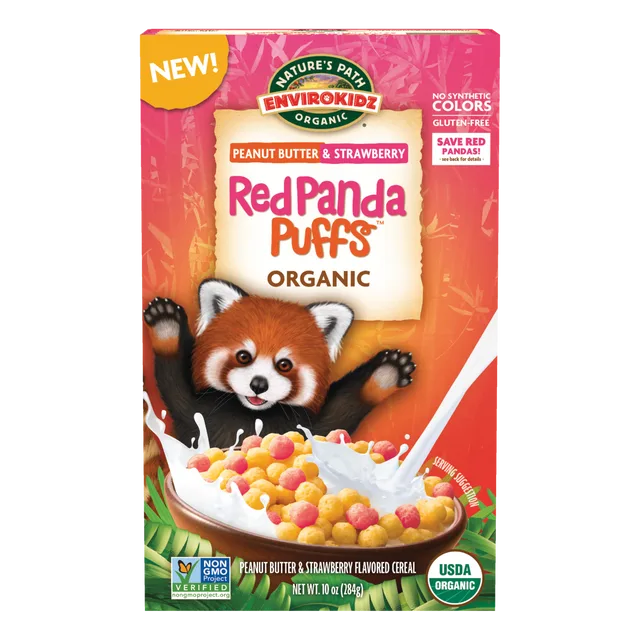 EnviroKidzOrganic Red Panda Puffs Cereal
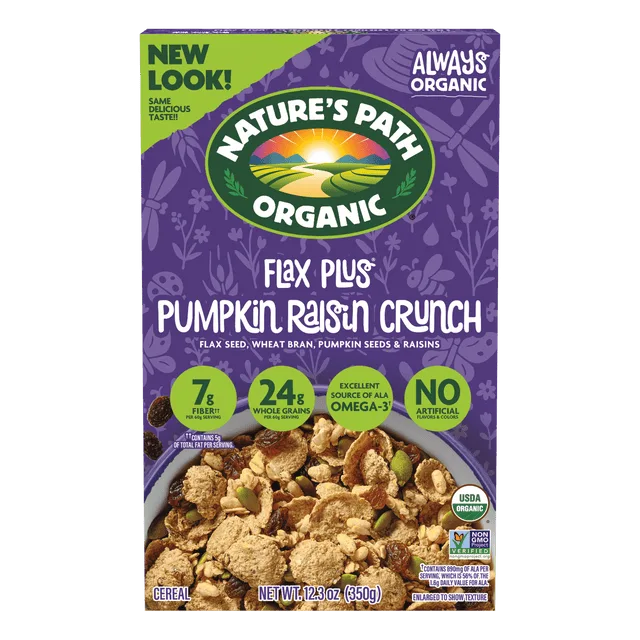 Nature's PathOrganic Flax Plus Pumpkin Raisin Crunch Cereal
 Nuts.comOrganic Hemp and Flax Granola
 FishwifeFly by Jing Smoked Salmon
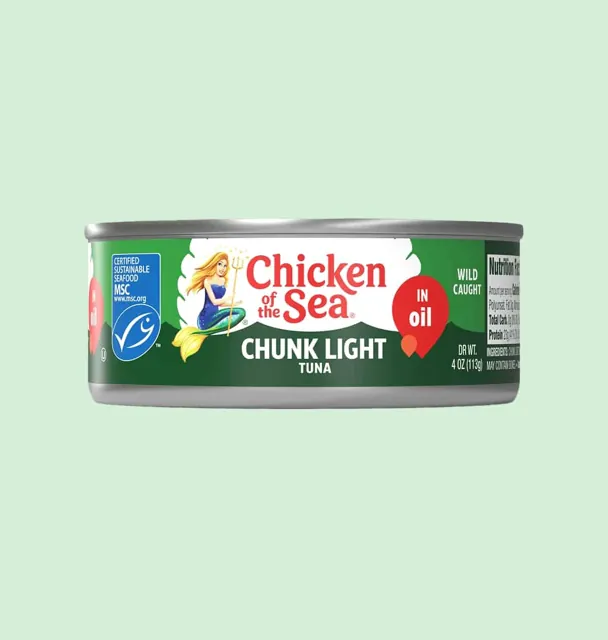 Chicken of the SeaChunk Light Tuna Il Oil
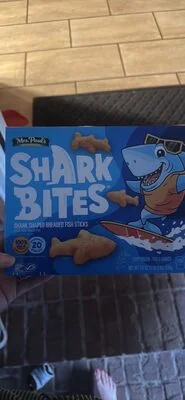 Mrs. Paul'sShark Shaped Breaded Fish Sticks
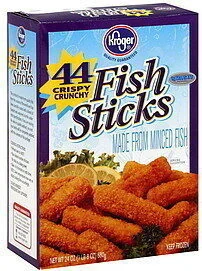 KrogerCrunchy Fish Sticks
 365 by Whole Foods MarketBreaded Fish Sticks
 Van de Kamp'sBeer Battered Fillets
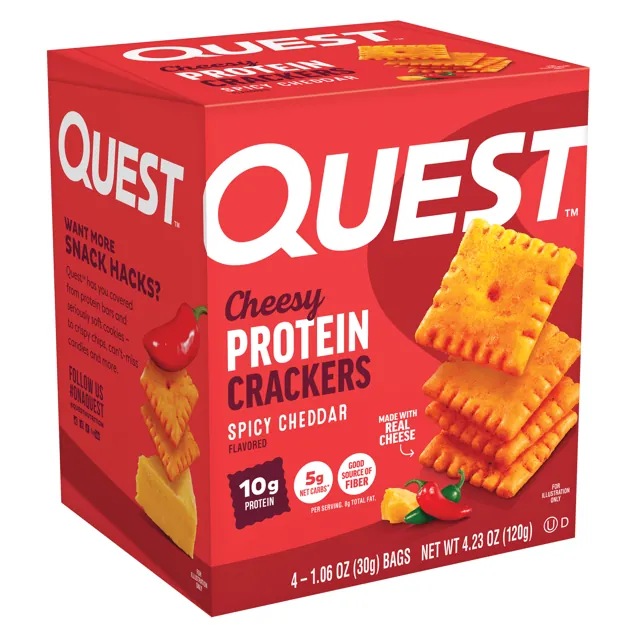 Quest NutritionSpicy Cheddar Cheese Crackers
 CLIFBuilders White Fudge OREO-Flavored Plant Based Protein Bars
 Fly By JingMild Crunchy Garlic Sichuan Chili Crisp
The short answer
Our picks for soybean oil
No pick yetEvery scored soybean oil label lists at least one of the groups we check, so nothing here earns a pick.
Clear noVan de Kamp's Beer Battered Fillets (lists seed oils and corn syrups), Quest Nutrition Spicy Cheddar Cheese Crackers (lists seed oils), Chicken of the Sea Chunk Light Tuna Il Oil (lists seed oils), plus 7 more with a listed group.
Ranked from 10 of 10 products with current labels. Every product is in the table below; a score reflects labels and claims, not nutrition, allergies or safety.
Compare the recorded labels
Find the ingredients that matter to you.
“No …” columns: None found on the label · Listed on the label · Unknown. Diet fit: Fits · Doesn’t fit · Unknown (rules; not medical advice). Claims: verified · not established. Default: most check marks first; not a health score.
| Buy | ||||||||
|---|---|---|---|---|---|---|---|---|
| 92 / 1008 of 9 groups clear · organic | Find where to buy ↗Product details → | 4 | ||||||
Recorded ingredients Whole grain corn meal*, Corn meal*, Cane sugar*, Peanut butter*, Beet juice concentrate*, Sea salt, Tapioca starch*, Soy oil*, Natural flavour*, Strawberry juice concentrate*, Citric acid, Tocopherols (added to enhance freshness). *Organic. Contains: Peanuts, Soy. May contain: Tree nuts. Label checked 2026-10-05 · US Ingredient evidence source ↗Sourcing claim evidence ↗ · reviewed 2026-10-05 Producer claims Organic The exact source catalog title states: “EnviroKidz Organic Red Panda Puffs® Cereal”. Source catalog claims are shown separately from ingredient checks. Producer claim source ↗Reviewed 2026-10-05 | ||||||||
| 92 / 1008 of 9 groups clear · organic | Find where to buy ↗Product details → | 4 | ||||||
Recorded ingredients Whole wheat meal*, raisins* (coated with sun flower oil*), whole grain rolled oats*, wheat bran*, cane sugar*, flax seeds*, pumpkin seeds*, soy oil*, brown rice flour*, oat bran*, barley malt extract*, sea salt, rice starch*, tocopherols (vitamin e), molasses*, cinnamon*. *Organic. Contains wheat and soy. produced in a facility that uses tree nuts and peanuts. Label checked 2026-10-05 · US Ingredient evidence source ↗Sourcing claim evidence ↗ · reviewed 2026-10-05 Producer claims Organic The exact source catalog title states: “Nature's Path Organic Flax Plus Pumpkin Raisin Crunch Cereal”. Source catalog claims are shown separately from ingredient checks. Producer claim source ↗Reviewed 2026-10-05 | ||||||||
| 92 / 1008 of 9 groups clear · organic | Find where to buy ↗Product details → | 4 | ||||||
Recorded ingredients Organic Whole Rolled Oats, Organic Cane Sugar, Organic Expeller Pressed Canola Oil, Organic Soybean Oil, Organic Crisp Brown (Organic Brown Rice, Organic Cane Sugar, Sea ... Label checked 2026-10-16 · US Ingredient evidence source ↗Sourcing claim evidence ↗ · reviewed 2026-10-16 Producer claims Organic The exact source catalog title states: “Organic Hemp and Flax Granola”. Source catalog claims are shown separately from ingredient checks. Producer claim source ↗Reviewed 2026-10-16 | ||||||||
| 89 / 1008 of 9 groups clear · organic not applicable | Product details → | 3 | ||||||
Recorded ingredients POLLOCK, HIGHLY REFINED SOYBEAN OIL, WHEAT FLOUR, WATER, SUNFLOWER SEED OIL, SALT, LEAVENING (SODIUM ACID PYROPHOSPHATE, SODIUM BICARBONATE), MODIFIED CORNSTARCH, DEXTROSE+, YEAST, CORNSTARCH, ASCORBIC ACID (DOUGH CONDITIONER), GUAR GUM, CANE SUGAR+, PEA PROTEIN ISOLATE, SPICE EXTRACTIVES, METHYLCELLULOSE. Label checked 2026-10-18 · US Source: USDA FoodData Central ↗ · FDC ID 2462224 · data date 2023-02-16 · release 2026-04-30. Brand-submitted label record, public domain (CC0). | ||||||||
| 89 / 1008 of 9 groups clear · organic not applicable | Find where to buy ↗Product details → | 3 | ||||||
Recorded ingredients CHUNK LIGHT TUNA, SOYBEAN OIL, VEGETABLE BROTH (CONTAINS SOY), SALT. Label checked 2026-10-16 · US Source: USDA FoodData Central ↗ · FDC ID 2678584 · data date 2023-11-16 · release 2026-04-30. Brand-submitted label record, public domain (CC0). | ||||||||
| 89 / 1008 of 9 groups clear · organic not applicable | Find where to buy ↗Product details → | 3 | ||||||
Recorded ingredients Atlantic Salmon (Fish), Fly By Jing Chili Crisp (Non-GMO Sichuan Rapeseed Oil, Non-GMO Soybean Oil, Dried Chili Pepper, Preserved Black Bean, Garlic, Sesame Oil, Salt, Shallots, Ginger, Mushroom Powder, Sichuan Pepper, Seaweed Powder, Spices), Dark Brown Sugar, Salt, Garlic Salt Label checked 2026-10-17 · US Ingredient evidence source ↗Producer claims Sourcing claim not reviewed The catalog establishes this product’s name and photograph. Sourcing claims and a complete ingredient label may still need review. Producer claim source ↗Reviewed | ||||||||
| 89 / 1008 of 9 groups clear · organic not applicable | Product details → | 3 | ||||||
Recorded ingredients MINCED ALASKA POLLOCK, WHEAT FLOUR, VEGETABLE OIL (CANOLA OIL, COTTONSEED OIL, AND/OR SOYBEAN OIL), BLEACHED WHEAT FLOUR, WATER, MODIFIED CORN STARCH, CONTAINS 2% OR LESS OF: SUGAR, NATURAL FLAVORS, SALT, LEAVENING (SODIUM BICARBONATE, SODIUM ALUMINUM PHOSPHATE), YELLOW CORN FLOUR, YEAST EXTRACT, WHEY, ONION POWDER, YEAST, DEXTROSE, CARAMEL COLOR, EXTRACTIVES OF PAPRIKA AND TURMERIC (COLOR). Label checked 2026-10-18 · US Source: USDA FoodData Central ↗ · FDC ID 2522489 · data date 2023-04-27 · release 2026-04-30. Brand-submitted label record, public domain (CC0). | ||||||||
| 89 / 1008 of 9 groups clear · organic not applicable | Product details → | 3 | ||||||
Recorded ingredients MINCED POLLOCK, WHEAT FLOUR, WATER, SOYBEAN OIL, CONTAINS LESS THAN 2% OF THE FOLLOWING: CORN STARCH, DRIED CITRUS PULP, SALT, SUGAR, VITAL WHEAT GLUTEN, METHYLCELLULOSE, MODIFIED CORN STARCH, LEAVENING (SODIUM ACID PYROPHOSPHATE, SODIUM BICARBONATE), YEAST, DEXTROSE, GARLIC POWDER, ONION POWDER, SPICE, EXTRACTIVES OF PAPRIKA. Label checked 2026-10-16 · US Source: USDA FoodData Central ↗ · FDC ID 2617200 · data date 2023-08-31 · release 2026-04-30. Brand-submitted label record, public domain (CC0). | ||||||||
| 78 / 1007 of 9 groups clear · organic not applicable | Find where to buy ↗Product details → | 3 | ||||||
Recorded ingredients POLLOCK (POLLOCK, SODIUM TRIPOLYPHOSPHATE [ADDED TO RETAIN MOISTURE]), WATER, SOYBEAN OIL, WHEAT FLOUR, ENRICHED WHEAT FLOUR (WHEAT FLOUR, NIACIN, FERROUS SULFATE, THIAMINE MONONITRATE, RIBOFLAVIN, FOLIC ACID), CORN FLOUR, CONTAINS LESS THAN 2% OF THE FOLLOWING: MODIFIED CORN STARCH, BEER (WATER, BARLEY MALT, CORN SYRUP [DEXTROSE], HOP EXTRACT, YEAST), SALT, SODIUM ACID PYROPHOSPHATE, SUGAR, SODIUM BICARBONATE, YEAST EXTRACT, DEXTROSE, SPICE, MONOCALCIUM PHOSPHATE, ONION POWDER. Label checked 2026-10-16 · US Source: USDA FoodData Central ↗ · FDC ID 2414049 · data date 2022-12-22 · release 2026-04-30. Brand-submitted label record, public domain (CC0). | ||||||||
| 63 / 1008 of 9 groups clear · no organic claim | Find where to buy ↗Product details → | 3 | ||||||
Recorded ingredients POLYDEXTROSE, CALCIUM CASEINATE, WHEY PROTEIN ISOLATE, BUTTER (CREAM, NATURAL FLAVOR), WHOLE OAT FLOUR, VEGETABLE OIL (CANOLA, SUNFLOWER, AND/OR SOYBEAN OIL), CHEDDAR CHEESE (MILK, SALT, CHEESE CULTURES, ENZYMES), WHEY POWDER, WATER. Label checked 2026-10-11 · US Ingredient evidence source ↗Producer claims Sourcing claim not reviewed The catalog establishes this product’s name and photograph. Sourcing claims and a complete ingredient label may still need review. Producer claim source ↗Reviewed | ||||||||
How the clean score works
No setup needed, and strict: a full 100 needs every additive group clear and a verified organic claim (animal foods also need a verified grass-fed or pasture-raised claim; wild seafood and salt, which have no USDA organic standard, are scored without the organic points, and plant-based milks, cheeses and proteins without the feeding claim). Points: the nine additive groups (seed oils, artificial dyes, MSG, artificial sweeteners, carrageenan, artificial preservatives, hydrogenated oils, corn syrups, banned-abroad additives) share 60 points equally — not found earns a group’s full share, “may contain” earns half, listed earns 0; a verified organic claim is worth 25; a verified grass-fed or pasture-raised claim is worth 15 and counts only for animal foods. No claim, or an expired or unverified claim, earns nothing, so products without those claims cannot reach 100. Unverified or expired ingredient labels receive no score. Equal scores are equal. Ties are ordered by brand. Unknown and stale evidence never passes “Only show matches.” Producer claims and prices do not affect this score. This is not a nutrition, allergy, or safety rating.
As an Amazon Associate I earn from qualifying purchases. Buying links do not influence ingredient results. “Buy on Amazon” opens a reviewed product listing; “Find where to buy” opens the maker’s page. Confirm the package, seller, stock, and current price before checkout. Price observations expire after 30 days.
Primary sources