Bread & bakery · US label
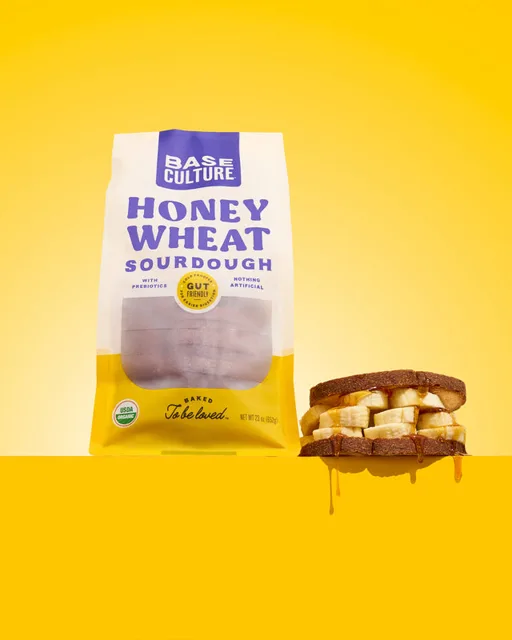
Base Culture
Honey Wheat Sourdough Bread
“Buy on Amazon” opens a reviewed product listing; “Search on Amazon” opens an Amazon search for the product, so pick the exact match yourself. Confirm the package, seller, availability, and current price before checkout. Buying links do not influence ingredient results.
A closer look at the ingredient label, checked against your personal avoid list.
Manufacturer product pageStart with what matters to you
What do you want to avoid?
Choose additive groups to check. Your choices are saved on this browser and update your ingredient results.
Your ingredient check
Checked against your 4 avoided additive groups.
Additive Check Details
This checks your selected additives in the available ingredient text. It is not a nutrition or safety rating.
Official Label Evidence
SourceIngredientsBase Culture · Honey Wheat Sourdough Bread
Organic Bread Flour, Water, Sourdough Culture (Organic Hard White Whole Wheat Flour, Water), Organic Hard White Whole Wheat Flour, Organic Honey, Organic Coconut Oil, Cultured Organic Wheat Flour, Sea Salt, Enzymes.
Our research notes
What to know before you choose this bread
The maker’s published label lists 9 ingredients, led by organic bread flour, water and sourdough culture. Worth noting: it lists added sweeteners (organic honey). None of the other additive groups we check appear. For bread, the comparison that matters most is whole grain first: the first ingredient should be a whole grain flour if you want whole-grain bread.
- Good signNone of the nine additive groups we check (seed oils, artificial dyes, MSG, artificial sweeteners, carrageenan, artificial preservatives, hydrogenated oils, corn syrups, banned-abroad additives) appear on the recorded label.
- Worth checkingLists added sweeteners: organic honey (first appears at position 5 of 9).
- Good to knowOil named on the label: organic coconut oil.
- Good to knowIngredient and allergen statements mention wheat. Always confirm the full allergen statement on the package.
May suit you if…
- You avoid all nine groups we check, from seed oils to banned-abroad additives: none appear on the recorded label.
You may prefer another option if…
- You are limiting added sugars: it lists organic honey.
- You avoid wheat: the label mentions it.
Compare this against other bread
- Whole grain first. The first ingredient should be a whole grain flour if you want whole-grain bread.
- Added sugar. Breads often list cane sugar, honey, molasses or syrups; compare grams per slice.
- Oil and preservatives. Check which oil is used and whether a mold inhibitor (such as calcium propionate) is listed.
References
- Base Culture product page Base Culture
- Whole grains Harvard T.H. Chan School of Public Health
- Whole Grain Stamp and whole-grain labeling Whole Grains Council
- Fiber Harvard T.H. Chan School of Public Health
These notes summarize the maker’s own published label and public references. They are not medical advice or a nutrition, allergy or safety rating, and the maker’s claims are not independently verified here.
Frequently Asked Questions
Same shelf. Different labels.
What else could go in your basket?
Bread options · US labels. Counts reflect your 4 selected additive groups, not a nutrition or quality ranking. Different formats and flavors can have different recipes.
 Same listed group count
 Same listed group count
 Same listed group count
 Same listed group count
 Same listed group count
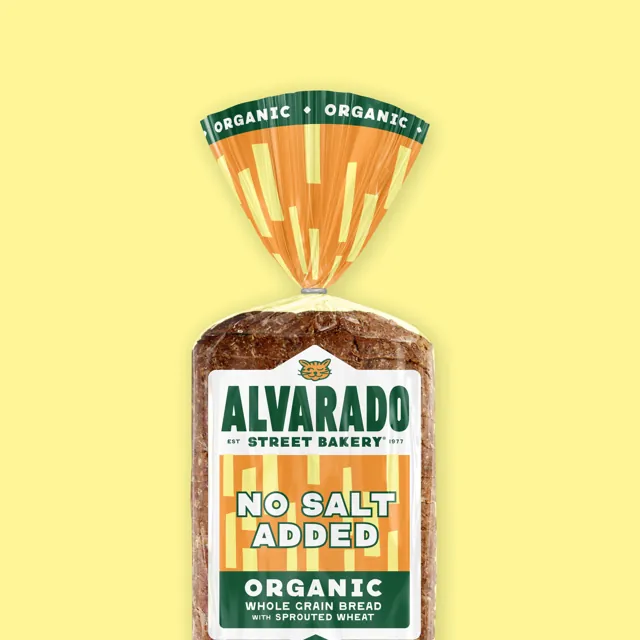 Same listed group count
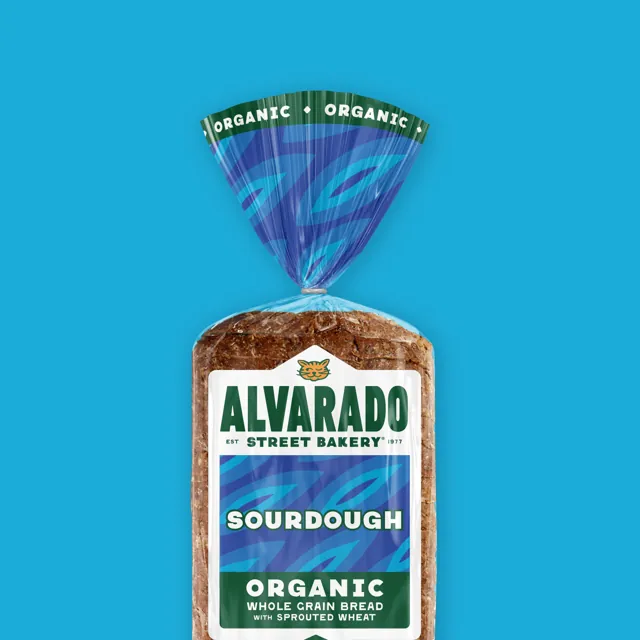 Same listed group count
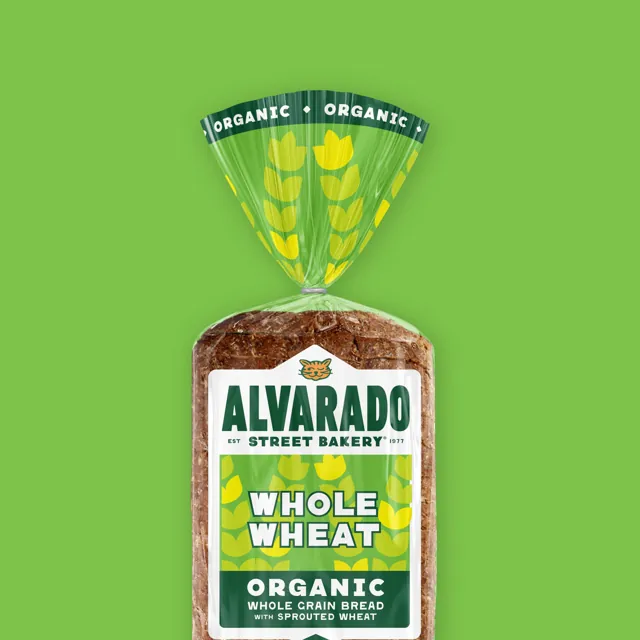 Same listed group count
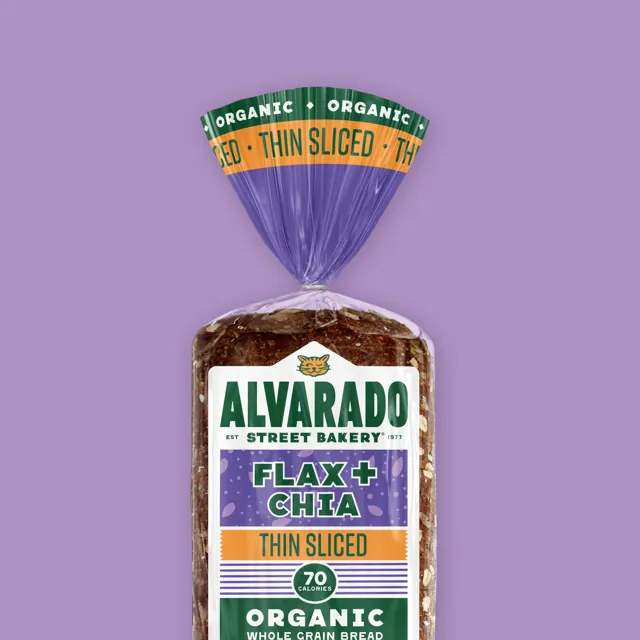 More listed groups
 More listed groups
 Same listed group count
 More listed groups
 Same listed group count
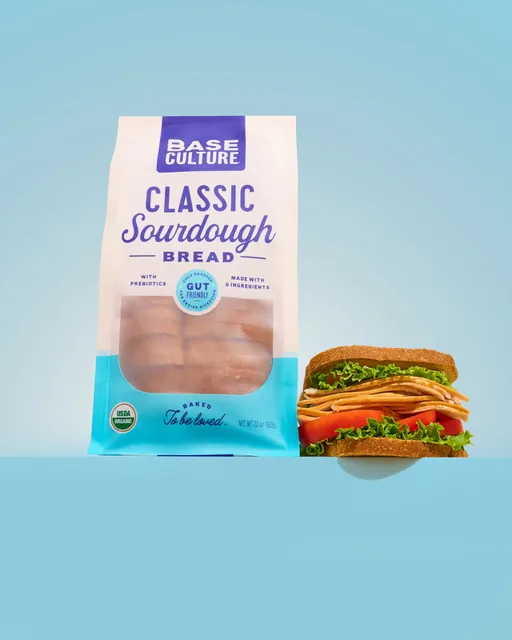 Same listed group count
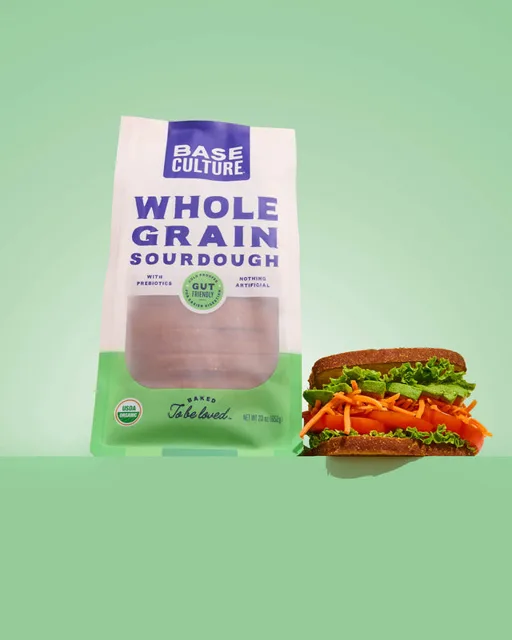 Same listed group count
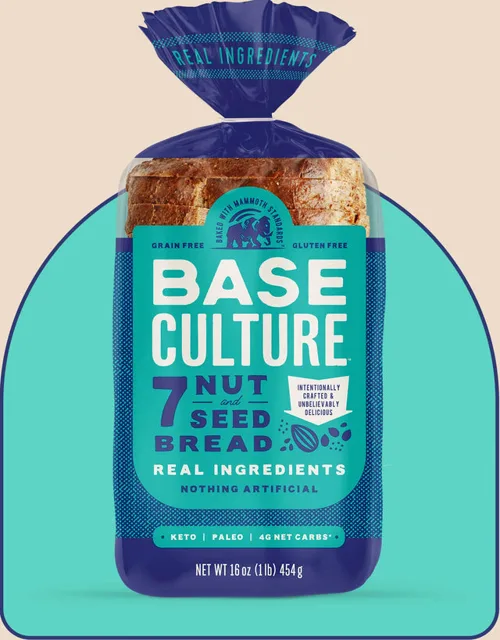 Same listed group count
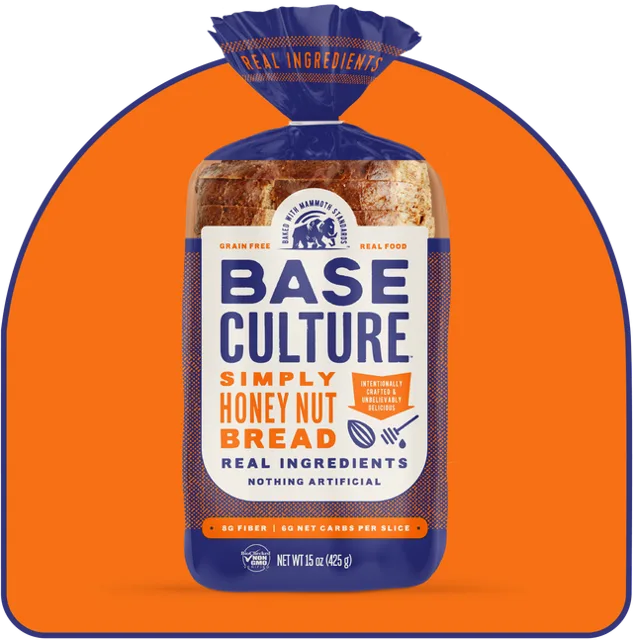 Same listed group count
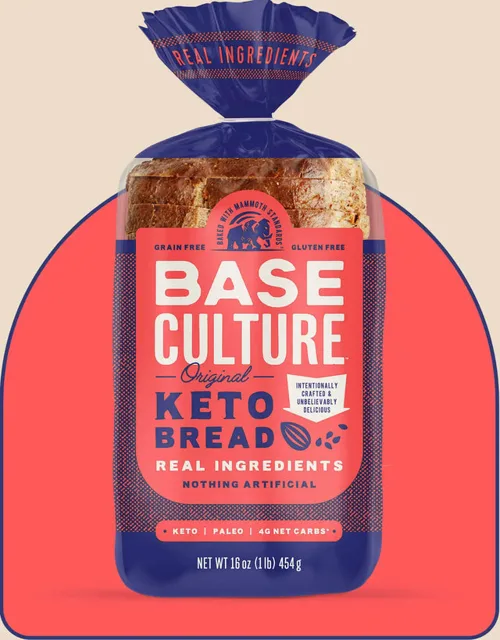 Same listed group count
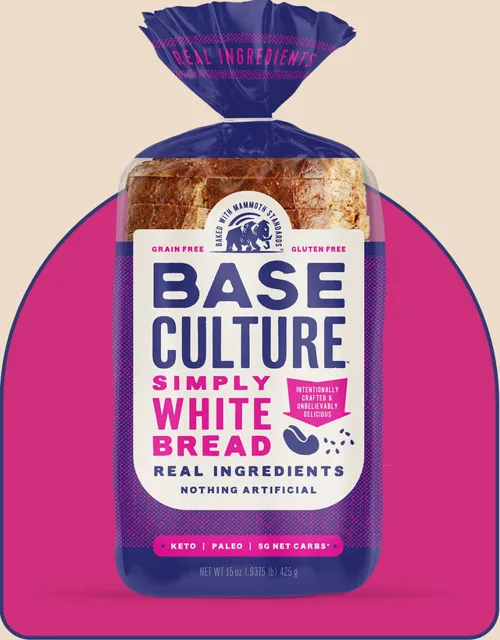 Same listed group count
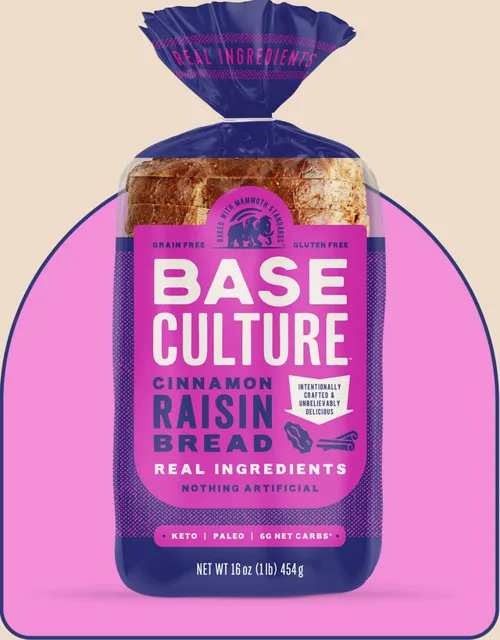 Same listed group count
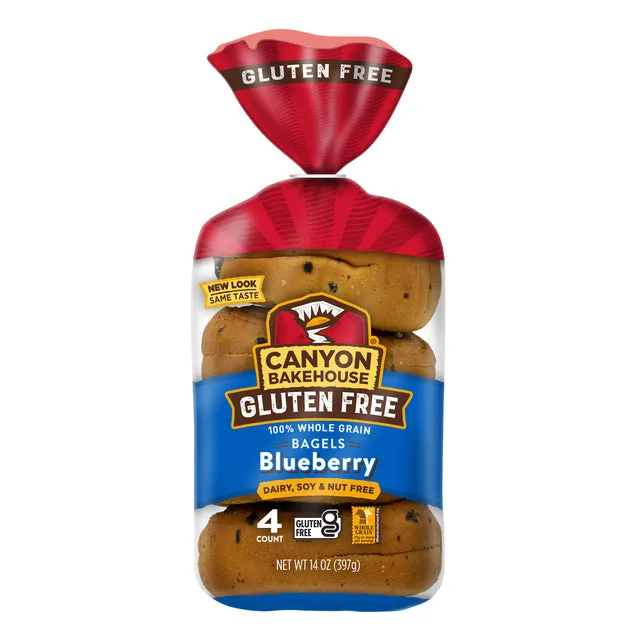 Same listed group count
 Same listed group count
 Same listed group count
 More listed groups
Showing 24 of 34 alternatives
Prices are dated observations for the stated package, exclude tax and shipping, and expire after 30 days. Ingredient evidence expires after 90 days. Unknown evidence is never ranked as fewer matches.