Pantry · Product label guide
Jam vs preserves vs jelly: the difference, and real labels compared.
Updated
Quick answer
The difference between jam and preserves is the fruit: preserves keep whole fruit or large pieces, while jam is made from crushed or chopped fruit, so it spreads more evenly. Jelly uses only fruit juice and has no pieces. In the US, jams and preserves share one FDA standard: at least 45 parts fruit to 55 parts sugar (47 for some fruits) and at least 65% soluble solids.
21 CFR 150.160: fruit preserves and jams, standard of identity (eCFR, read Nov 6, 2026) 21 CFR 150.140: fruit jelly, standard of identity (eCFR)
Picks by need · 79 current labels, checked through 2026-11-14
Best jam & fruit spreads by what you want
Top label score
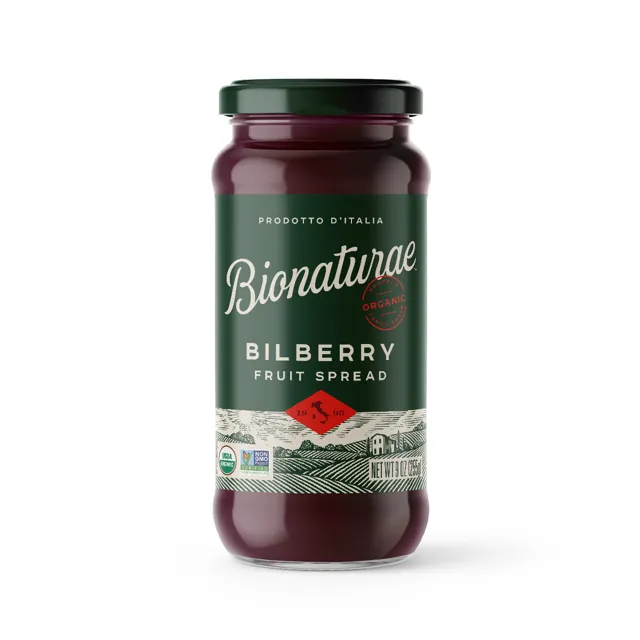 JovialOrganic Fruit Spread Bilberry100
100/100. 3 ingredients, no added oil, sweetened with juice concentrate, none of the 9 additive groups we check. Includes 25 points for a confirmed organic claim.
Find where to buy ↗Best non-organic
Photo pendingStonewall KitchenApricot Jam7171/100, the top score possible without an organic claim. 4 ingredients, no added oil, sweetened with sugar, none of the 9 additive groups we check.
No added oil or gum
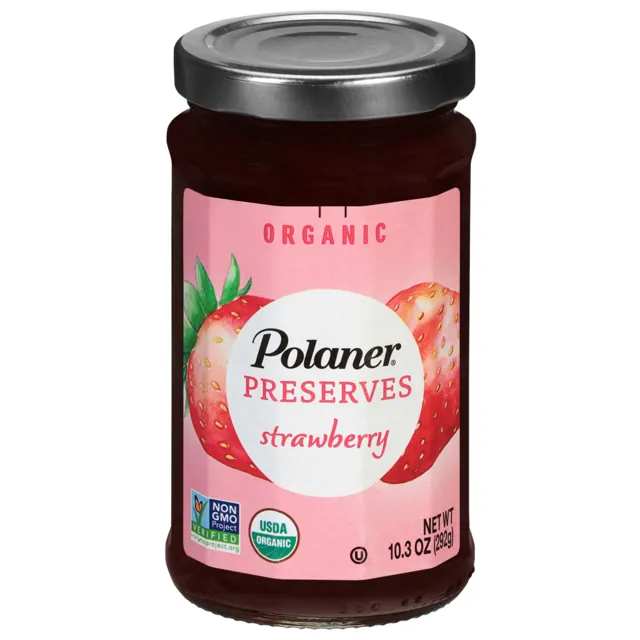 PolanerOrganic Strawberry Preserves100
100/100. 4 ingredients, none of them an oil, gum or carrageenan.
Find where to buy ↗Least sugar, if sweetened
Photo pendingDickinson'sApricot Spreadable Fruit719 g added sugar per 19 g, from the nutrition panel; 71/100.
Most flagged: Polaner Sugar-Free Strawberry Preserves with Fiber lists artificial dyes, artificial sweeteners and artificial preservatives (47/100); Smucker's Concord Grape Jam lists corn syrups (63/100); Smucker's Red Plum Jam lists corn syrups (63/100).
A 0 to 100 label score, not a nutrition rating: 60 points for nine additive groups not on the label, 25 for a confirmed organic claim.
Compare the recorded labels
Find the ingredients that matter to you.
This table holds the 12 highest-scoring of the 120 jam & fruit spreads we track. See all 120 on the shelf page, including products we cannot score until a current label is on record.
“No …” columns: None found on the label · Listed on the label · Unknown. Diet fit: Fits · Doesn’t fit · Unknown (rules; not medical advice). Claims: verified · not established. Default: most check marks first; not a health score.
| Buy | ||||||||
|---|---|---|---|---|---|---|---|---|
| 100 / 1009 of 9 groups clear · organic | Find where to buy ↗Product details → | 5 | ||||||
Recorded ingredients Organic Bilberries, Organic Apple Juice Concentrate, Natural Fruit Pectin. Label checked 2026-10-16 · US Ingredient evidence source ↗Sourcing claim evidence ↗ · reviewed 2026-10-16 Producer claims Organic The exact source catalog title states: “Organic Fruit Spread Bilberry”. Source catalog claims are shown separately from ingredient checks. Producer claim source ↗Reviewed 2026-10-16 | ||||||||
| 100 / 1009 of 9 groups clear · organic | Find where to buy ↗Product details → | 5 | ||||||
Recorded ingredients Organic Strawberries, Organic Sugar, Pectin, Citric Acid. Label checked 2026-10-17 · US Ingredient evidence source ↗Sourcing claim evidence ↗ · reviewed 2026-10-17 Producer claims Organic The exact source catalog title states: “Polaner Organic Strawberry Preserves”. Source catalog claims are shown separately from ingredient checks. Producer claim source ↗Reviewed 2026-10-17 | ||||||||
| 100 / 1009 of 9 groups clear · organic | Find where to buy ↗Product details → | 5 | ||||||
Recorded ingredients Organic Concord Grapes, Organic Sugar, Fruit Pectin, Citric Acid. Label checked 2026-10-17 · US Ingredient evidence source ↗Sourcing claim evidence ↗ · reviewed 2026-10-17 Producer claims Organic The exact source catalog title states: “Organic Concord Grape Spread”. Source catalog claims are shown separately from ingredient checks. Producer claim source ↗Reviewed 2026-10-17 | ||||||||
| 100 / 1009 of 9 groups clear · organic | Find where to buy ↗Product details → | 5 | ||||||
Recorded ingredients Organic Apricots, Organic Apple Juice Concentrate, Natural Fruit Pectin, Ascorbic Acid, Citric Acid. Label checked 2026-10-16 · US Ingredient evidence source ↗Sourcing claim evidence ↗ · reviewed 2026-10-16 Producer claims Organic The exact source catalog title states: “Organic Fruit Spread Apricot”. Source catalog claims are shown separately from ingredient checks. Producer claim source ↗Reviewed 2026-10-16 | ||||||||
| 100 / 1009 of 9 groups clear · organic | Find where to buy ↗Product details → | 5 | ||||||
Recorded ingredients Organic Peaches, Organic Apple Juice Concentrate, Natural Fruit Pectin, Ascorbic Acid, Citric Acid. Label checked 2026-10-16 · US Ingredient evidence source ↗Sourcing claim evidence ↗ · reviewed 2026-10-16 Producer claims Organic The exact source catalog title states: “Organic Fruit Spread Peach”. Source catalog claims are shown separately from ingredient checks. Producer claim source ↗Reviewed 2026-10-16 | ||||||||
| 100 / 1009 of 9 groups clear · organic | Find where to buy ↗Product details → | 5 | ||||||
Recorded ingredients Organic Sour Cherries, Organic Apple Juice Concentrate, Natural Fruit Pectin, Citric Acid, Ascorbic Acid. Label checked 2026-10-16 · US Ingredient evidence source ↗Sourcing claim evidence ↗ · reviewed 2026-10-16 Producer claims Organic The exact source catalog title states: “Organic Fruit Spread Sour Cherry”. Source catalog claims are shown separately from ingredient checks. Producer claim source ↗Reviewed 2026-10-16 | ||||||||
| 100 / 1009 of 9 groups clear · organic | Find where to buy ↗Product details → | 5 | ||||||
Recorded ingredients Organic Strawberries, Organic Apple Juice Concentrate, Natural Fruit Pectin, Ascorbic Acid, Citric Acid. Label checked 2026-10-16 · US Ingredient evidence source ↗Sourcing claim evidence ↗ · reviewed 2026-10-16 Producer claims Organic The exact source catalog title states: “Organic Fruit Spread Strawberry”. Source catalog claims are shown separately from ingredient checks. Producer claim source ↗Reviewed 2026-10-16 | ||||||||
| 100 / 1009 of 9 groups clear · organic | Find where to buy ↗Product details → | 5 | ||||||
Recorded ingredients Organic Wild Berries (Organic Blackberries, Organic Strawberries, Organic Bilberries, Organic Raspberries), Organic Apple Juice Concentrate, Natural Fruit Pectin, Ascorbic Acid, Citric Acid. Label checked 2026-10-16 · US Ingredient evidence source ↗Sourcing claim evidence ↗ · reviewed 2026-10-16 Producer claims Organic The exact source catalog title states: “Organic Fruit Spread Wild Berry”. Source catalog claims are shown separately from ingredient checks. Producer claim source ↗Reviewed 2026-10-16 | ||||||||
| 71 / 1009 of 9 groups clear · no organic claim | Find where to buy ↗Product details → | 4 | ||||||
Recorded ingredients Apricots, Sugar, Concentrated Lemon Juice, Fruit Pectin. Label checked 2026-10-16 · US Ingredient evidence source ↗Producer claims Sourcing claim not reviewed The catalog establishes this product’s name and photograph. Sourcing claims and a complete ingredient label may still need review. Producer claim source ↗Reviewed | ||||||||
| 71 / 1009 of 9 groups clear · no organic claim | Find where to buy ↗Product details → | 4 | ||||||
Recorded ingredients Blueberries, Sugar, Concentrated Lemon Juice, Fruit Pectin. Label checked 2026-10-16 · US Ingredient evidence source ↗Producer claims Sourcing claim not reviewed The catalog establishes this product’s name and photograph. Sourcing claims and a complete ingredient label may still need review. Producer claim source ↗Reviewed | ||||||||
| 71 / 1009 of 9 groups clear · no organic claim | Find where to buy ↗Product details → | 4 | ||||||
Recorded ingredients Cherries, Sugar, Concentrated Lemon Juice, Fruit Pectin. Label checked 2026-10-16 · US Ingredient evidence source ↗Producer claims Sourcing claim not reviewed The catalog establishes this product’s name and photograph. Sourcing claims and a complete ingredient label may still need review. Producer claim source ↗Reviewed | ||||||||
| 71 / 1009 of 9 groups clear · no organic claim | Find where to buy ↗Product details → | 4 | ||||||
Recorded ingredients Concord Grapes, Sugar, Brown Cane Sugar, Concentrated Lemon Juice, Fruit Pectin. Label checked 2026-10-16 · US Ingredient evidence source ↗Producer claims Sourcing claim not reviewed The catalog establishes this product’s name and photograph. Sourcing claims and a complete ingredient label may still need review. Producer claim source ↗Reviewed | ||||||||
How the clean score works
No setup needed, and strict: a full 100 needs every additive group clear and a verified organic claim (animal foods also need a verified grass-fed or pasture-raised claim; wild seafood and salt, which have no USDA organic standard, are scored without the organic points, and plant-based milks, cheeses and proteins without the feeding claim). Points: the nine additive groups (seed oils, artificial dyes, MSG, artificial sweeteners, carrageenan, artificial preservatives, hydrogenated oils, corn syrups, banned-abroad additives) share 60 points equally — not found earns a group’s full share, “may contain” earns half, listed earns 0; a verified organic claim is worth 25; a verified grass-fed or pasture-raised claim is worth 15 and counts only for animal foods. No claim, or an expired or unverified claim, earns nothing, so products without those claims cannot reach 100. Unverified or expired ingredient labels receive no score. Equal scores are equal. Equal scores are ordered by the label: no sweetener first, then less added sugar per serving, then the shorter ingredient list. Unknown and stale evidence never passes “Only show matches.” Producer claims and prices do not affect this score. This is not a nutrition, allergy, or safety rating.
As an Amazon Associate I earn from qualifying purchases. Buying links do not influence ingredient results. “Buy on Amazon” opens a reviewed product listing; “Find where to buy” opens the maker’s page. Confirm the package, seller, stock, and current price before checkout. Price observations expire after 30 days.
The full guide · Pantry
Choosing jam & fruit spreads: what to check before you buy
Choose the fruit and texture you want, such as smooth jelly, preserves with pieces or a spread for baking. Check the fruit blend, sweetener and gelling ingredients on the exact jar.
Compare added sugars and serving weights rather than relying on fruit-sweetened or reduced-sugar wording alone. Juice concentrate has different labeling uses, so read the declared added-sugars line instead of calculating it from the ingredient name.
What to compare
- Fruit and texture
- Check the fruit blend and whether you want jelly, pieces or a smooth spread.
- Declared added sugars
- Compare the panel rather than inferring sugar amounts from juice-concentrate wording.
- Serving weight
- Use equal amounts when comparing jars.
- Recipe and storage
- Check pectin, acidity ingredients and directions after opening.
Jam vs preserves vs jelly: the US definitions
The FDA defines “preserves” and “jams” in the same regulation and lets either name be used for the same food, so the rule is about fruit content rather than texture. Jelly has its own standard and is made from fruit juice. Products with less fruit or sugar than the standard, including most low-sugar jars, are sold as “fruit spread”.
| Made from | Texture | US rule | |
|---|---|---|---|
| Preserves | Whole fruit or large pieces | Chunky, fruit in a soft gel | 21 CFR 150.160: at least 45 (or 47) parts fruit per 55 parts sugar; at least 65% soluble solids |
| Jam | Crushed or chopped fruit | Thick, spreads evenly | Same standard as preserves (21 CFR 150.160) |
| Jelly | Fruit juice | Clear, firm, no pieces | 21 CFR 150.140: at least 45 parts juice per 55 parts sugar; at least 65% soluble solids |
| Fruit spread | Fruit, often with juice concentrate or less sugar | Varies | Not covered by the jam standard; often lower in sugar or sweetened with juice concentrate |
What jam and preserves labels actually list
We read the 64 current ingredient labels on our jam shelf whose names say preserves, jam, jelly, marmalade or fruit spread. Most list fruit first and add pectin to set; the bigger difference between jars is the sweetener, so compare sugar, corn syrup and juice concentrate on the label rather than the name.
| Type | Labels | List pectin | List corn syrup or HFCS | Sweetener listed first |
|---|---|---|---|---|
| Preserves | 25 | 16 of 25 | 1 of 25 | 0 of 25 |
| Jam | 8 | 8 of 8 | 6 of 8 | 0 of 8 |
| Jelly | 4 | 4 of 4 | 2 of 4 | 0 of 4 |
| Marmalade | 5 | 2 of 5 | 1 of 5 | 2 of 5 |
| Fruit spread | 22 | 22 of 22 | 0 of 22 | 0 of 22 |
Jam brands compared: sugar source, corn syrup, pectin and fruit first
Every jam, preserve, jelly and fruit spread brand with at least two current labels on our shelf, counted from the ingredient lists. “Fruit first” means fruit (not juice concentrate or sugar) is the first ingredient, so the jar is mostly fruit by weight. The sweetener and corn syrup columns show which jars use cane sugar, juice concentrate, high fructose corn syrup or regular corn syrup.
| Brand | Labels | Fruit first | Sweetened with | Corn syrup or HFCS | Pectin | Score range |
|---|---|---|---|---|---|---|
| Bonne Maman | 20 | 18 of 20 | Sugar | 0 of 20 | 20 of 20 | 71 |
| Sarabeth's | 12 | 12 of 12 | Sugar | 0 of 12 | 0 of 12 | 71 |
| Polaner | 10 | 3 of 10 | Sugar, Fruit juice concentrate, High fructose corn syrup, Corn syrup, Sugar alcohol or sucralose | 2 of 10 | 10 of 10 | 47 to 100 |
| Crofter's | 8 | 7 of 8 | Sugar | 0 of 8 | 8 of 8 | 71 |
| Smucker's | 8 | 8 of 8 | Sugar, High fructose corn syrup, Corn syrup | 6 of 8 | 8 of 8 | 63 to 71 |
| Welch's | 8 | 8 of 8 | Sugar, Fruit juice concentrate, High fructose corn syrup, Corn syrup | 4 of 8 | 8 of 8 | 63 to 100 |
| Jovial | 6 | 6 of 6 | Fruit juice concentrate | 0 of 6 | 6 of 6 | 100 |
| Dalmatia | 2 | 2 of 2 | Sugar | 0 of 2 | 2 of 2 | 71 |
| Dickinson's | 2 | 0 of 2 | Fruit juice concentrate | 0 of 2 | 2 of 2 | 71 |
| Stonewall Kitchen | 2 | 2 of 2 | Sugar | 0 of 2 | 2 of 2 | 71 |
Your preferences, explained
The clean score is strict and needs no setup: nine additive groups not found in a current ingredient statement, plus a verified organic claim (and a grass-fed or pasture-raised claim for animal foods), are needed for 100; a possible match earns half and a missing claim earns nothing. Missing or expired evidence stays unknown. It does not assess nutrition, allergies, contaminants, or safety.
References
- Added sugars on the Nutrition Facts label U.S. Food and Drug Administration
- Serving size and servings per container U.S. Food and Drug Administration
- Nutrition Facts labeling: added-sugar definitions and juice-concentrate exceptions U.S. Food and Drug Administration
- 21 CFR 150.160: Fruit preserves and jams Electronic Code of Federal Regulations
- Added sugars American Heart Association
- Making jams and jellies National Center for Home Food Preservation (University of Georgia)
An ingredient check is not a nutrition, contaminant, allergy or safety assessment. How we verify labels →
Watch
The videos about this page

