Additive guides · Product label guide
Emulsifiers in food: ranked by label count, with what the gut studies do and do not show.
Updated
The emulsifiers on food labels ranked by how many labels list each: lecithin, mono and diglycerides, polysorbate 80, carrageenan. FDA status and a cautious summary of the gut microbiome studies.
Quick answer
Emulsifiers keep oil and water mixed in chocolate, bread, ice cream and dressings. The most common on our labels are lecithin and mono and diglycerides; polysorbate 80 and carrageenan are less common. The checker flags carrageenan, not the others. Gut-microbiome studies on some emulsifiers are early: mostly mouse work and one small human feeding study.
- Lecithin
- 389 labels
- Mono and diglycerides
- 118 labels
- Polysorbate 80
- 14 labels
- Carrageenan
- 55 labels
01 · A closer look
What an emulsifier does.
Oil and water separate. An emulsifier has one end that likes water and one that likes fat, so it holds the two together. That is why chocolate stays smooth, bread stays soft and salad dressing does not split on the shelf.
02 · A closer look
Lecithin and mono and diglycerides.
Lecithin (from soy or sunflower) and mono and diglycerides are the workhorses. The FDA affirms lecithin under 21 CFR 184.1400 and mono and diglycerides under 21 CFR 184.1505, both as generally recognized as safe. Mono and diglycerides are made from fats and are used mostly in bread, ice cream and peanut butter.
21 CFR 184.1505: mono- and diglycerides03 · A closer look
Polysorbate 80 and carrageenan.
Polysorbate 80 is permitted in frozen desserts such as ice cream at up to 0.1 percent of the finished product under 21 CFR 172.840. Carrageenan is a seaweed extract used as a thickener and has its own guide; our checker flags it.
21 CFR 172.840: polysorbate 8004 · A closer look
What the gut studies show.
In 2015 Chassaing and colleagues reported that polysorbate 80 and carboxymethylcellulose, fed to mice at doses well above typical human intake, changed the gut microbiota and promoted colitis and metabolic syndrome. A 2022 randomized controlled-feeding study in healthy adults found that carboxymethylcellulose modestly changed the gut microbiota and increased abdominal discomfort in a small group. These are early findings in animals and small trials, and they do not show harm from the amounts in ordinary foods. No health authority has used them to ban either emulsifier.
Chassaing et al., Dietary emulsifiers impact the mouse gut microbiota promoting colitis and metabolic syndrome, Nature (2015)05 · A closer look
How our checker treats them.
Only carrageenan is flagged. Lecithin, mono and diglycerides and polysorbate 80 are counted here for transparency but do not change a score. If you want fewer emulsifiers, compare the ingredient lists on one shelf, because a short list usually has none.
From the catalog · 12 labels
Emulsifier ranking in our catalog
These are the emulsifiers we count, from most to least common on current, complete labels. Open any product below to see its full label.
| Emulsifier | Labels | Share of current labels |
|---|---|---|
| Lecithin | 389 | 8.2% |
| Mono and diglycerides | 118 | 2.5% |
| Carrageenan | 55 | 1.2% |
| Polysorbate 80 and other polysorbates | 14 | 0.3% |
 Nuts.comOrganic Dark Chocolate-Dipped Mango
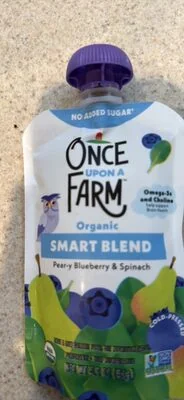 Once Upon a FarmOrganic Smart Blend Pouch – Pear-y Blueberry & Spinach
 ShopRiteOrganic, Dairy Free Plant-based Buttery Sticks
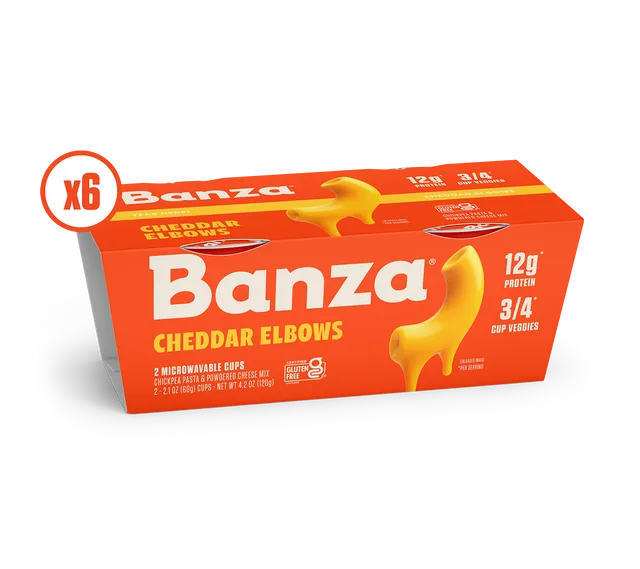 BanzaMicrowavable Mac & Cheese
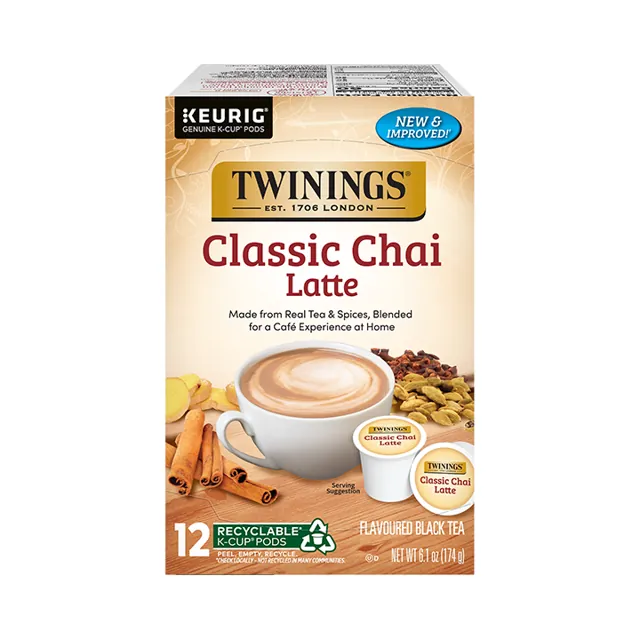 TwiningsChai Latte K-Cup Pods
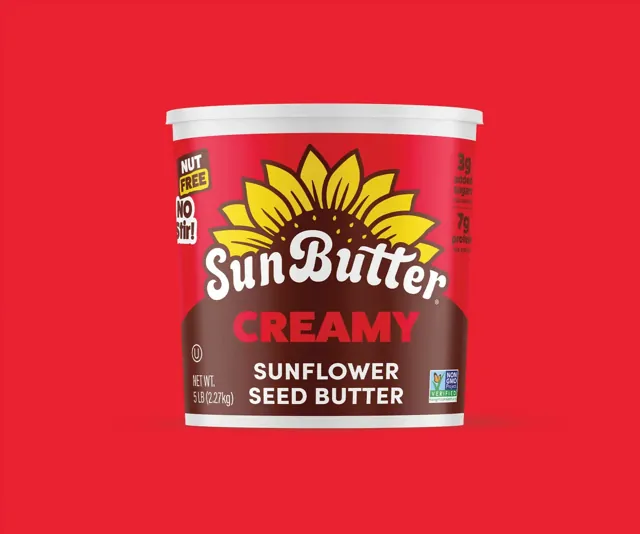 SunButterCreamy SunButter Tubs
 Lean CuisineCreamy Mac and Cheese Cauli' Bowls
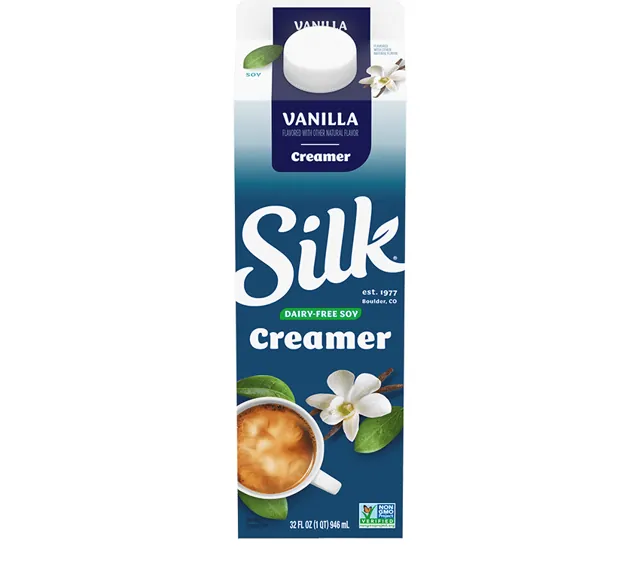 SilkSoy Creamer, Vanilla
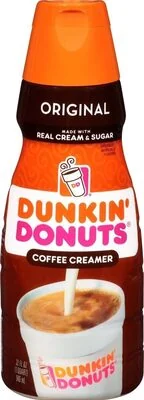 DunkinOriginal Coffee Creamer
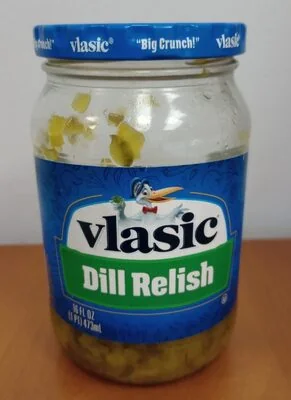 VlasicDill Relish
 DarigoldCottage Cheese
 Dutch FarmsCottage Cheese
The short answer
Our picks for emulsifiers in food
WinnersSunButter Creamy SunButter Tubs, Wholesome Provisions Fettuccine Low Carb Pasta, and Banza Microwavable Mac & Cheese each score 71/100 (no verified organic claim). They tie, so choose on the exact flavor or format you want.
No 100 yetNothing on this shelf reaches 100 yet. A 100 needs a label with none of the nine groups we check plus a verified organic claim (and, for animal foods, a verified grass-fed or pasture-raised claim), and none of the 9 labels we have verified here meets all of that. These are the best available picks, not a perfect score.
Clear noDutch Farms Cottage Cheese (lists carrageenan and artificial preservatives), Darigold Cottage Cheese (lists carrageenan), Dunkin Original Coffee Creamer (lists carrageenan), plus 3 more with a listed group.
Ranked from 9 of 9 products with current labels. Every product is in the table below; a score reflects labels and claims, not nutrition, allergies or safety.
Compare the recorded labels
Find the ingredients that matter to you.
“No …” columns: None found on the label · Listed on the label · Unknown. Diet fit: Fits · Doesn’t fit · Unknown (rules; not medical advice). Claims: verified · not established. Default: most check marks first; not a health score.
| Buy | ||||||||||
|---|---|---|---|---|---|---|---|---|---|---|
| 71 / 1009 of 9 groups clear · no organic claim | Find where to buy ↗Product details → | 4 | ||||||||
Recorded ingredients Chickpea Pasta (Chickpeas, Pea Starch, Tapioca, Xanthan Gum), Cheddar Cheese (Pasteurized Milk, Salt, Cultures, Enzymes), Buttermilk, Tapioca Starch, Cornstarch, 2% or less of Butter (Cream, Salt, Annatto Extract), Natural Flavor, Salt, Nonfat Milk, Potassium Chloride, Sunflower Lecithin, Monoglycerides, Sodium Phosphate, Xanthan Gum, Lactic Acid, Paprika Extract (Color). Label checked 2026-10-11 · US Ingredient evidence source ↗Producer claims Sourcing claim not reviewed The catalog establishes this product’s name and photograph. Sourcing claims and a complete ingredient label may still need review. Producer claim source ↗Reviewed | ||||||||||
| 71 / 1009 of 9 groups clear · no organic claim | Find where to buy ↗Product details → | 4 | ||||||||
Recorded ingredients Roasted Sunflower Seeds, Sugar, Mono & diglycerides, Salt. Label checked 2026-10-11 · US Ingredient evidence source ↗Producer claims Sourcing claim not reviewed The catalog establishes this product’s name and photograph. Sourcing claims and a complete ingredient label may still need review. Producer claim source ↗Reviewed | ||||||||||
| 71 / 1009 of 9 groups clear · no organic claim | Find where to buy ↗Product details → | 4 | ||||||||
Recorded ingredients Modified Wheat Starch, Wheat protein, acacia fiber, Wheat fiber, pea protein, Egg white powder, emulsifiers (mono-and diglycerides of fatty acids, sunflower lecithin), thickener (guar gum). Label checked 2026-10-16 · US Ingredient evidence source ↗Producer claims Sourcing claim not reviewed The catalog establishes this product’s name and photograph. Sourcing claims and a complete ingredient label may still need review. Producer claim source ↗Reviewed | ||||||||||
| 63 / 1008 of 9 groups clear · no organic claim | Product details → | 4 | ||||||||
Recorded ingredients SKIM MILK, CANE SUGAR, CREAM, CONTAINS 2% OR LESS OF: PALM OIL, POTASSIUM CITRATE, NATURAL FLAVOR, CARRAGEENAN, DIPOTASSIUM PHOSPHATE Label checked 2026-10-16 · US Source: USDA FoodData Central ↗ · FDC ID 2564903 · data date 2023-06-29 · release 2026-04-30. Brand-submitted label record, public domain (CC0). | ||||||||||
| 63 / 1008 of 9 groups clear · no organic claim | Product details → | 4 | ||||||||
Recorded ingredients CAULIFLOWER PASTA (WATER, TAPIOCA STARCH, CAULIFLOWER, KONJAC FLOUR, ARROWROOT STARCH, EGGS, XANTHAN GUM, CARRAGEENAN), SKIM MILK, WATER, CHEDDAR CHEESE (CULTURED MILK, SALT, ENZYMES, ANNATTO COLOR), REDUCED FAT VERMONT CHEDDAR CHEESE (CULTURED LOW FAT MILK, SALT, ENZYMES, VITAMIN A PALMITATE), 2% OR LESS OF MODIFIED CORNSTARCH, CHEDDAR CLUB CHEESE (CHEDDAR CHEESE [CULTURED MILK, SALT, ENZYMES], WATER, SALT, ANNATTO COLOR), SALT, POTASSIUM CHLORIDE, ONION POWDER, SPICE Label checked 2026-10-16 · US Source: USDA FoodData Central ↗ · FDC ID 2594422 · data date 2023-07-13 · release 2026-04-30. Brand-submitted label record, public domain (CC0). | ||||||||||
| 63 / 1008 of 9 groups clear · no organic claim | Find where to buy ↗Product details → | 4 | ||||||||
Recorded ingredients SOYMILK (FILTERED WATER, WHOLE SOYBEANS), CANE SUGAR, PALM OIL, MALTODEXTRIN, SOY LECITHIN, NATURAL FLAVORS, DIPOTASSIUM PHOSPHATE, TAPIOCA STARCH, CARRAGEENAN. Label checked 2026-10-16 · US Source: USDA FoodData Central ↗ · FDC ID 2265512 · data date 2022-05-23 · release 2026-04-30. Brand-submitted label record, public domain (CC0). | ||||||||||
| 63 / 1008 of 9 groups clear · no organic claim | Product details → | 3 | ||||||||
Recorded ingredients CUCUMBERS, WATER, DISTILLED VINEGAR, SALT, CONTAINS LESS THAN 2% OF: DEHYDRATED RED PEPPER, XANTHAN GUM, ALUM, NATURAL FLAVOR, POLYSORBATE 80, YELLOW 5, CALCIUM CHLORIDE. Label checked 2026-10-16 · US Source: USDA FoodData Central ↗ · FDC ID 2601817 · data date 2023-07-13 · release 2026-04-30. Brand-submitted label record, public domain (CC0). | ||||||||||
| 53 / 1008 of 9 groups clear · no organic claim | Product details → | 4 | ||||||||
Recorded ingredients CULTURED NONFAT MILK, MILK, WHEY, SALT, GUAR GUM, CITRIC ACID, CARRAGEENAN, LOCUST BEAN GUM, POLYSORBATE 80, ACETYLATED MONOGLYCERIDES, NATURAL FLAVOR, VITAMIN A PALMITATE*, ENZYMES, CARBON DIOXIDE (TO HELP PROTECT FLAVOR). Label checked 2026-10-20 · US Source: USDA FoodData Central ↗ · FDC ID 2658102 · data date 2023-10-26 · release 2026-04-30. Brand-submitted label record, public domain (CC0). | ||||||||||
| 47 / 1007 of 9 groups clear · no organic claim | Find where to buy ↗Product details → | 4 | ||||||||
Recorded ingredients PASTEURIZED CULTURED SKIM MILK, MILK, CREAM, SALT, GULAR GUM, MONO & DIGLYCERIDES, CARRAGEENAN, POLYSORBATE 80, XANTHAN GUM, LOCUST BEAN GUM, POTASSIUM SORBATE (TO PRESERVE FRESHNESS), CITRIC ACID AND ENZYMES. Label checked 2026-10-20 · US Source: USDA FoodData Central ↗ · FDC ID 2025330 · data date 2021-10-28 · release 2026-04-30. Brand-submitted label record, public domain (CC0). | ||||||||||
How the clean score works
No setup needed, and strict: a full 100 needs every additive group clear and a verified organic claim (animal foods also need a verified grass-fed or pasture-raised claim; wild seafood and salt, which have no USDA organic standard, are scored without the organic points, and plant-based milks, cheeses and proteins without the feeding claim). Points: the nine additive groups (seed oils, artificial dyes, MSG, artificial sweeteners, carrageenan, artificial preservatives, hydrogenated oils, corn syrups, banned-abroad additives) share 60 points equally — not found earns a group’s full share, “may contain” earns half, listed earns 0; a verified organic claim is worth 25; a verified grass-fed or pasture-raised claim is worth 15 and counts only for animal foods. No claim, or an expired or unverified claim, earns nothing, so products without those claims cannot reach 100. Unverified or expired ingredient labels receive no score. Equal scores are equal. Ties are ordered by brand. Unknown and stale evidence never passes “Only show matches.” Producer claims and prices do not affect this score. This is not a nutrition, allergy, or safety rating.
As an Amazon Associate I earn from qualifying purchases. Buying links do not influence ingredient results. “Buy on Amazon” opens a reviewed product listing; “Find where to buy” opens the maker’s page. Confirm the package, seller, stock, and current price before checkout. Price observations expire after 30 days.
Primary sources
Sources
- 21 CFR 184.1400: lecithin law.cornell.edu
- 21 CFR 184.1505: mono- and diglycerides law.cornell.edu
- 21 CFR 172.840: polysorbate 80 law.cornell.edu
- Chassaing et al., Dietary emulsifiers impact the mouse gut microbiota promoting colitis and metabolic syndrome, Nature (2015) doi.org
- Chassaing et al., Randomized controlled-feeding study of dietary emulsifier carboxymethylcellulose, Gastroenterology 162(3):743-756 (2022) doi.org