Additive guides · Product label guide
Sunflower lecithin vs soy lecithin: source, allergen labeling and where each shows up.
Updated
Sunflower lecithin and soy lecithin do the same job as emulsifiers. How they differ on a label, how allergen rules treat each, and which shelves list them.
Quick answer
Lecithin is an emulsifier that keeps oil and water mixed. Soy lecithin comes from soybeans and sunflower lecithin from sunflower seeds. Both are used the same way, but soy is a major food allergen that US labels must declare, and sunflower is not on that list. Soy lecithin is far more common on labels; sunflower lecithin is the swap shoppers look for.
- FDA status
- GRAS, 21 CFR 184.1400
- Soy lecithin
- 249 current labels
- Sunflower lecithin
- 126 current labels
- Our checker
- Neither flagged
01 · A closer look
The same job from two plants.
Lecithin is a mix of fatty substances (phospholipids) that helps oil and water blend, which is why it appears in chocolate, bread, nut butter and protein powder. Soy lecithin is extracted from soybean oil during refining, and sunflower lecithin is extracted from sunflower seeds. The FDA affirms lecithin as generally recognized as safe under 21 CFR 184.1400.
21 CFR 184.1400: lecithin02 · A closer look
Side by side.
The difference you can see on a label is the source word and the allergen line.
| Soy lecithin | Sunflower lecithin | |
|---|---|---|
| Source | Soybeans | Sunflower seeds |
| US allergen labeling | Soy is a major allergen, so the label must declare it | Sunflower is not one of the major allergens |
| Label wording | “soy lecithin”, “soya lecithin” | “sunflower lecithin” |
| Checker | Not flagged | Not flagged |
| Where you see it | Chocolate, bars, bread, dressings | Natural and organic brands, nut butters, supplements |
03 · A closer look
What allergen rules say.
Under FALCPA and its later update, the major food allergens are milk, eggs, fish, crustacean shellfish, tree nuts, peanuts, wheat, soybeans and sesame. A food made with soy lecithin must say so. Sunflower is not on the list, so a sunflower lecithin label has no allergen line for it. People with allergies should rely on the maker’s statement and a clinician, not on a general guide.
FDA: Food Allergen Labeling and Consumer Protection Act of 2004 (FALCPA)04 · A closer look
How our checker treats them.
Neither lecithin is one of the nine groups the checker flags, so choosing one over the other does not change a score. If you are swapping for personal reasons, the comparison below shows which shelves have sunflower versions to choose.
From the catalog · 8 labels
Sunflower lecithin in our catalog
Of the 4,729 products whose full ingredient list we have read in the last 90 days, 126 (from 63 brands) list sunflower lecithin. It is the less common of the two. Below are up to 8 of them, one per brand; open a product to see its full label and the date we read it.
| Labels | |
|---|---|
| Current, complete labels checked | 4,729 |
| List sunflower lecithin | 126 (2.7%) |
| Of those, no additive group flagged by the checker | 59 of 126 |
| Also flagged: Seed Oils | 60 of 126 |
| Also flagged: Artificial Sweeteners | 11 of 126 |
| Also flagged: Corn Syrups | 4 of 126 |
| Soy lecithin labels, for comparison | 249 |
| Cookies shelf: soy lecithin / sunflower lecithin | 56 / 4 |
| Chocolate shelf: soy lecithin / sunflower lecithin | 30 / 12 |
| Snack bars shelf: soy lecithin / sunflower lecithin | 27 / 17 |
| Bread shelf: soy lecithin / sunflower lecithin | 19 / 4 |
| Frozen pizza shelf: soy lecithin / sunflower lecithin | 19 / 3 |
| Labels on the Snack bars shelf | 17 |
| Labels on the Dairy alternatives: butter & cheese shelf | 16 |
| Labels on the Protein powders shelf | 13 |
| Labels on the Chocolate shelf | 12 |
| Labels on the Dairy alternatives: plant milks shelf | 10 |
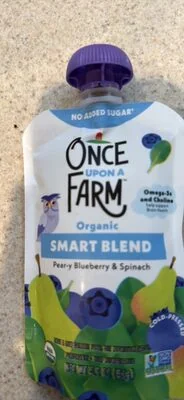 Once Upon a FarmOrganic Smart Blend Pouch – Pear-y Blueberry & Spinach
 ShopRiteOrganic, Dairy Free Plant-based Buttery Sticks
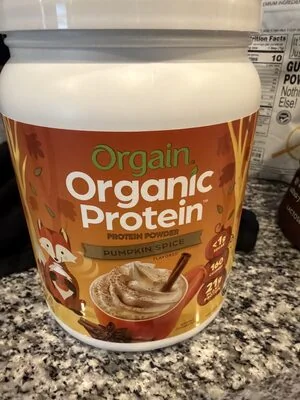 OrgainPumpkin Spice Organic Protein Powder
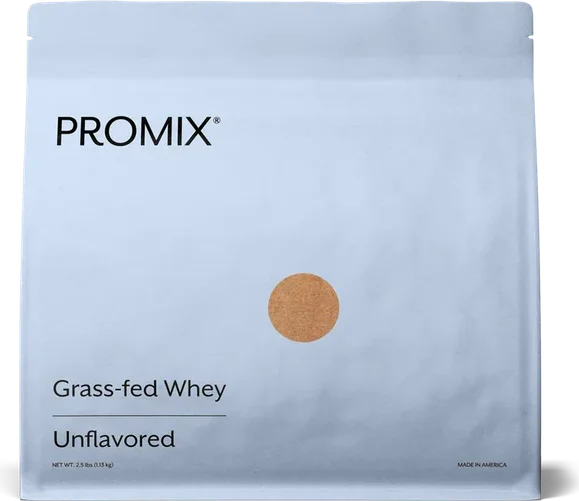 PromixWhey Protein Powder, Unflavored
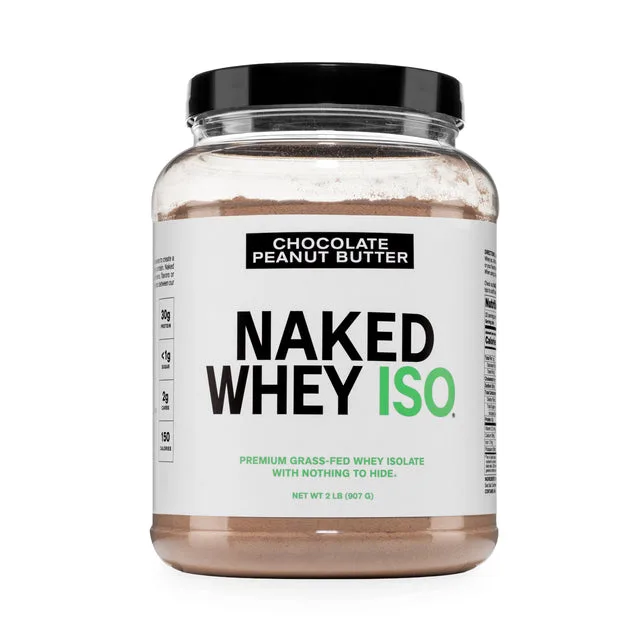 Naked NutritionChocolate Peanut Butter Grass-Fed Whey Isolate Protein Powder
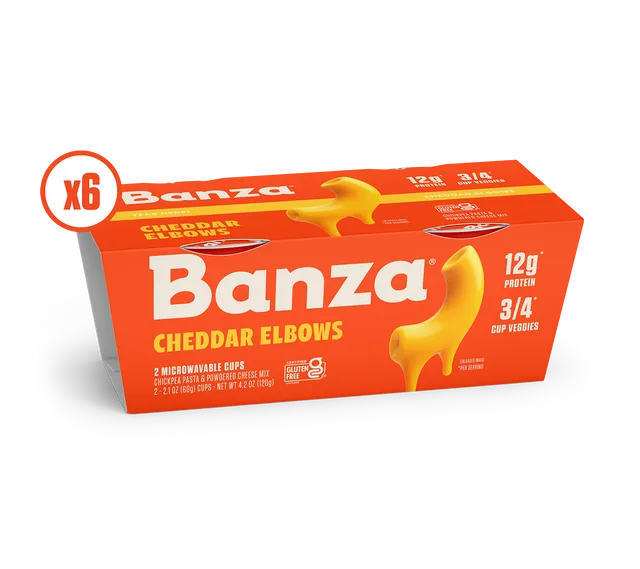 BanzaMicrowavable Mac & Cheese
 LakantoDark Chocolate Peanut Butter Cups
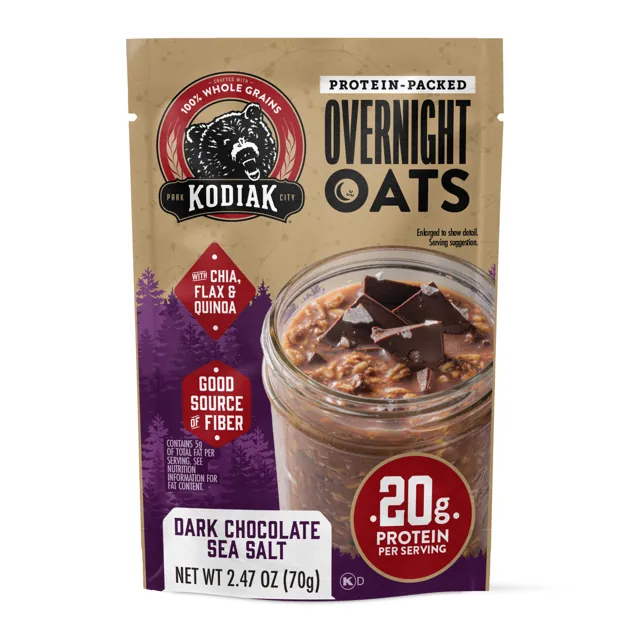 Kodiak CakesDark Chocolate Sea Salt Overnight Oats
From the catalog · 8 labels
Soy lecithin in our catalog
Of the 4,729 products whose full ingredient list we have read in the last 90 days, 249 (from 150 brands) list soy lecithin. Below are up to 8 of them, one per brand; open a product to see its full label and the date we read it.
| Labels | |
|---|---|
| Current, complete labels checked | 4,729 |
| List soy lecithin | 249 (5.3%) |
| Of those, no additive group flagged by the checker | 60 of 249 |
| Also flagged: Seed Oils | 160 of 249 |
| Also flagged: Corn Syrups | 60 of 249 |
| Also flagged: Artificial Preservatives | 54 of 249 |
| Labels on the Cookies shelf | 56 |
| Labels on the Chocolate shelf | 30 |
| Labels on the Snack bars shelf | 27 |
| Labels on the Bread shelf | 19 |
| Labels on the Frozen pizza shelf | 19 |
 Nuts.comOrganic Dark Chocolate-Dipped Mango
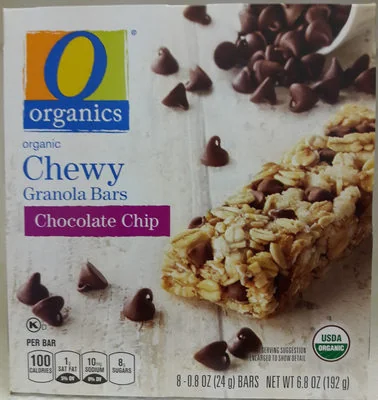 O OrganicsChocolate Chip Organic Chewy Granola Bars
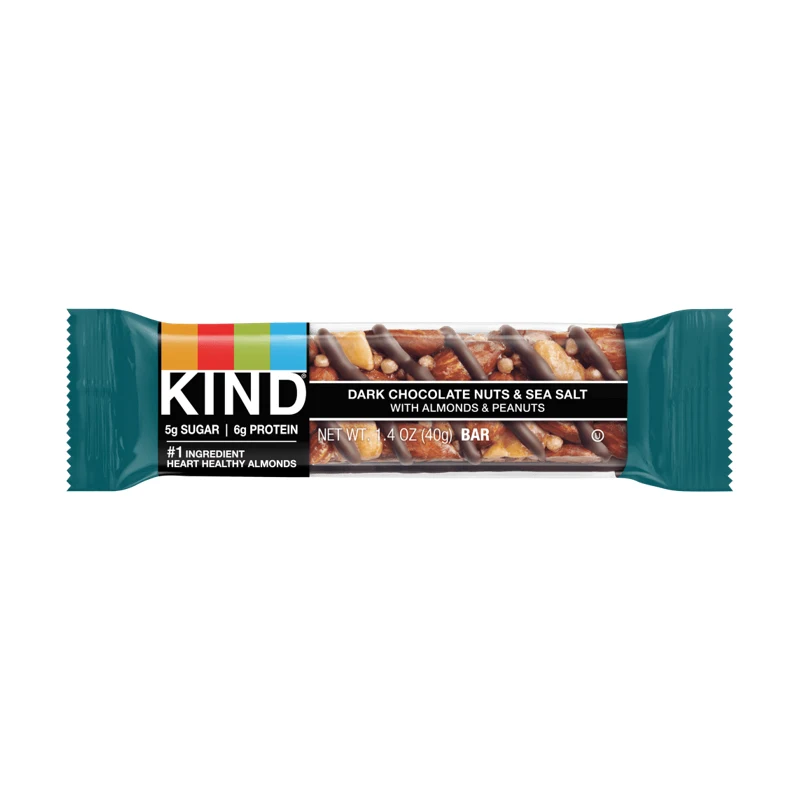 KINDDark Chocolate Nuts & Sea Salt Bars
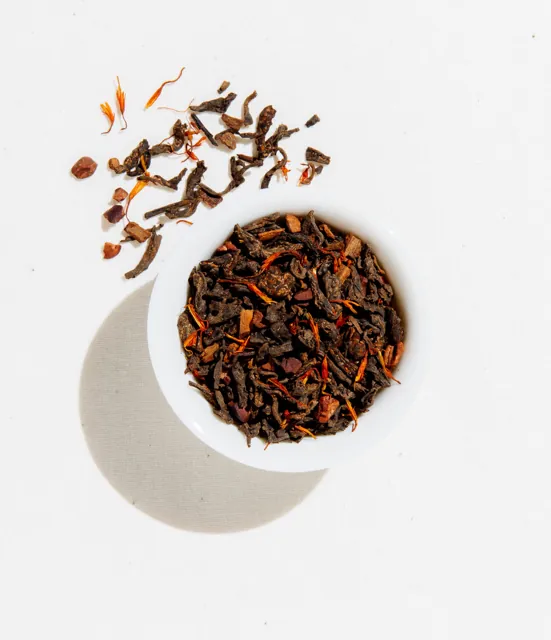 Art of TeaAztec Spice Tea
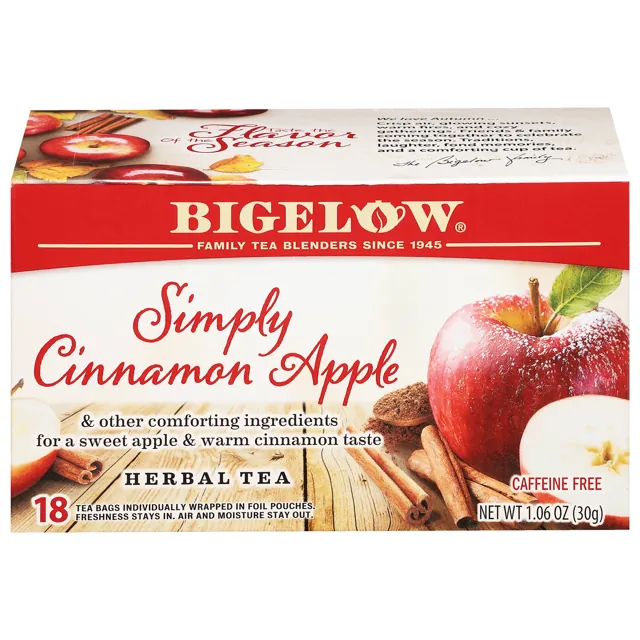 Bigelow TeaSimply Cinnamon Apple Herbal Tea
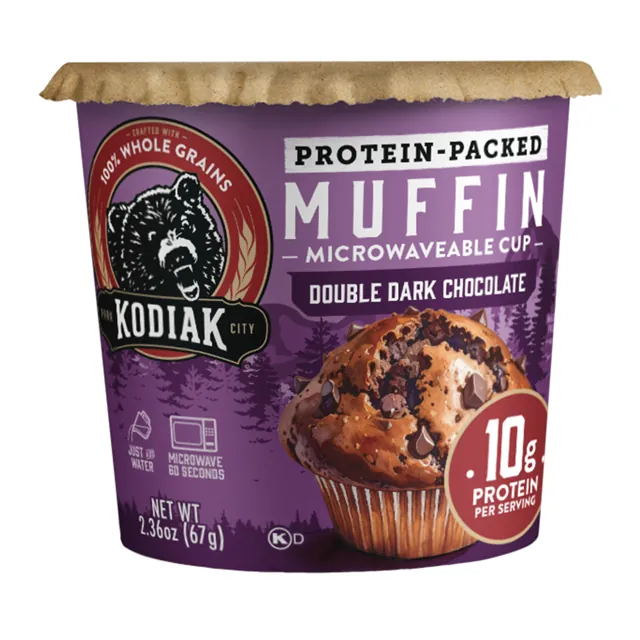 Kodiak CakesDouble Dark Chocolate Muffin Cup
 Endangered Species ChocolatePeppermint Crunch + 72% Dark Chocolate – Holiday Limited Edition
 SkinnyDippedPumpkin Spice Almonds
The short answer
Our picks for sunflower lecithin vs soy lecithin
WinnersNuts.com Organic Dark Chocolate-Dipped Mango, ShopRite Organic, Dairy Free Plant-based Buttery Sticks, and Once Upon a Farm Organic Smart Blend Pouch – Pear-y Blueberry & Spinach each score 100/100. They tie, so choose on the exact flavor or format you want.
Runners-upPromix Whey Protein Powder, Unflavored (75), Naked Nutrition Chocolate Peanut Butter Grass-Fed Whey Isolate Protein Powder (75), and Bigelow Tea Simply Cinnamon Apple Herbal Tea (71).
Clear noOrgain Pumpkin Spice Organic Protein Powder (lists seed oils) and O Organics Chocolate Chip Organic Chewy Granola Bars (lists seed oils).
Ranked from 10 of 10 products with current labels. Every product is in the table below; a score reflects labels and claims, not nutrition, allergies or safety.
Compare the recorded labels
Find the ingredients that matter to you.
“No …” columns: None found on the label · Listed on the label · Unknown. Diet fit: Fits · Doesn’t fit · Unknown (rules; not medical advice). Claims: verified · not established. Default: most check marks first; not a health score.
| Buy | ||||||||||
|---|---|---|---|---|---|---|---|---|---|---|
| 100 / 1009 of 9 groups clear · organic | Find where to buy ↗Product details → | 5 | ||||||||
Recorded ingredients Organic Dark Chocolate (Organic Sugar, Organic Chocolate Liquor, Organic Cocoa Butter, Organic Soy Lecithin, Organic Vanilla Flavor (Milk)), Organic Mango. Label checked 2026-10-16 · US Ingredient evidence source ↗Sourcing claim evidence ↗ · reviewed 2026-10-16 Producer claims Organic The exact source catalog title states: “Organic Dark Chocolate-Dipped Mango”. Source catalog claims are shown separately from ingredient checks. Producer claim source ↗Reviewed 2026-10-16 | ||||||||||
| 100 / 1009 of 9 groups clear · organic | Product details → | 5 | ||||||||
Recorded ingredients Pear, Blueberry, Pumpkin Seed, Coconut Milk ( Coconut, Water), Lemon Juice, Spinach, Date, Sunflower Lecithin+, Flax Seed+,DHA Algal Oil+ ( Water Extracted Omega 3 Oil. Organic + For Brain Development Label checked 2026-10-16 · US Source: USDA FoodData Central ↗ · FDC ID 2757046 · data date 2026-04-23 · release 2026-04-30. Brand-submitted label record, public domain (CC0). Sourcing claim evidence ↗ · reviewed 2026-10-16 | ||||||||||
| 100 / 1009 of 9 groups clear · organic | Product details → | 5 | ||||||||
Recorded ingredients EXPELLER-PRESSED ORGANIC OIL BLEND (COCONUT, HI-OLEIC SUNFLOWER, SUSTAINABLE ETHICAL PALM FRUIT+) WATER, SEA SALT, SUNFLOWER LECITHIN, ORGANIC NATURAL FLAVOR, TOCOPHEROLS, ORGANIC ANNATTO EXTRACT COLOR. Label checked 2026-10-18 · US Source: USDA FoodData Central ↗ · FDC ID 2415693 · data date 2022-12-22 · release 2026-04-30. Brand-submitted label record, public domain (CC0). Sourcing claim evidence ↗ · reviewed 2026-10-18 | ||||||||||
| 92 / 1008 of 9 groups clear · organic | Product details → | 4 | ||||||||
Recorded ingredients ORGANIC GRANOLA (ORGANIC WHOLE ROLLED OATS, ORGANIC AGAVE NECTAR, ORGANIC CANE SUGAR, ORGANIC SUNFLOWER OIL, ORGANIC HONEY, ORGANIC SOY LECITHIN), ORGANIC TAPIOCA SYRUP, ORGANIC SEMISWEET CHOCOLATE CHIPS (ORGANIC CANE SUGAR, ORGANIC CHOCOLATE LIQUOR, ORGANIC COCOA BUTTER, ORGANIC WHOLE MILK POWDER, ORGANIC SOY LECITHIN), ORGANIC CRISP RICE (ORGANIC BROWN RICE FLOUR, ORGANIC CANE SUGAR, CALCIUM CARBONATE, SALT), ORGANIC CANE SUGAR, ORGANIC HONEY, ORGANIC SUNFLOWER OIL, ORGANIC DRIED UNSWEETENED COCONUT, CALCIUM CARBONATE, NATURAL FLAVOR. Label checked 2026-10-18 · US Source: USDA FoodData Central ↗ · FDC ID 2433245 · data date 2022-12-22 · release 2026-04-30. Brand-submitted label record, public domain (CC0). Sourcing claim evidence ↗ · reviewed 2026-10-18 | ||||||||||
| 78 / 1008 of 9 groups clear · organic | Product details → | 4 | ||||||||
Recorded ingredients ORGAIN ORGANIC PROTEIN BLEND (ORGANIC PEA PROTEIN, ORGANIC BROWN RICE PROTEIN, ORGANIC CHIA SEED), ORGAIN ORGANIC CREAMER BASE (ORGANIC ACACIA, ORGANIC HIGH OLEIC SUNFLOWER OIL, ORGANIC RICE DEXTRIN, ORGANIC SUNFLOWER LECITHIN, ORGANIC ROSEMARY EXTRACT), ORGANIC ERYTHRITOL, ORGANIC NATURAL PUMPKIN SPICE FLAVOR WITH OTHER NATURAL FLAVORS, ORGANIC NATURAL FLAVORS WITH OTHER NATURAL FLAVORS, ORGANIC ACACIA, ORGANIC REB A (STEVIA EXTRACT), SEA SALT, ORGANIC GUAR GUM, NATURAL FLAVOR, XANTHAN GUM. Label checked 2026-10-16 · US Source: USDA FoodData Central ↗ · FDC ID 2640585 · data date 2023-09-14 · release 2026-04-30. Brand-submitted label record, public domain (CC0). Sourcing claim evidence ↗ · reviewed 2026-10-16 | ||||||||||
| 75 / 1009 of 9 groups clear · no organic claim | Find where to buy ↗Product details → | 5 | ||||||||
Recorded ingredients Whey Protein Isolate, Defatted Peanut Flour, Alkalized Cocoa Powder, Sea Salt, Fermented Reb-M (from stevia leaves) and Sunflower Lecithin (to aid solubility) Label checked 2026-10-11 · US Ingredient evidence source ↗Sourcing claim evidence ↗ · reviewed 2026-10-05 Producer claims Grass-fed The exact source catalog title states: “Chocolate Peanut Butter Grass-Fed Whey Isolate Protein Powder | Naked Whey Isolate - 2LB”. Source catalog claims are shown separately from ingredient checks. Producer claim source ↗Reviewed 2026-10-05 | ||||||||||
| 75 / 1009 of 9 groups clear · no organic claim | Buy on Amazon ↗Product details → | 5 | ||||||||
Recorded ingredients Grass-fed whey concentrate, sunflower lecithin Label checked 2026-10-04 · US Ingredient evidence source ↗Producer claims Milk from grass-fed cows The producer describes milk from grass-fed cows. Current pack choices differ, so we have not normalized a price per ounce for this record. Confirm the unflavored variant and pack size before buying. Producer claim source ↗Reviewed 2026-10-05 | ||||||||||
| 71 / 1009 of 9 groups clear · no organic claim | Find where to buy ↗Product details → | 4 | ||||||||
Recorded ingredients Organic Pu-erh, Organic Cinnamon, Organic Honeybush, Organic Cacao Nibs, Sweet Ground Chocolate* (sugar, cocoa-processed w/alkali, unsweetened chocolate, soy lecithin, vanilla), Organic Safflower, Organic Chile Flakes, Natural Flavors *Contains Allergens Label checked 2026-10-11 · US Ingredient evidence source ↗Producer claims Sourcing claim not reviewed The catalog establishes this product’s name and photograph. Sourcing claims and a complete ingredient label may still need review. Producer claim source ↗Reviewed | ||||||||||
| 71 / 1009 of 9 groups clear · no organic claim | Buy on Amazon ↗Product details → | 4 | ||||||||
Recorded ingredients chamomile, cinnamon, apple pieces, rose hips, hibiscus, natural apple and cinnamon flavors with other natural flavors (soy lecithin), licorice root Label checked 2026-10-11 · US Ingredient evidence source ↗Producer claims Sourcing claim not reviewed The catalog establishes this product’s name and photograph. Sourcing claims and a complete ingredient label may still need review. Producer claim source ↗Reviewed | ||||||||||
| 71 / 1009 of 9 groups clear · no organic claim | Buy on Amazon ↗Product details → | 4 | ||||||||
Recorded ingredients Almonds, peanuts, chicory root fiber, honey, palm kernel oil, cane sugar, glucose syrup, rice flour, unsweetened chocolate, alkalized cocoa, sea salt, soy lecithin, natural flavor, cocoa butter. Contains almonds, peanuts and soy. May contain tree nuts. Label checked 2026-10-05 · US Ingredient evidence source ↗ | ||||||||||
How the clean score works
No setup needed, and strict: a full 100 needs every additive group clear and a verified organic claim (animal foods also need a verified grass-fed or pasture-raised claim; wild seafood and salt, which have no USDA organic standard, are scored without the organic points, and plant-based milks, cheeses and proteins without the feeding claim). Points: the nine additive groups (seed oils, artificial dyes, MSG, artificial sweeteners, carrageenan, artificial preservatives, hydrogenated oils, corn syrups, banned-abroad additives) share 60 points equally — not found earns a group’s full share, “may contain” earns half, listed earns 0; a verified organic claim is worth 25; a verified grass-fed or pasture-raised claim is worth 15 and counts only for animal foods. No claim, or an expired or unverified claim, earns nothing, so products without those claims cannot reach 100. Unverified or expired ingredient labels receive no score. Equal scores are equal. Ties are ordered by brand. Unknown and stale evidence never passes “Only show matches.” Producer claims and prices do not affect this score. This is not a nutrition, allergy, or safety rating.
As an Amazon Associate I earn from qualifying purchases. Buying links do not influence ingredient results. “Buy on Amazon” opens a reviewed product listing; “Find where to buy” opens the maker’s page. Confirm the package, seller, stock, and current price before checkout. Price observations expire after 30 days.
Primary sources