Additive guides · Product label guide
What is invert sugar? Sucrose split in two, where it shows up and how it counts as sugar.
Updated
Invert sugar is sucrose split into glucose and fructose. The FDA listing, why bakers use it, which shelves list it, and where it sits on the Nutrition Facts label.
Quick answer
Invert sugar is table sugar (sucrose) that has been split into its two simple sugars, glucose and fructose, by acid or an enzyme. The FDA describes it as an aqueous solution of inverted or partly inverted sucrose and lists it as generally recognized as safe under 21 CFR 184.1859. Bakers and candy makers use it because it stays moist and resists crystallizing. It is still sugar, and our checker does not flag it as an additive group.
- FDA status
- GRAS, 21 CFR 184.1859
- Made by
- Splitting sucrose with acid or enzyme
- Our checker
- Not flagged
- In our catalog
- 29 current labels list invert sugar
01 · A closer look
What invert sugar is.
Table sugar is sucrose, one glucose joined to one fructose. Heating sucrose with a little acid, or treating it with the enzyme invertase, breaks that bond and leaves a mix of free glucose and free fructose. That mix is invert sugar. The FDA describes it as an aqueous solution of inverted or partly inverted, refined or partly refined sucrose, made by hydrolyzing sucrose with safe and suitable acids or enzymes.
21 CFR 184.1859: invert sugar02 · A closer look
What the FDA says.
The FDA lists invert sugar among the substances affirmed as generally recognized as safe, for use in food with no limitation other than current good manufacturing practice, provided it is pure enough for its intended use. It is colorless and odorless apart from its sweetness.
21 CFR 184.1859: invert sugar03 · A closer look
Why it is on the label.
Free glucose and fructose hold water and do not crystallize as readily as sucrose, so invert sugar keeps cookies soft, keeps bars chewy and keeps fondant and soft candy smooth. It is also sweeter than sucrose at the same weight, which lets makers use a little less.
04 · A closer look
How it counts on the Nutrition Facts label.
Invert sugar is a sugar added during processing, which is what the Added Sugars line on the Nutrition Facts label counts. Reading that line, not the ingredient name, tells you how much added sugar a serving has, and the FDA Daily Value for added sugars is 50 grams. An ingredient called invert sugar syrup is not a lower-sugar swap for sugar.
FDA: added sugars on the Nutrition Facts label05 · A closer look
How our checker treats it.
Invert sugar is not one of the nine additive groups the checker flags, so it does not change a score by itself. Our score reads additives and sourcing claims, not sugar grams, so use the Added Sugars line for that.
21 CFR 101.9: nutrition labeling of foodFrom the catalog · 10 labels
Invert sugar in our catalog
Of the 4,729 products whose full ingredient list we have read in the last 90 days, 29 (from 19 brands) list invert sugar. The label wording is invert sugar, invert cane sugar or inverted sugar syrup. Below are up to 10 of them, one per brand; open a product to see its full label and the date we read it.
| Labels | |
|---|---|
| Current, complete labels checked | 4,729 |
| List invert sugar | 29 (0.6%) |
| Of those, no additive group flagged by the checker | 8 of 29 |
| Also flagged: Seed Oils | 15 of 29 |
| Also flagged: Corn Syrups | 7 of 29 |
| Also flagged: Artificial Dyes | 5 of 29 |
| Labels on the Cookies shelf | 8 |
| Labels on the Snack bars shelf | 6 |
| Labels on the Candy & gummies shelf | 5 |
| Labels on the Sugar & sweeteners shelf | 3 |
| Labels on the Bread shelf | 1 |
 Wholesome SweetenersOrganic Pancake Syrup Lite
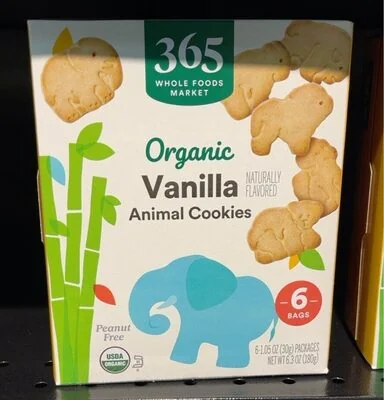 365 by Whole Foods MarketVanilla Organic Animal Cookies
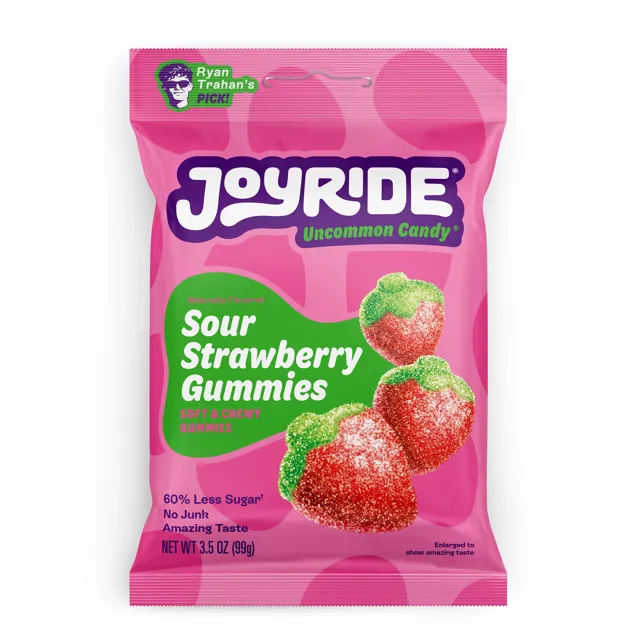 JoyrideSour Strawberry Gummies
 NakanoBasil & Oregano Flavored Rice Vinegar
 Simple TruthChocolate Chip Cookies
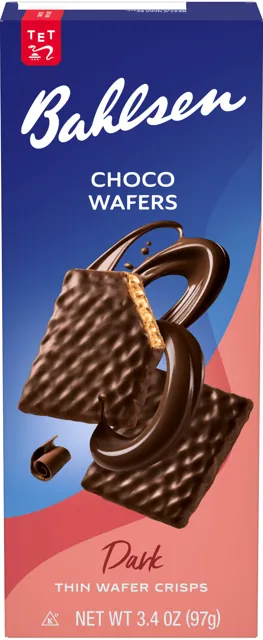 BahlsenChoco Dark Chocolate Crisp Wafers
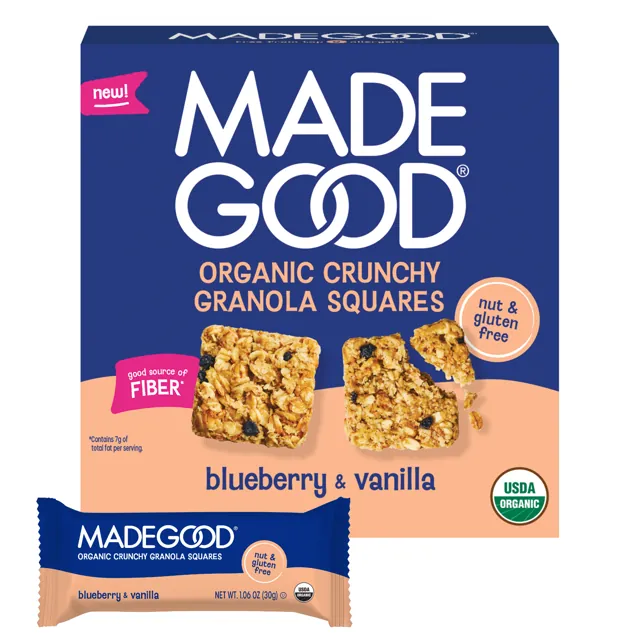 MadeGoodCrunchy Granola Squares – Blueberry & Vanilla
 Cascadian FarmCinnamon Oat Clusters Cereal
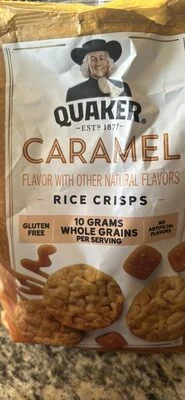 QuakerCaramel Rice Crisps
 KeeblerOriginal Fudge Stripes Cookies
The short answer
Our picks for what is invert sugar?
Clear winnerWholesome Sweeteners Organic Pancake Syrup, 100/100: no tracked additive group on its label, verified organic claim.
Runners-up365 by Whole Foods Market Cola (71), Nakano Basil & Oregano Flavored Rice Vinegar (71), and Simple Truth Chocolate Chip Cookies (71).
Clear noMember's Mark Dark Chocolate Soft Sea Salt Caramels (lists corn syrups), Keebler Original Fudge Stripes Cookies (lists seed oils), MadeGood Crunchy Granola Squares – Blueberry & Vanilla (lists seed oils), plus 2 more with a listed group.
Ranked from 10 of 10 products with current labels. Every product is in the table below; a score reflects labels and claims, not nutrition, allergies or safety.
Compare the recorded labels
Find the ingredients that matter to you.
“No …” columns: None found on the label · Listed on the label · Unknown. Diet fit: Fits · Doesn’t fit · Unknown (rules; not medical advice). Claims: verified · not established. Default: most check marks first; not a health score.
| Buy | ||||||||
|---|---|---|---|---|---|---|---|---|
| 100 / 1009 of 9 groups clear · organic | Find where to buy ↗Product details → | 5 | ||||||
Recorded ingredients Organic Invert Cane Sugar, Organic Natural Flavor Label checked 2026-10-16 · US Ingredient evidence source ↗Sourcing claim evidence ↗ · reviewed 2026-10-16 Producer claims Organic The exact source catalog title states: “ORGANIC PANCAKE SYRUP”. Source catalog claims are shown separately from ingredient checks. Producer claim source ↗Reviewed 2026-10-16 | ||||||||
| 71 / 1009 of 9 groups clear · no organic claim | Product details → | 4 | ||||||
Recorded ingredients CARBONATED WATER, INVERT CANE SUGAR, CARAMEL COLOR, TARTARIC ACID, CITRIC ACID, NATURAL FLAVOR, CAFFEINE. Label checked 2026-10-18 · US Source: USDA FoodData Central ↗ · FDC ID 2636377 · data date 2023-09-14 · release 2026-04-30. Brand-submitted label record, public domain (CC0). | ||||||||
| 71 / 1009 of 9 groups clear · no organic claim | Find where to buy ↗Product details → | 4 | ||||||
Recorded ingredients CHOCOLATE, SUGAR, WHEAT FLOUR, COCOA BUTTER, CONTAINS LESS THAN 2% OF: WHEY, PALM OIL, SUNFLOWER LECITHIN, MILK, INVERT SUGAR, EGG YOLKS, SALT, SODIUM BICARBONATE, NATURAL FLAVOR. Label checked 2026-10-19 · US Source: USDA FoodData Central ↗ · FDC ID 2540694 · data date 2023-05-25 · release 2026-04-30. Brand-submitted label record, public domain (CC0). | ||||||||
| 71 / 1009 of 9 groups clear · no organic claim | Product details → | 4 | ||||||
Recorded ingredients RICE VINEGAR, INVERT SUGAR, SALT, NATURAL FLAVOR, DRIED BASIL, DRIED OREGANO, DILUTED WITH WATER TO 4% ACIDITY. Label checked 2026-10-16 · US Source: USDA FoodData Central ↗ · FDC ID 2085848 · data date 2021-10-28 · release 2026-04-30. Brand-submitted label record, public domain (CC0). | ||||||||
| 71 / 1009 of 9 groups clear · no organic claim | Product details → | 4 | ||||||
Recorded ingredients ORGANIC ENRICHED WHEAT FLOUR (ORGANIC WHEAT FLOUR, NIACIN, IRON, THIAMINE MONONITRATE, RIBOFLAVIN, FOLIC ACID), ORGANIC CHOCOLATE CHIPS (ORGANIC CANE SUGAR, ORGANIC CHOCOLATE LIQUOR, ORGANIC COCOA BUTTER, ORGANIC SOY LECITHIN [EMULSIFIER]), ORGANIC PALM OIL, ORGANIC CANE SUGAR, ORGANIC BROWN SUGAR, ORGANIC INVERT SYRUP, SEA SALT, ORGANIC FLAVORS, SODIUM BICARBONATE, AMMONIUM BICARBONATE, ORGANIC VANILLA EXTRACT. Label checked 2026-10-18 · US Source: USDA FoodData Central ↗ · FDC ID 2309830 · data date 2022-05-23 · release 2026-04-30. Brand-submitted label record, public domain (CC0). | ||||||||
| 63 / 1008 of 9 groups clear · no organic claim | Find where to buy ↗Product details → | 3 | ||||||
Recorded ingredients Whole Grain Oats*, Cane Sugar*, Whole Grain Barley Flour*, Sunflower Oil*, Maltodextrin*, Wheat Starch*, Tapioca Syrup*, Oat Fiber*, Malted Barley Extract*, Sea Salt, Cinnamon*, Calcium Carbonate, Malted Barley*, Natural Flavor*, Invert Sugar Syrup*. Rosemary Extract* Added to Protect Flavor. Label checked 2026-10-17 · US Ingredient evidence source ↗Producer claims Sourcing claim not reviewed The catalog establishes this product’s name and photograph. Sourcing claims and a complete ingredient label may still need review. Producer claim source ↗Reviewed | ||||||||
| 63 / 1008 of 9 groups clear · no organic claim | Product details → | 3 | ||||||
Recorded ingredients ENRICHED FLOUR (WHEAT FLOUR, NIACIN, REDUCED IRON, VITAMIN B1 [THIAMIN MONONITRATE], VITAMIN B2 [RIBOFLAVIN], FOLIC ACID), SUGAR, VEGETABLE OIL (SOYBEAN, PALM KERNEL AND PALM), INVERT SUGAR, COCOA PROCESSED WITH ALKALI, WHEY, CONTAINS 2% OR LESS OF SALT, LEAVENING (BAKING SODA, SODIUM ACID PYROPHOSPHATE, MONOCALCIUM PHOSPHATE), SORBITAN TRISTEARATE, MOLASSES, SOY LECITHIN, NATURAL AND ARTIFICIAL FLAVORS Label checked 2026-10-16 · US Source: USDA FoodData Central ↗ · FDC ID 2562512 · data date 2023-06-29 · release 2026-04-30. Brand-submitted label record, public domain (CC0). | ||||||||
| 63 / 1008 of 9 groups clear · no organic claim | Find where to buy ↗Product details → | 3 | ||||||
Recorded ingredients Pure Gluten Free Oats*, Sunflower oil*, Cane Sugar*, Invert Cane Sugar*, Tapioca Fibre*, Palm Fruit Oil*†, Dried Blueberries* (Blueberries*, Apple Juice Concentrate*, Sunflower Oil*), Natural Flavor*, Sea Salt, Mushroom Powder*, Rosemary Extract*, Mixed Tocopherols, Vanilla Extract*. *Organic. †Sustainable. Label checked 2026-10-16 · US Ingredient evidence source ↗Producer claims Sourcing claim not reviewed The catalog establishes this product’s name and photograph. Sourcing claims and a complete ingredient label may still need review. Producer claim source ↗Reviewed | ||||||||
| 63 / 1008 of 9 groups clear · no organic claim | Product details → | 4 | ||||||
Recorded ingredients CARAMEL (CORN SYRUP, SWEETENED CONDENSED MILK [MILK SOLIDS, SUGAR], HEAVY CREAM [CREAM, MILK], BUTTER [CREAM, SALT], BROWN SUGAR [SUGAR, INVERT SUGAR, CANE MOLASSES], INVERT SUGAR, SUGAR, VANILLA EXTRACT [WATER, ETHYL ALCOHOL, VANILLA BEAN EXTRACTIVES], SALT, SOY LECITHIN), DARK CHOCOLATE (CHOCOLATE LIQUOR, SUGAR, COCOA BUTTER, SOY LECITHIN, NATURAL FLAVOR), SEA SALT. Label checked 2026-10-18 · US Source: USDA FoodData Central ↗ · FDC ID 2592450 · data date 2023-06-29 · release 2026-04-30. Brand-submitted label record, public domain (CC0). | ||||||||
| 63 / 1008 of 9 groups clear · no organic claim | Product details → | 3 | ||||||
Recorded ingredients WHOLE GRAIN BROWN RICE FLOUR, SUGAR, CORN GRITS, CORN MALTODEXTRIN, SWEETENED CONDENSED MILK (MILK, SUGAR), INVERT SUGAR, SALT, NATURAL FLAVOR, VEGETABLE OIL (CANOLA AND/OR SUNFLOWER OIL), COOKED APPLE JUICE CONCENTRATE (COLOR), SOY LECITHIN, PURIFIED STEVIA LEAF EXTRACT, TOCOPHEROLS (TO PRESERVE FRESHNESS), SPICES Label checked 2026-10-16 · US Source: USDA FoodData Central ↗ · FDC ID 2563108 · data date 2023-06-29 · release 2026-04-30. Brand-submitted label record, public domain (CC0). | ||||||||
How the clean score works
No setup needed, and strict: a full 100 needs every additive group clear and a verified organic claim (animal foods also need a verified grass-fed or pasture-raised claim; wild seafood and salt, which have no USDA organic standard, are scored without the organic points, and plant-based milks, cheeses and proteins without the feeding claim). Points: the nine additive groups (seed oils, artificial dyes, MSG, artificial sweeteners, carrageenan, artificial preservatives, hydrogenated oils, corn syrups, banned-abroad additives) share 60 points equally — not found earns a group’s full share, “may contain” earns half, listed earns 0; a verified organic claim is worth 25; a verified grass-fed or pasture-raised claim is worth 15 and counts only for animal foods. No claim, or an expired or unverified claim, earns nothing, so products without those claims cannot reach 100. Unverified or expired ingredient labels receive no score. Equal scores are equal. Ties are ordered by brand. Unknown and stale evidence never passes “Only show matches.” Producer claims and prices do not affect this score. This is not a nutrition, allergy, or safety rating.
As an Amazon Associate I earn from qualifying purchases. Buying links do not influence ingredient results. “Buy on Amazon” opens a reviewed product listing; “Find where to buy” opens the maker’s page. Confirm the package, seller, stock, and current price before checkout. Price observations expire after 30 days.
Primary sources
Sources
- 21 CFR 184.1859: invert sugar law.cornell.edu
- FDA: added sugars on the Nutrition Facts label fda.gov
- 21 CFR 101.9: nutrition labeling of food law.cornell.edu
Watch
The video about this page
