Additive guides · Product label guide
What is methylcellulose? The plant-fiber binder, where it shows up and how it differs from cellulose gum.
Updated
Methylcellulose is a chemically modified plant fiber used as a binder and thickener. FDA status, which shelves list it, how it differs from cellulose gum, and how our checker treats it.
Quick answer
Methylcellulose is a modified form of cellulose, the fiber in plant cell walls, used as a binder and thickener. The FDA lists U.S.P. methylcellulose as generally recognized as safe under 21 CFR 182.1480, used in accordance with good manufacturing practice. It is a different ingredient from cellulose gum (carboxymethylcellulose). Our checker does not flag methylcellulose, and it appears on only a small number of labels.
- FDA status
- GRAS, 21 CFR 182.1480
- Made from
- Cellulose, chemically modified
- Our checker
- Not flagged
- In our catalog
- 12 current labels list methylcellulose
01 · A closer look
What methylcellulose is.
Cellulose is the fiber that gives plant cell walls their structure. Methylcellulose is cellulose that has been treated so that some of its hydroxyl groups carry a methyl group, which lets it dissolve in water and form a gel. The FDA’s listing specifies U.S.P. methylcellulose with a methoxy content of 27.5 to 31.5 percent on a dry-weight basis.
21 CFR 182.1480: methylcellulose02 · A closer look
What the FDA says.
The FDA lists methylcellulose among the substances generally recognized as safe, as a food substance used in accordance with good manufacturing practice.
21 CFR 182.1480: methylcellulose03 · A closer look
Why it is on the label.
Methylcellulose binds ingredients together, thickens sauces and holds moisture in frozen and baked foods, and it is one of the binders used where a recipe has no egg or gluten to hold it together. On the shelves we have, it shows up in frozen meals, frozen pizza, seafood products and bread.
04 · A closer look
Methylcellulose is not cellulose gum.
Cellulose gum is the label name for sodium carboxymethylcellulose, a different modification of cellulose with its own FDA listing. Studies on the gut effects of emulsifiers have used carboxymethylcellulose, not methylcellulose, so findings about one should not be applied to the other. Our guide to gums covers cellulose gum.
21 CFR 182.1745: sodium carboxymethylcellulose05 · A closer look
How our checker treats it.
Methylcellulose is not one of the nine additive groups the checker flags, so it does not change a score by itself. If you avoid it for a personal reason, search the label for the word; we do not give medical advice.
21 CFR 182.1480: methylcelluloseFrom the catalog · 9 labels
Methylcellulose in our catalog
Of the 4,729 products whose full ingredient list we have read in the last 90 days, 12 (from 9 brands) list methylcellulose. It is a rare ingredient: a handful of frozen meals, pizzas, seafood and breads. Below are up to 10 of them, one per brand; open a product to see its full label and the date we read it.
| Labels | |
|---|---|
| Current, complete labels checked | 4,729 |
| List methylcellulose | 12 (0.3%) |
| Of those, no additive group flagged by the checker | 0 of 12 |
| Also flagged: Seed Oils | 12 of 12 |
| Also flagged: Artificial Preservatives | 4 of 12 |
| Also flagged: Artificial Dyes | 2 of 12 |
| Cellulose gum labels, a different ingredient | 34 |
| Labels on the Fresh & frozen seafood shelf | 3 |
| Labels on the Frozen entrées & bowls shelf | 3 |
| Labels on the Frozen pizza shelf | 3 |
| Labels on the Bread shelf | 2 |
| Labels on the Frozen pasta & ravioli shelf | 1 |
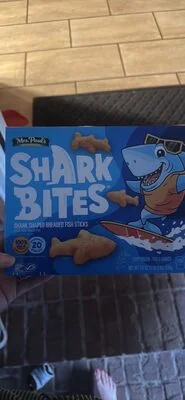 Mrs. Paul'sShark Shaped Breaded Fish Sticks
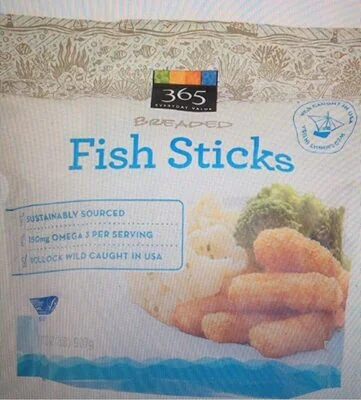 365 by Whole Foods MarketBreaded Fish Sticks
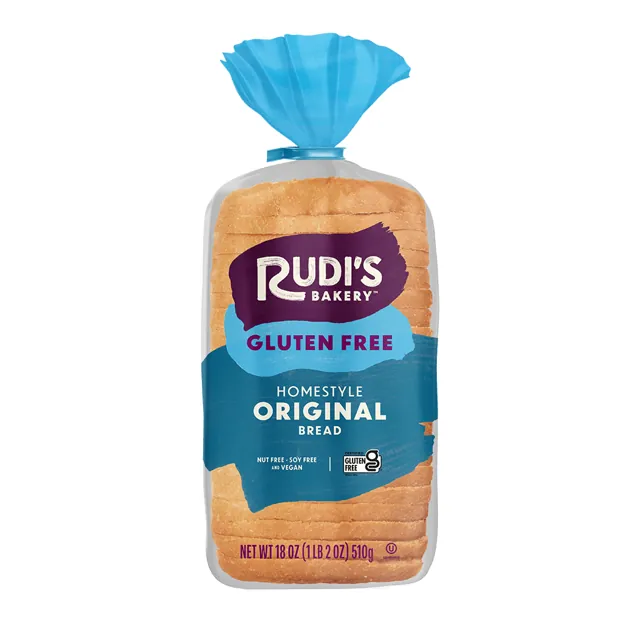 Rudi'sGluten-Free Homestyle Original
 Stouffer'sMeatless Lasagna
 Marie Callender'sBeef Pot Pie
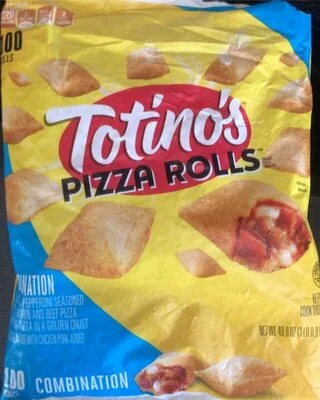 Totino'sCombination Sausage & Pepperoni Seasoned Pork, Chicken and Beef Pizza Topping Pizza in a Golden Crust
- Photo pendingSeaPakPopcorn Shrimp
- Photo pendingDiGiornoStuffed Supreme Bites
- Photo pendingHungry-ManPopcorn Chicken with Spiced Rub Bbq Sauce
The short answer
Our picks for what is methylcellulose?
No pick yetEvery scored what is methylcellulose? label lists at least one of the groups we check, so nothing here earns a pick.
Clear noHungry-Man Popcorn Chicken with Spiced Rub Bbq Sauce (lists seed oils, artificial preservatives, hydrogenated oils and corn syrups), Totino's Combination Sausage & Pepperoni Seasoned Pork, Chicken and Beef Pizza Topping Pizza in a Golden Crust (lists seed oils, artificial dyes, artificial preservatives and banned-abroad additives), DiGiorno Stuffed Supreme Bites (lists seed oils and artificial preservatives), plus 4 more with a listed group.
Ranked from 7 of 7 products with current labels. Every product is in the table below; a score reflects labels and claims, not nutrition, allergies or safety.
Compare the recorded labels
Find the ingredients that matter to you.
“No …” columns: None found on the label · Listed on the label · Unknown. Diet fit: Fits · Doesn’t fit · Unknown (rules; not medical advice). Claims: verified · not established. Default: most check marks first; not a health score.
| Buy | ||||||||
|---|---|---|---|---|---|---|---|---|
| 89 / 1008 of 9 groups clear · organic not applicable | Product details → | 3 | ||||||
Recorded ingredients SHRIMP, BLEACHED WHEAT FLOUR, SOYBEAN OIL, WATER, ENRICHED BLEACHED WHEAT FLOUR (WHEAT FLOUR, NIACIN, IRON AS FERROUS SULFATE, THIAMINE MONONITRATE, RIBOFLAVIN, FOLIC ACID), YELLOW CORN FLOUR, CONTAINS 2% OR LESS OF EACH OF THE FOLLOWING: CITRIC ACID, DEXTROSE, DISODIUM GUANYLATE, DISODIUM INOSINATE, ENRICHED WHEAT FLOUR (WHEAT FLOUR, NIACIN, REDUCED IRON, THIAMINE MONONITRATE, RIBOFLAVIN, FOLIC ACID), GARLIC POWDER, LEAVENING (SODIUM ACID PYROPHOSPHATE, BAKING SODA), METHYLCELLULOSE, MODIFIED CORNSTARCH, PAPRIKA OLEORESIN, SALT, SODIUM ALGINATE, SODIUM BISULFITE (AS A PRESERVATIVE), SODIUM TRIPOLYPHOSPHATE (TO RETAIN MOISTURE), SUGAR, WHEY POWDER, YEAST. Label checked 2026-10-16 · US Source: USDA FoodData Central ↗ · FDC ID 2284762 · data date 2022-05-23 · release 2026-04-30. Brand-submitted label record, public domain (CC0). | ||||||||
| 63 / 1008 of 9 groups clear · no organic claim | Product details → | 3 | ||||||
Recorded ingredients FILLING: WATER, BEEF AND BINDER PRODUCT (BEEF, WATER, CONTAINS 2% OR LESS OF: DEXTROSE, SALT, NATURAL FLAVOR, MALTODEXTRIN, DRIED WHEY, DRIED CAULIFLOWER, SESAME OIL, SOYBEAN OIL, MODIFIED CORN STARCH, SODIUM PHOSPHATE, CARAMEL COLOR, SPICE EXTRACTIVES), POTATOES (POTATOES, CALCIUM CHLORIDE), BEEF CRUMBLES (BEEF, SALT, GARLIC JUICE, FLAVORING), CARROTS, ONIONS, MODIFIED CORN STARCH, CONTAINS 2% OR LESS OF: CELERY, BEEF FLAVOR (COOKED BEEF, YEAST EXTRACT, BEEF TALLOW, BEEF EXTRACT, FLAVORING, SALT, SUGAR, VEGETABLE JUICE CONCENTRATES [ONION, CARROT, CELERY], LACTIC ACID), WINE, TOMATO PASTE, SUGAR, POTASSIUM CHLORIDE, CANOLA OIL, GARLIC, BUTTER (CREAM, SALT), SALT, YEAST EXTRACT, FLAVORING, METHYLCELLULOSE, CARAMEL COLOR, CRUST: ENRICHED WHEAT FLOUR (WHEAT FLOUR, NIACIN, REDUCED IRON, THIAMINE MONONITRATE, RIBOFLAVIN, FOLIC ACID), INTERESTERIFIED SOYBEAN OIL, WATER, SALT, MODIFIED WHEY, CARAMEL COLOR Label checked 2026-10-16 · US Source: USDA FoodData Central ↗ · FDC ID 2600234 · data date 2023-07-13 · release 2026-04-30. Brand-submitted label record, public domain (CC0). | ||||||||
| 63 / 1008 of 9 groups clear · no organic claim | Find where to buy ↗Product details → | 3 | ||||||
Recorded ingredients Water, modified tapioca starch, white sorghum flour, potato starch, cane sugar, brown rice flour, canola oil*, sorghum syrup, yeast, psyllium husk fiber, rice bran, salt, hydroxypropyl methylcellulose, distilled white vinegar, rice starch, cultured brown rice flour, guar gum, sugarcane fiber, rice flour, calcium sulfate, enzymes. Label checked 2026-10-17 · US Ingredient evidence source ↗Producer claims Sourcing claim not reviewed The catalog establishes this product’s name and photograph. Sourcing claims and a complete ingredient label may still need review. Producer claim source ↗Reviewed | ||||||||
| 63 / 1008 of 9 groups clear · no organic claim | Product details → | 3 | ||||||
Recorded ingredients SAUCE: TOMATO PUREE (WATER, TOMATO PASTE), WATER, PLANT PROTEIN GROUNDS (WATER, TEXTURED PEA PROTEIN, COCONUT OIL, NATURAL FLAVORS, CANOLA OIL, METHYLCELLULOSE, PEA FLOUR, DISTILLED VINEGAR, DRIED MALTED BARLEY EXTRACT, SEA SALT, CORN SAUCE [CULTURED CORN STARCH, SALT, WATER], THIAMINE HYDROCHLORIDE [VITAMIN B1], POTASSIUM CHLORIDE), DRY CURD COTTAGE CHEESE (CULTURED SKIM MILK, ENZYMES), MODIFIED CORNSTARCH, SOY SAUCE (WATER, SOYBEANS, WHEAT, SALT), SALT, WHEAT FLOUR, DRIED ONIONS, SUGAR, SPICES, GARLIC POWDER, COOKED PASTA: WATER, SEMOLINA WHEAT FLOUR, CHEESE: LOW-MOISTURE PART-SKIM MOZZARELLA CHEESE (CULTURED PART-SKIM MILK, SALT, ENZYMES), PART-SKIM MOZZARELLA CHEESE AND MODIFIED CORNSTARCH (PART-SKIM MOZZARELLA CHEESE [CULTURED MILK, SALT, ENZYMES], MODIFIED CORNSTARCH, SKIM MILK, FLAVORS), PARMESAN CHEESE (CULTURED MILK, SALT, ENZYMES) Label checked 2026-10-16 · US Source: USDA FoodData Central ↗ · FDC ID 2560574 · data date 2023-06-29 · release 2026-04-30. Brand-submitted label record, public domain (CC0). | ||||||||
| 55 / 1007 of 9 groups clear · no organic claim | Product details → | 3 | ||||||
Recorded ingredients ENRICHED FLOUR (WHEAT FLOUR, MALTED BARLEY FLOUR, NIACIN, IRON, THIAMINE MONONITRATE, RIBOFLAVIN, FOLIC ACID), WATER, PEPPERONI MADE WITH PORK, CHICKEN, BEEF (PORK, MECHANICALLY SEPARATED CHICKEN, BEEF, SALT, CONTAINS 2% OR LESS OF SPICES, DEXTROSE, LACTIC ACID STARTER CULTURE, OLEORESIN OF PAPRIKA, SODIUM ASCORBATE, FLAVORING, SODIUM NITRITE, BHA, BHT, CITRIC ACID), COOKED ITALIAN SAUSAGE (PORK, WATER, SPICES, SALT, SUGAR, GARLIC POWDER, SPICE EXTRACTS), TOMATO PASTE, REDUCED FAT MOZZARELLA CHEESE (PASTEURIZED PART SKIM MILK, NONFAT MILK, MODIFIED FOOD STARCH*, CULTURES, SALT, VITAMIN A PALMITATE, ENZYMES, *INGREDIENTS NOT IN REGULAR MOZZARELLA CHEESE), SOYBEAN OIL, 2% OR LESS GREEN BELL PEPPERS, RED BELL PEPPERS, ONIONS, MODIFIED CORNSTARCH, SUGAR, SEASONING (BREAD CRUMB [BLEACHED WHEAT FLOUR, DEXTROSE, YEAST, SALT], DRIED GARLIC, TOMATO POWDER, SPICE, SALT, DEXTROSE, DRIED ONION, MALTODEXTRIN, CITRIC ACID, NATURAL FLAVOR), FRACTIONATED PALM OIL, YEAST, DOUGH CONDITIONER BLEND (CALCIUM SULFATE, SALT, L-CYSTEINE HYDROCHLORIDE, GARLIC POWDER, TRICALCIUM PHOSPHATE, ENZYMES [WHEAT]), SALT, SEASONING (SUGAR SPICES), BASIL, SOY LECITHIN, SODIUM STEAROYL LACTYLATE, METHYLCELLULOSE, FLAVOR (MALTODEXTRIN, MODIFIED CORN STARCH, NATURAL FLAVORS, DATEM, MEDIUM CHAIN TRIGLYCERIDES), SEASONING (MALTODEXTRIN, MODIFIED CORN STARCH, BUTTER FLAVOR), WHEY, SOY FLOUR, EGG WHITES Label checked 2026-10-16 · US Source: USDA FoodData Central ↗ · FDC ID 2568904 · data date 2023-06-29 · release 2026-04-30. Brand-submitted label record, public domain (CC0). | ||||||||
| 39 / 1005 of 9 groups clear · no organic claim | Product details → | 3 | ||||||
Recorded ingredients COOKED POPCORN SHAPED BREADED WHITE MEAT CHICKEN PATTIES (COOKED WHITE MEAT CHICKEN, WATER, ENRICHED BLEACHED WHEAT FLOUR (NIACIN, REDUCED IRON, THIAMINE MONONITRATE, RIBOFLAVIN, FOLIC ACID), LEAVENING (SODIUM ACID PYROPHOSPHATE, SODIUM BICARBONATE), CONTAINS 2% OR LESS OF DEXTROSE, SALT, MONOGLYCERIDES, YEAST, DOUGH CONDITIONERS (ASCORBIC ACID, L-CYSTEINE MONOHYDROCHLORIDE), SPICE EXTRACTIVE, ENRICHED FLOUR (WHEAT FLOUR [NIACIN, REDUCED IRON, THIAMINE MONONITRATE, RIBOFLAVIN, FOLIC ACID]), VEGETABLE OIL (PARTIALLY HYDROGENATED SOYBEAN OIL [TBHQ AND CITRIC ACID TO PRESERVE FRESHNESS]), CHICKEN SKINS, SOY PROTEIN CONCENTRATE, SEASONING BLEND (GRANULATED ONION, GARLIC, SALT, SPICES, PAPRIKA), ISOLATED OAT PRODUCT, SODIUM PHOSPHATE, SALT, SPICE EXTRACT), MASHED POTATOES (WATER, DEHYDRATED POTATO FLAKES (POTATOES, MONO AND DIGLYCERIDES, SODIUM ACID PYROPHOSPHATE, CITRIC ACID), SEASONING SAUCE (VEGETABLE OIL (PARTIALLY HYDROGENATED SOYBEAN OIL [TBHQ AND CITRIC ACID TO PRESERVE FRESHNESS]), WATER, MONO AND DIGLYCERIDES WITH BHT AND CITRIC ACID TO PROTECT FLAVOR, BETA CAROTENE FOR COLOR (CORN OIL, DL-ALPHA-TOCOPHEROL)), CONTAINS 2% OR LESS OF: SALT, DRIED DAIRY BLEND (WHEY, CALCIUM CASEINATE)), SPICED RUM BBQ SAUCE (HIGH FRUCTOSE CORN SYRUP, TOMATO PUREE (WATER, TOMATO PASTE), MOLASSES, DISTILLED VINEGAR, SPICED RUM, SEASONING (SALT, NATURAL FLAVORS, SPICES, DEHYDRATED GARLIC, DEHYDRATED ONION, CITRIC ACID, CARAMEL COLOR, MALTODEXTRIN, SUGAR), MODIFIED CORN STARCH, METHYLCELLULOSE, XANTHAN GUM, DRIED EGG YOLKS), GREEN BEANS, SEASONING SAUCE (WATER, SUGAR, SEASONING SAUCE (VEGETABLE OIL (PARTIALLY HYDROGENATED SOYBEAN OIL [TBHQ AND CITRIC ACID TO PRESERVE FRESHNESS]), WATER, MONO AND DIGLYCERIDES WITH BHT AND CITRIC ACID TO PROTECT FLAVOR, BETA CAROTENE FOR COLOR (CORN OIL, DL-ALPHA-TOCOPHEROL)), SALT, VEGETABLE OIL (PARTIALLY HYDROGENATED SOYBEAN OIL [TBHQ AND CITRIC ACID TO PRESERVE FRESHNESS])). CONTAINS 2% OR LESS OF: SEASONING SAUCE (VEGETABLE OIL (PARTIALLY HYDROGENATED SOYBEAN OIL [TBHQ AND CITRIC ACID TO PRESERVE FRESHNESS]), WATER, MONO AND DIGLYCERIDES WITH BHT AND CITRIC ACID TO PROTECT FLAVOR, BETA CAROTENE FOR COLOR (CORN OIL, DL-ALPHA-TOCOPHEROL)). Label checked 2026-10-16 · US Source: USDA FoodData Central ↗ · FDC ID 2286900 · data date 2022-05-23 · release 2026-04-30. Brand-submitted label record, public domain (CC0). | ||||||||
| 39 / 1005 of 9 groups clear · no organic claim | Product details → | 2 | ||||||
Recorded ingredients ENRICHED FLOUR (WHEAT FLOUR, NIACIN, FERROUS SULFATE, THIAMIN MONONITRATE, RIBOFLAVIN, FOLIC ACID), TOMATO PUREE (WATER, TOMATO PASTE), WATER, COOKED CHICKEN PIZZA TOPPING PORK ADDED (SAUSAGE MADE WITH CHICKEN PORK ADDED [MECHANICALLY SEPARATED CHICKEN, PORK, SALT, AND 2% OR LESS OF: SPICES, SUGAR, HYDROLYZED SOY AND CORN PROTEIN, MALTODEXTRIN (FROM CORN AND TAPIOCA), CARAMELIZED SUGAR, SOY FLOUR, YEAST EXTRACT, NATURAL FLAVORS], WATER, SOY PROTEIN CONCENTRATE, TEXTURED VEGETABLE PROTEIN [SOY FLOUR, CARAMEL COLOR], SODIUM PHOSPHATES), IMITATION MOZZARELLA CHEESE (WATER, PALM OIL, MODIFIED CORN STARCH, VEGETABLE OIL, RENNET CASEIN, SALT, SODIUM ALUMINUM PHOSPHATE, POTASSIUM CHLORIDE, CITRIC ACID, GUAR GUM, POTASSIUM SORBATE [PRESERVATIVE], SODIUM CITRATE, SODIUM PHOSPHATE, TITANIUM DIOXIDE [ARTIFICIAL COLOR]), VEGETABLE OIL, PEPPERONI SEASONED PORK, CHICKEN AND BEEF PIZZA TOPPING (PORK, MECHANICALLY SEPARATED CHICKEN, WATER, SOY PROTEIN ISOLATE, BEEF, SALT, CONTAIN 2 % OR LESS OF: PEPPERONI [PORK, MECHANICALLY SEPARATED CHICKEN, BEEF, SALT, CONTAINS 2% OR LESS OF: SPICES, DEXTROSE, PORK STOCK, LACTIC ACID STARTER CULTURE, OLEORESIN OF PAPRIKA, FLAVORING, SODIUM ASCORBATE, SODIUM NITRITE, BHA, BHT, CITRIC ACID], SPICES, DEXTROSE, OLEORESIN OF PAPRIKA, SODIUM ASCORBATE, GARLIC POWDER, NATURAL FLAVOR, MALTODEXTRIN, SODIUM NITRITE, LACTIC ACID STARTER CULTURE, BHA, BHT, CITRIC ACID). CONTAINS LESS THAN 2% OF: MODIFIED CORN STARCH, REHYDRATED FAT FREE MOZZARELLA CHEESE (WATER, SKIM MILK, CHEESE CULTURES, SALT, ENZYMES, CITRIC ACID), SUGAR, SALT, MODIFIED WHEY, DEFATTED SOY FLOUR, DRIED ONION, MODIFIED TAPIOCA STARCH, SPICE, METHYLCELLULOSE, POTASSIUM SORBATE (PRESERVATIVE), REHYDRATED ENZYME MODIFIED CHEESE (WATER, MILK, CHEESE CULTURES, SALT, ENZYMES), DEXTROSE, MALTODEXTRIN, TBHQ (PRESERVATIVE), NATURAL FLAVOR. Label checked 2026-10-20 · US Source: USDA FoodData Central ↗ · FDC ID 2679247 · data date 2023-11-16 · release 2026-04-30. Brand-submitted label record, public domain (CC0). | ||||||||
How the clean score works
No setup needed, and strict: a full 100 needs every additive group clear and a verified organic claim (animal foods also need a verified grass-fed or pasture-raised claim; wild seafood and salt, which have no USDA organic standard, are scored without the organic points, and plant-based milks, cheeses and proteins without the feeding claim). Points: the nine additive groups (seed oils, artificial dyes, MSG, artificial sweeteners, carrageenan, artificial preservatives, hydrogenated oils, corn syrups, banned-abroad additives) share 60 points equally — not found earns a group’s full share, “may contain” earns half, listed earns 0; a verified organic claim is worth 25; a verified grass-fed or pasture-raised claim is worth 15 and counts only for animal foods. No claim, or an expired or unverified claim, earns nothing, so products without those claims cannot reach 100. Unverified or expired ingredient labels receive no score. Equal scores are equal. Ties are ordered by brand. Unknown and stale evidence never passes “Only show matches.” Producer claims and prices do not affect this score. This is not a nutrition, allergy, or safety rating.
As an Amazon Associate I earn from qualifying purchases. Buying links do not influence ingredient results. “Buy on Amazon” opens a reviewed product listing; “Find where to buy” opens the maker’s page. Confirm the package, seller, stock, and current price before checkout. Price observations expire after 30 days.
Primary sources
Sources
- 21 CFR 182.1480: methylcellulose law.cornell.edu
- 21 CFR 182.1745: sodium carboxymethylcellulose law.cornell.edu
Watch
The video about this page
