Additive guides · Product label guide
What is carnauba wax? The shine on candy, where it hides and what shellac is.
Updated
Carnauba wax is a plant wax from the Brazilian wax palm that gives candy its shine. FDA status, which shelves list it, how it differs from shellac and beeswax, and how our checker treats it.
Quick answer
Carnauba wax is a hard plant wax from the leaves of the Brazilian wax palm. Makers use it as a surface-finishing agent, the polish on gummies, hard candy and chocolate-covered snacks. The FDA lists it as generally recognized as safe under 21 CFR 184.1978, with no limit other than good manufacturing practice, and our checker does not flag it. Shellac, the other common candy glaze, comes from an insect resin, so it is a different ingredient.
- FDA status
- GRAS, 21 CFR 184.1978
- Source
- Leaves of the Brazilian wax palm
- Our checker
- Not flagged
- In our catalog
- 50 current labels list carnauba wax
01 · A closer look
What carnauba wax is.
Carnauba wax is a hard, brittle wax taken from the leaves and buds of the Brazilian wax palm, Copernicia cerifera. It does not dissolve in water, which is why it works as a coating. The FDA’s listing calls out its jobs in food: anticaking agent, formulation aid, lubricant and release agent, and surface-finishing agent.
21 CFR 184.1978: carnauba wax02 · A closer look
What the FDA says.
The FDA affirms carnauba wax as generally recognized as safe (GRAS) as a direct food ingredient, used in food with no limitation other than current good manufacturing practice. The listed foods include baking products and mixes, chewing gum, candies and icings, fresh and processed fruits and fruit juices, gravies and sauces, and soft candies. The regulation sets no numerical limit.
21 CFR 184.1978: carnauba wax03 · A closer look
Why it is on the label.
A thin coat of carnauba wax gives gummies and hard candies a glossy, non-sticky surface and keeps pieces from clumping in the bag. On a label it sits at the very end of the list, near the dyes and flavors, because the amount is small. Seeing it tells you the candy is polished; it does not tell you whether the candy contains other ingredients that our checker flags, so read the whole list.
04 · A closer look
Shellac and confectioner’s glaze: the other candy shine.
Many candies use shellac instead of, or as well as, carnauba wax. On a label it may be called shellac, confectioner’s glaze or resinous glaze. Shellac is a resin made by an insect, while carnauba is a plant wax, so people who avoid animal-derived ingredients check for it. The FDA’s inventory of substances added to food lets you look up either name. The table below counts how many current labels list each in our catalog.
FDA: substances added to food inventory (look up an ingredient by name)05 · A closer look
How our checker treats it.
Carnauba wax, shellac and beeswax are not among the nine additive groups the checker flags, so a polish ingredient does not change a score by itself. A candy can list carnauba wax and still score low because of a dye or a corn syrup elsewhere on the same label; the products below show both cases.
FDA: substances added to food inventory (look up an ingredient by name)From the catalog · 10 labels
Carnauba wax in our catalog
Of the 4,729 products whose full ingredient list we have read in the last 90 days, 50 (from 37 brands) list carnauba wax. It is mostly a candy and fruit snack ingredient. Below are up to 10 of them, one per brand; open a product to see its full label and the date we read it.
| Labels | |
|---|---|
| Current, complete labels checked | 4,729 |
| List carnauba wax | 50 (1.1%) |
| Of those, no additive group flagged by the checker | 3 of 50 |
| Also flagged: Artificial Dyes | 37 of 50 |
| Also flagged: Corn Syrups | 33 of 50 |
| Also flagged: Seed Oils | 14 of 50 |
| Shellac or confectioner’s glaze labels, for comparison | 26 |
| Beeswax labels, for comparison | 14 |
| Labels on the Candy & gummies shelf | 33 |
| Labels on the Fruit snacks & pouches shelf | 11 |
| Labels on the Cookies shelf | 4 |
| Labels on the Nuts & seeds shelf | 1 |
| Labels on the Snack bars shelf | 1 |
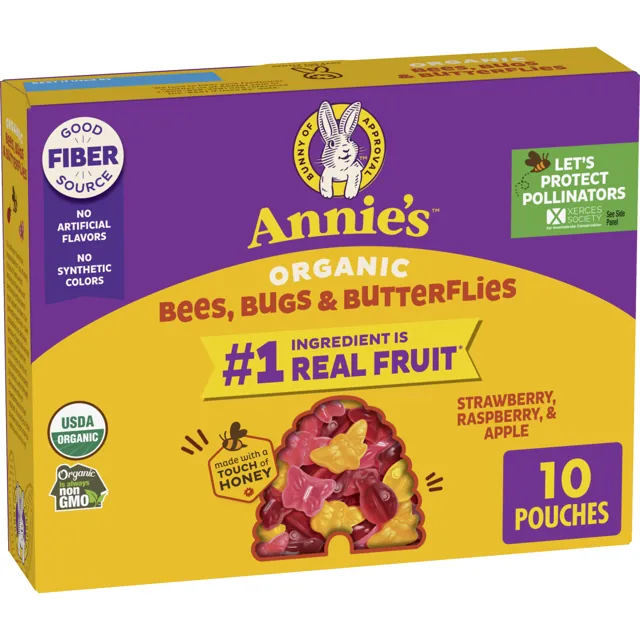 Annie'sOrganic Bees, Bugs & Butterflies Fruit Snacks
 YumearthOrganic Jelly Beans, Mango Tango, Perfectly Peach, Very Very Cherry, Awesome Apple
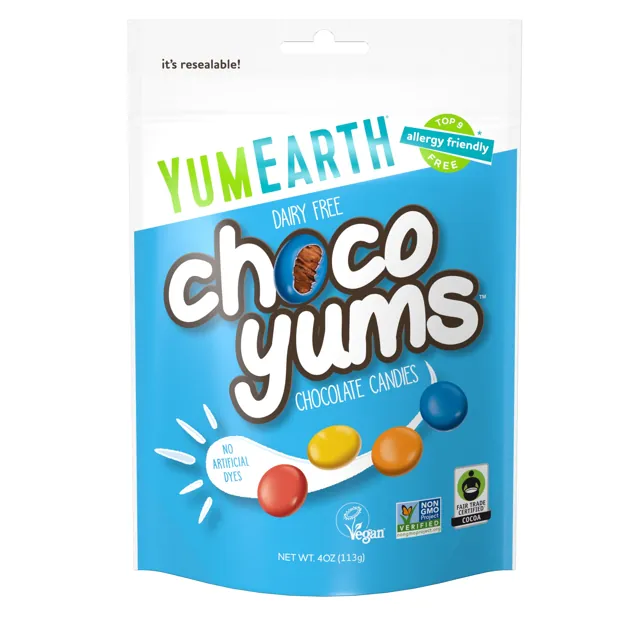 YumEarthChoco Yums Chocolate
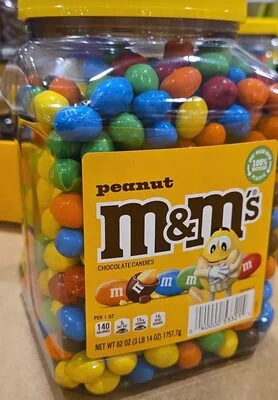 M&M'sChocolate Candies, Peanut
 HariboGummi Candy
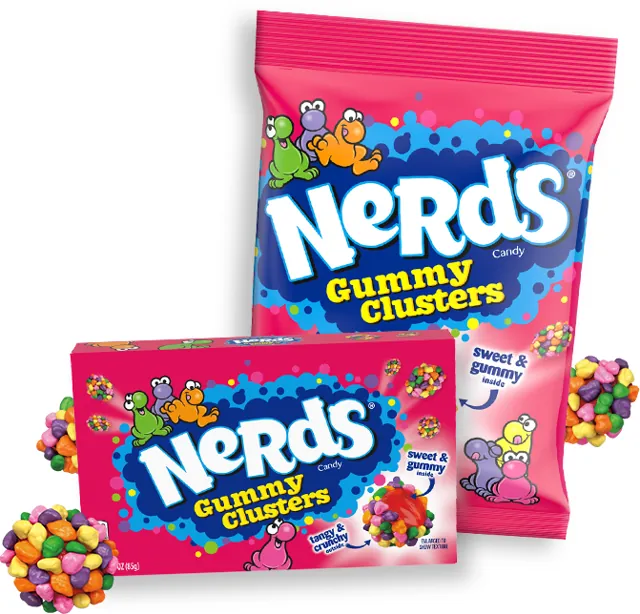 NerdsGummy Clusters
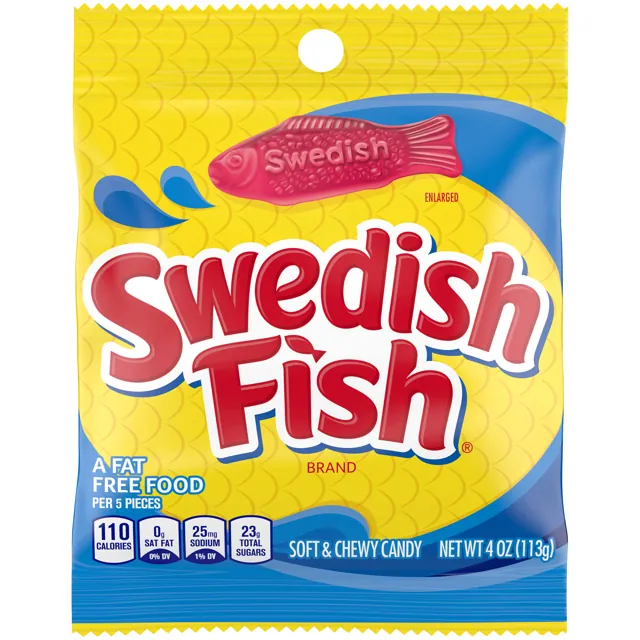 Swedish FishSoft Candy Red 1x3.
 Life SaversWreaths Green Apple, Cherry Flavored Gummies
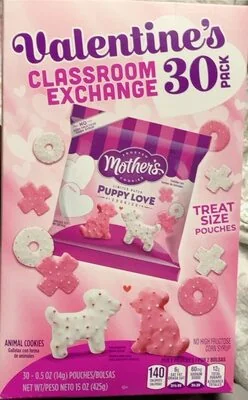 Mother'sPuppy Love Animal Cookies
 Welch'sMixed Fruit Fruit Snacks
From the catalog · 8 labels
Shellac and confectioner’s glaze in our catalog
Of the 4,729 products whose full ingredient list we have read in the last 90 days, 26 (from 24 brands) list shellac or confectioner’s glaze. These are the labels that use the animal-derived glaze rather than, or beside, carnauba. Below are up to 8 of them, one per brand; open a product to see its full label and the date we read it.
| Labels | |
|---|---|
| Current, complete labels checked | 4,729 |
| List shellac or confectioner’s glaze | 26 (0.5%) |
| Of those, no additive group flagged by the checker | 1 of 26 |
| Also flagged: Artificial Dyes | 21 of 26 |
| Also flagged: Corn Syrups | 16 of 26 |
| Also flagged: Seed Oils | 7 of 26 |
| Labels on the Candy & gummies shelf | 15 |
| Labels on the Chocolate shelf | 4 |
| Labels on the Cookies shelf | 4 |
| Labels on the Nuts & seeds shelf | 1 |
| Labels on the Snack bars shelf | 1 |


The short answer
Our picks for what is carnauba wax?
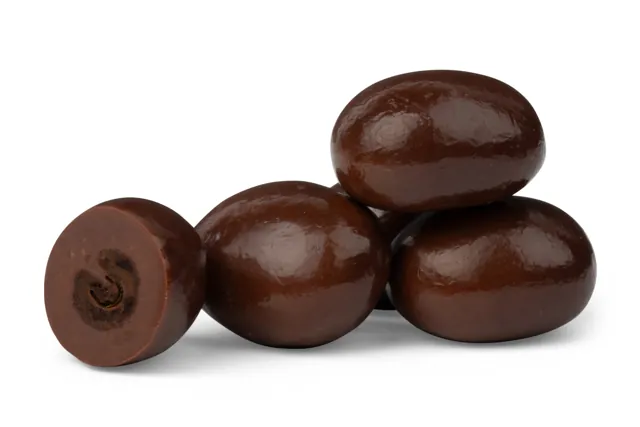
Clear winnerNuts.com Organic Dark Chocolate Espresso Beans, 100/100: no tracked additive group on its label, verified organic claim.
Runners-upYumEarth Choco Yums Chocolate (71).
Clear noHershey's Cookies 'n' Creme Cookie Bites (lists seed oils and corn syrups), M&M's Chocolate Candies, Peanut (lists artificial dyes and corn syrups), Russell Stover Pectin Jelly Beans (lists artificial dyes and corn syrups), plus 5 more with a listed group.
Ranked from 10 of 10 products with current labels. Every product is in the table below; a score reflects labels and claims, not nutrition, allergies or safety.
Compare the recorded labels
Find the ingredients that matter to you.
“No …” columns: None found on the label · Listed on the label · Unknown. Diet fit: Fits · Doesn’t fit · Unknown (rules; not medical advice). Claims: verified · not established. Default: most check marks first; not a health score.
| Buy | ||||||||
|---|---|---|---|---|---|---|---|---|
| 100 / 1009 of 9 groups clear · organic | Find where to buy ↗Product details → | 5 | ||||||
Recorded ingredients Organic Dark Chocolate (Organic Sugar, Organic Chocolate Liquor, Organic Cocoa Butter, Organic Soy Lecithin, Organic Vanilla Flavor (Milk)), Organic Coffee Beans, Confectioners Glaze, Organic Gum Arabic. Label checked 2026-10-16 · US Ingredient evidence source ↗Sourcing claim evidence ↗ · reviewed 2026-10-16 Producer claims Organic The exact source catalog title states: “Organic Dark Chocolate Espresso Beans”. Source catalog claims are shown separately from ingredient checks. Producer claim source ↗Reviewed 2026-10-16 | ||||||||
| 92 / 1008 of 9 groups clear · organic | Find where to buy ↗Product details → | 4 | ||||||
Recorded ingredients Organic Pear Puree, Organic Cane Sugar, Organic Rice Syrup, Organic Soluble Tapioca Fiber, Organic Tapioca Syrup Solids, Pectin, Citric Acid, Sodium Citrate, Organic Natural Flavor, Ascorbic Acid (vitamin C), Organic Sunflower Oil, Organic Color (organic vegetable juice, organic fruit juice, organic annatto extract), Organic Carnauba Wax. Label checked 2026-10-16 · US Ingredient evidence source ↗Sourcing claim evidence ↗ · reviewed 2026-10-16 Producer claims Organic The exact source catalog title states: “Organic Bernie’s Farm Fruit Snacks”. Source catalog claims are shown separately from ingredient checks. Producer claim source ↗Reviewed 2026-10-16 | ||||||||
| 92 / 1008 of 9 groups clear · organic | Product details → | 4 | ||||||
Recorded ingredients ORGANIC CANE SUGAR, ORGANIC RICE SYRUP, PECTIN, CITRIC ACID, LACTIC ACID, ASCORBIC ACID, NATURAL FLAVORS, COLORED WITH ORGANIC CONCENTRATE (PUMPKIN, APPLE, CARROT, BLACKCURRANT AND RADISH), ORGANIC CARNAUBA WAX, ORGANIC SUNFLOWER OIL, ORGANIC GUM ARABIC. Label checked 2026-10-20 · US Source: USDA FoodData Central ↗ · FDC ID 2608526 · data date 2023-07-13 · release 2026-04-30. Brand-submitted label record, public domain (CC0). Sourcing claim evidence ↗ · reviewed 2026-10-20 | ||||||||
| 71 / 1009 of 9 groups clear · no organic claim | Find where to buy ↗Product details → | 4 | ||||||
Recorded ingredients SEMI-SWEET CHOCOLATE (SUGAR, CHOCOLATE LIQUOR, COCOA BUTTER, SUNFLOWER LECITHIN, AND VANILLA EXTRACT), CANE SUGAR, ORGANIC COCOA BUTTER, ORGANIC POWDERED SUGAR, ORGANIC ACACIA GUM, ORGANIC SPIRULINA (COLOR), COLORED WITH CONCENTRATE (CARROT, RADISH, BLACKCURRANT, SWEET POTATO), ORGANIC TURMERIC EXTRACT (COLOR), CORN PROTEIN, ORGANIC CARNAUBA WAX. Label checked 2026-10-11 · US Ingredient evidence source ↗Producer claims Sourcing claim not reviewed The catalog establishes this product’s name and photograph. Sourcing claims and a complete ingredient label may still need review. Producer claim source ↗Reviewed | ||||||||
| 55 / 1007 of 9 groups clear · no organic claim | Product details → | 3 | ||||||
Recorded ingredients CORN SYRUP, SUGAR, GELATIN, DEXTROSE, CONTAINS LESS THAN 2% OF: CITRIC ACID, ARTIFICIAL AND NATURAL FLAVORS, PALM OIL, PALM KERNEL OIL, CARNAUBA WAX, WHITE BEESWAX, YELLOW BEESWAX, YELLOW 5, RED 40, BLUE 1. Label checked 2026-10-16 · US Source: USDA FoodData Central ↗ · FDC ID 2544432 · data date 2023-05-25 · release 2026-04-30. Brand-submitted label record, public domain (CC0). | ||||||||
| 55 / 1007 of 9 groups clear · no organic claim | Product details → | 3 | ||||||
Recorded ingredients SUGAR, VEGETABLE OIL [PALM OIL; SHEA OIL; SUNFLOWER OIL; SOYBEAN OIL; PALM KERNEL OIL; AND/OR SAFFLOWER OIL], ENRICHED WHEAT FLOUR [FLOUR; NIACIN; FERROUS SULFATE; THIAMIN MONONITRATE; RIBOFLAVIN; FOLIC ACID], SKIM MILK, CORN SYRUP SOLIDS, LACTOSE (MILK), COCOA PROCESSED WITH ALKALI, CONTAINS 2% OR LESS OF: MALTODEXTRIN; CORN SYRUP; HIGH FRUCTOSE CORN SYRUP; CORN FLOUR; LECITHIN (SOY); CHOCOLATE; SALT; DEXTROSE; BAKING SODA; CONFECTIONER'S GLAZE; VANILLIN, ARTIFICIAL FLAVOR; PGPR Label checked 2026-10-16 · US Source: USDA FoodData Central ↗ · FDC ID 2528559 · data date 2023-04-27 · release 2026-04-30. Brand-submitted label record, public domain (CC0). | ||||||||
| 55 / 1007 of 9 groups clear · no organic claim | Product details → | 3 | ||||||
Recorded ingredients MILK CHOCOLATE (SUGAR, CHOCOLATE, SKIM MILK, COCOA BUTTER LACTOSE, MILKFAT, PEANUTS, SOY LECITHIN, SALT, ARTIFICIAL AND NATURAL FLAVORS), SUGAR, PEANUTS, CORNSTARCH, LESS THAN 1% - PALM OIL, CORN SYRUP, DEXTRIN, COLORING (INCLUDES BLUE 1 LAKE, RED 40, YELLOW 6, YELLOW 5, BLUE 1, RED 40 LAKE, YELLOW 6 LAKE, YELLOW 5 LAKE, BLUE 2 LAKE, BLUE 2), CARNAUBA WAX, GUM ACACIA. Label checked 2026-10-16 · US Source: USDA FoodData Central ↗ · FDC ID 2575625 · data date 2023-06-29 · release 2026-04-30. Brand-submitted label record, public domain (CC0). | ||||||||
| 55 / 1007 of 9 groups clear · no organic claim | Product details → | 3 | ||||||
Recorded ingredients SUGAR, ENRICHED FLOUR (WHEAT FLOUR, NIACIN, REDUCED IRON, VITAMIN B1 [THIAMIN MONONITRATE], VITAMIN B2 (RIBOFLAVIN], FOLIC ACID), HYDROGENATED PALM KERNEL OIL, NONFAT MILK, CONTAINS 2% OR LESS OF CORNSTARCH, INVERT SUGAR, SALT, SOY LECITHIN, BAKING SODA, RED 3, ARTIFICIAL FLAVOR, RED 40 LAKE, RED 40, CARNAUBA WAX, COLOR ADDED, CONFECTIONERS GLAZE. Label checked 2026-10-16 · US Source: USDA FoodData Central ↗ · FDC ID 2451329 · data date 2023-01-26 · release 2026-04-30. Brand-submitted label record, public domain (CC0). | ||||||||
| 55 / 1007 of 9 groups clear · no organic claim | Find where to buy ↗Product details → | 3 | ||||||
Recorded ingredients CORN SYRUP, SUGAR, DEXTROSE, GELATIN, MODIFIED FOOD STARCH, WATER, CONTAINS 2% OR LESS OF MALIC ACID (DL-MALIC ACID), CITRIC ACID, SODIUM CITRATE, APPLE JUICE CONCENTRATE, NATURAL AND ARTIFICIAL FLAVORS, GUM ARABIC, CARNAUBA WAX, COLOR ADDED, RED 40, YELLOW 5, RED 40 LAKE, YELLOW 5 LAKE, BLUE 2 LAKE, YELLOW 6, CARMINE COLOR, BLUE 1, BLUE 1 LAKE, WATERMELON JUICE CONCENTRATE. Label checked 2026-10-16 · US Source: USDA FoodData Central ↗ · FDC ID 2624123 · data date 2023-08-31 · release 2026-04-30. Brand-submitted label record, public domain (CC0). | ||||||||
| 55 / 1007 of 9 groups clear · no organic claim | Find where to buy ↗Product details → | 3 | ||||||
Recorded ingredients CONSIST OF SUGAR, CORN SYRUP, CONTAINS 2% OR LESS OF THE FOLLOWING: CITRUS PECTIN, CITRIC ACID, SODIUM CITRATE, NATURAL AND ARTIFICIAL FLAVORS, FD & C COLORS (RED #40, YELLOW #5 & #6, BLUE #1), BEESWAX, CARNAUBA WAX, AND CONFECTIONERS GLAZE. Label checked 2026-10-20 · US Source: USDA FoodData Central ↗ · FDC ID 2272457 · data date 2022-05-23 · release 2026-04-30. Brand-submitted label record, public domain (CC0). | ||||||||
How the clean score works
No setup needed, and strict: a full 100 needs every additive group clear and a verified organic claim (animal foods also need a verified grass-fed or pasture-raised claim; wild seafood and salt, which have no USDA organic standard, are scored without the organic points, and plant-based milks, cheeses and proteins without the feeding claim). Points: the nine additive groups (seed oils, artificial dyes, MSG, artificial sweeteners, carrageenan, artificial preservatives, hydrogenated oils, corn syrups, banned-abroad additives) share 60 points equally — not found earns a group’s full share, “may contain” earns half, listed earns 0; a verified organic claim is worth 25; a verified grass-fed or pasture-raised claim is worth 15 and counts only for animal foods. No claim, or an expired or unverified claim, earns nothing, so products without those claims cannot reach 100. Unverified or expired ingredient labels receive no score. Equal scores are equal. Ties are ordered by brand. Unknown and stale evidence never passes “Only show matches.” Producer claims and prices do not affect this score. This is not a nutrition, allergy, or safety rating.
As an Amazon Associate I earn from qualifying purchases. Buying links do not influence ingredient results. “Buy on Amazon” opens a reviewed product listing; “Find where to buy” opens the maker’s page. Confirm the package, seller, stock, and current price before checkout. Price observations expire after 30 days.
Primary sources
Sources
Watch
The video about this page
