Additive guides · Product label guide
Palm oil on food labels: the four names, what the checker flags and no-stir nut butters.
Updated
The label names for palm oil, which forms our checker flags (hydrogenated palm), counts by shelf, and the no-stir nut butters that use it.
Quick answer
Palm oil comes from the fruit of the oil palm and appears on labels as palm oil, palm fruit oil, palm kernel oil and hydrogenated palm oil. Our checker does not flag plain palm oil, but it does flag hydrogenated forms. It is high in saturated fat, which the Dietary Guidelines advise limiting.
- Label names
- Palm oil, palm fruit oil, palm kernel oil, hydrogenated palm
- Checker
- Flags hydrogenated forms only
- In our catalog
- 276 current labels list a palm oil
01 · A closer look
Four names for one crop.
The oil palm makes two oils. Palm oil (also palm fruit oil) is pressed from the fruit pulp, and palm kernel oil comes from the seed inside it. Hydrogenated palm oil is either of them hardened with hydrogen. On a label, each appears under its own name, and a mixed phrase such as “palm and/or palm kernel oil” is allowed.
02 · A closer look
What our checker flags.
Plain palm oil, palm fruit oil and palm kernel oil are not flagged. Hydrogenated palm and fully or partially hydrogenated oils are flagged under hydrogenated oils, because partially hydrogenated oils are the main source of artificial trans fat. The FDA has determined that partially hydrogenated oils are not generally recognized as safe.
FDA: final determination regarding partially hydrogenated oils03 · A closer look
Saturated fat.
Palm oil is high in saturated fat, more than most liquid oils. The Dietary Guidelines for Americans advise limiting saturated fat to under 10 percent of daily calories, and that applies to palm oil like any other source. How much palm oil a food has is on the Nutrition Facts panel, not the ingredient list.
Dietary Guidelines for Americans 2020 to 2025 (USDA and HHS)04 · A closer look
Why nut butters use it.
Natural nut butter separates. A little palm oil stays solid at room temperature and holds the nut oil in suspension, so the jar does not need stirring. Nut butters with only nuts and salt need a stir and are not marked down for it.
From the catalog · 12 labels
Palm oil in our catalog
Of the 4,729 products whose full ingredient list we have read in the last 90 days, 276 (from 142 brands) list a palm oil. The table splits the label names. Below are up to 12 of them, one per brand; open a product to see its full label and the date we read it.
| Labels | |
|---|---|
| Current, complete labels checked | 4,729 |
| List a palm oil | 276 (5.8%) |
| Of those, no additive group flagged by the checker | 93 of 276 |
| Also flagged: Seed Oils | 135 of 276 |
| Also flagged: Corn Syrups | 56 of 276 |
| Also flagged: Artificial Preservatives | 42 of 276 |
| Name palm oil or palm fruit oil | 205 |
| Name palm kernel oil | 64 |
| Name hydrogenated palm oil (flagged) | 11 |
| Labels on the Cookies shelf | 66 |
| Labels on the Snack bars shelf | 31 |
| Labels on the Frozen pizza shelf | 23 |
| Labels on the Nut butters shelf | 21 |
| Labels on the Popcorn & pretzels shelf | 21 |
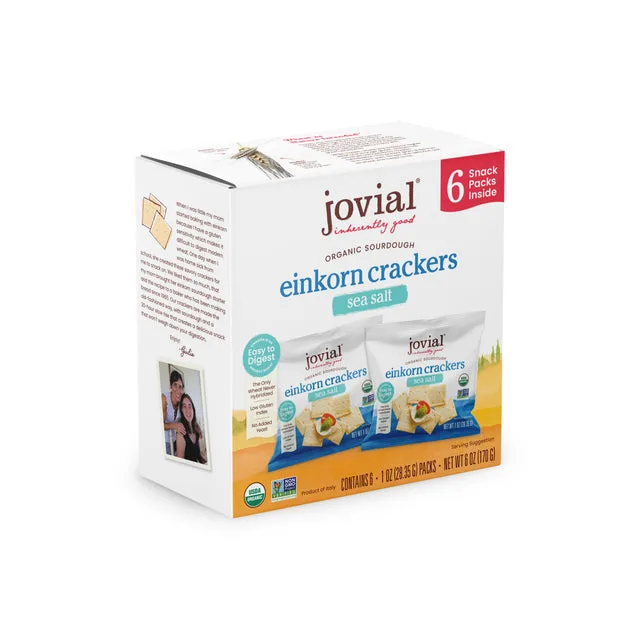 JovialOrganic Einkorn Sourdough Sea Salt Crackers – Snack Pack
 NutivaShortening Organic Superfood, Original
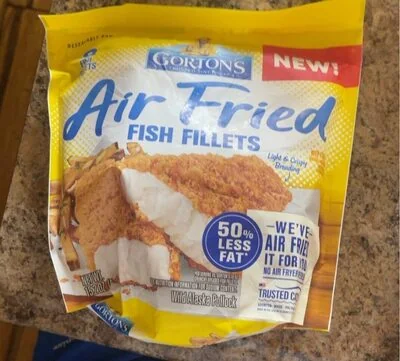 Gorton'sAir Fried Fish Fillets
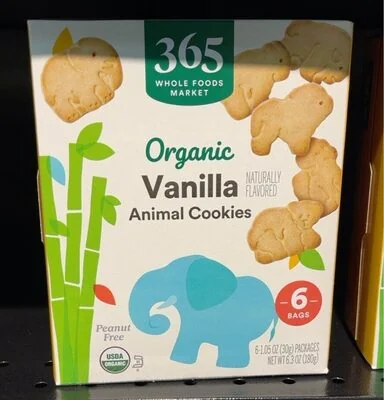 365 by Whole Foods MarketVanilla Organic Animal Cookies
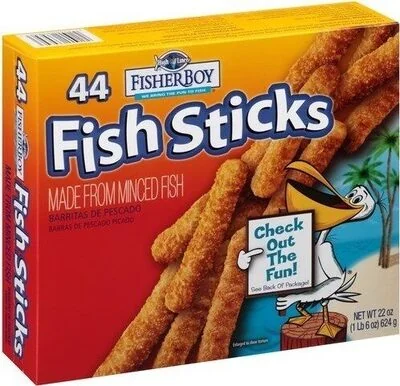 High LinerFish Sticks
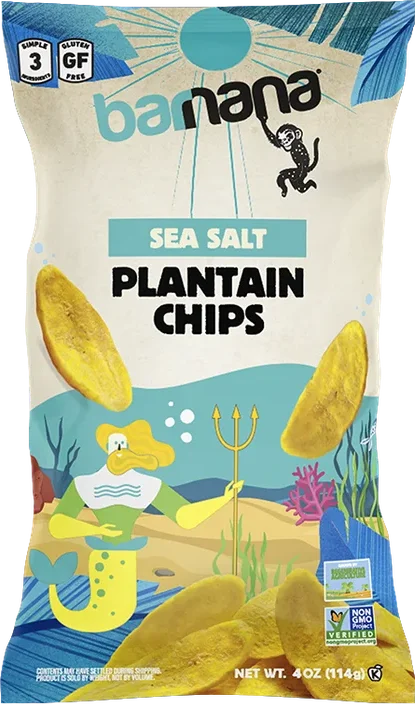 BarnanaSea Salt Plantain Chips
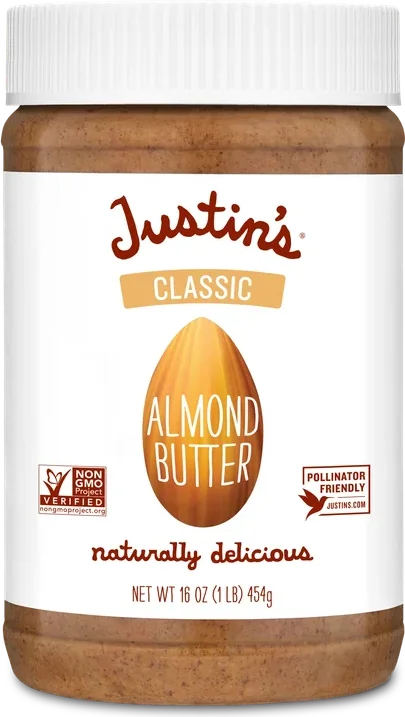 Justin'sClassic Almond Butter
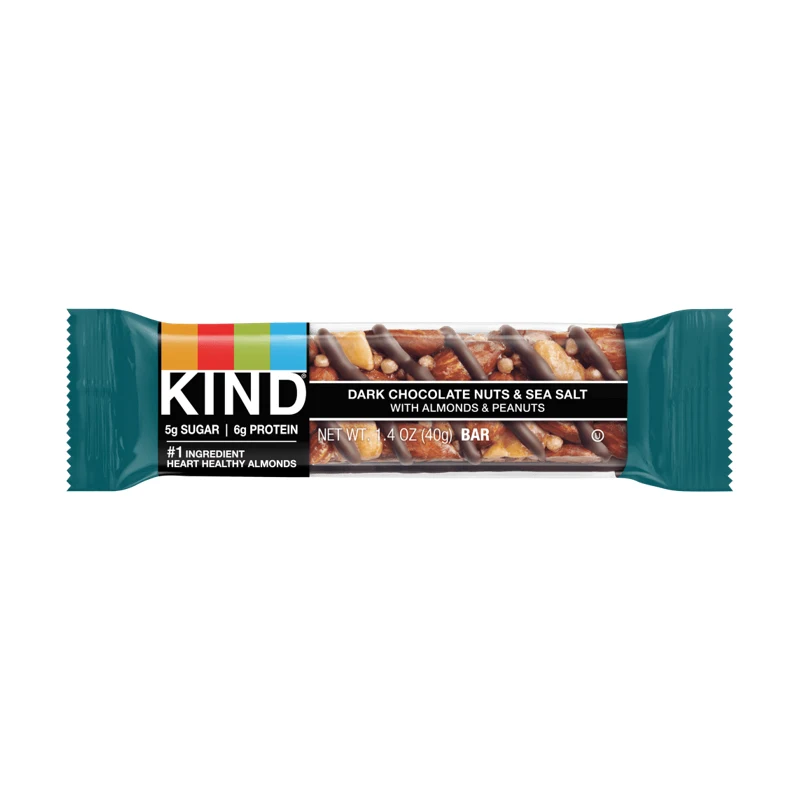 KINDDark Chocolate Nuts & Sea Salt Bars
 LakantoDark Chocolate Peanut Butter Cups
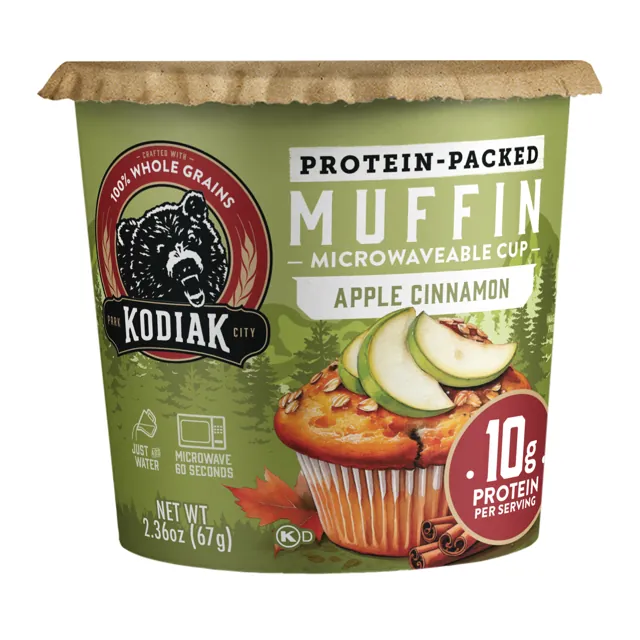 Kodiak CakesApple Cinnamon Muffin Cup
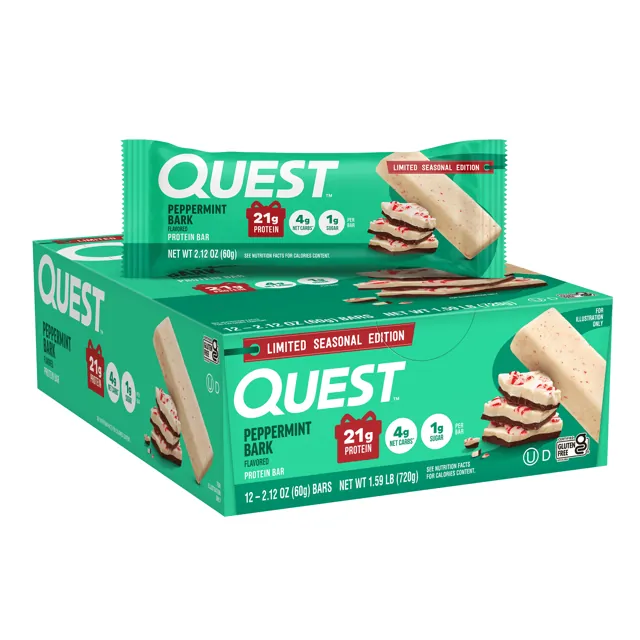 Quest NutritionPeppermint Bark Protein Bar
 Partake FoodsCrunchy Chocolate Chip
From the catalog · 8 labels
No-stir nut butters that use palm oil
A small amount of palm oil is solid at room temperature, which keeps the oil from separating. These nut butter labels list it.



The short answer
Our picks for palm oil
WinnersNutiva Shortening Organic Superfood, Original, Jovial Organic Einkorn Sourdough Sea Salt Crackers – Snack Pack, and Gorton's Air Fried Fish Fillets each score 100/100. They tie, so choose on the exact flavor or format you want.
Runners-upJustin's Classic Almond Butter (71), Barnana Sea Salt Plantain Chips (71), and Quest Nutrition Peppermint Bark Protein Bar (71).
Clear noHigh Liner Fish Sticks (lists seed oils) and 365 by Whole Foods Market Vanilla Organic Animal Cookies (lists seed oils).
Ranked from 10 of 10 products with current labels. Every product is in the table below; a score reflects labels and claims, not nutrition, allergies or safety.
Compare the recorded labels
Find the ingredients that matter to you.
“No …” columns: None found on the label · Listed on the label · Unknown. Diet fit: Fits · Doesn’t fit · Unknown (rules; not medical advice). Claims: verified · not established. Default: most check marks first; not a health score.
| Buy | ||||||||
|---|---|---|---|---|---|---|---|---|
| 100 / 1009 of 9 groups clear · organic not applicable | Product details → | 4 | ||||||
Recorded ingredients ALASKA POLLOCK FILLETS, BREADCRUMB COATING. ALASKA POLLOCK FILLETS BREADCRUMB COATING BLEACHED WHEAT FLOUR, WATER, WHEAT FLOUR, PALM OIL, MODIFIED CORN STARCH, YELLOW CORN FLOUR, SALT, SUGAR, WHEY, MALTODEXTRIN, DEHYDRATED ONION, YEAST, CARAMEL COLOR, CITRIC ACID, BREWERS YEAST, BAKING POWDER (BAKING SODA, SODIUM ALUMINUM PHOSPHATE), PAPRIKA EXTRACT (COLOR), NATURAL FLAVOR, DEHYDRATED GARLIC, DEHYDRATED GREEN BELL PEPPER, XANTHAN GUM, MALIC ACID, COLORED WITH ANNATTO AND TURMERIC EXTRACT. Label checked 2026-10-16 · US Source: USDA FoodData Central ↗ · FDC ID 2577370 · data date 2023-06-29 · release 2026-04-30. Brand-submitted label record, public domain (CC0). | ||||||||
| 100 / 1009 of 9 groups clear · organic | Find where to buy ↗Product details → | 5 | ||||||
Recorded ingredients Organic Einkorn Flour, Organic Einkorn Sourdough Starter (Organic Einkorn Flour, Water), Organic Palm Fruit Oil, Sea Salt. Label checked 2026-10-11 · US Ingredient evidence source ↗Sourcing claim evidence ↗ · reviewed 2026-10-05 Producer claims Organic The exact source catalog title states: “Organic Einkorn Sourdough Sea Salt Crackers - Snack Pack”. Source catalog claims are shown separately from ingredient checks. Producer claim source ↗Reviewed 2026-10-05 | ||||||||
| 100 / 1009 of 9 groups clear · organic | Product details → | 5 | ||||||
Recorded ingredients *ORGANIC PALM FRUIT OIL, *ORGANIC UNREFINED RED PALM OIL, ORGANIC UNREFINED VIRGIN COCONUT OIL Label checked 2026-10-16 · US Source: USDA FoodData Central ↗ · FDC ID 2665796 · data date 2023-11-16 · release 2026-04-30. Brand-submitted label record, public domain (CC0). Sourcing claim evidence ↗ · reviewed 2026-10-16 | ||||||||
| 92 / 1008 of 9 groups clear · organic | Product details → | 4 | ||||||
Recorded ingredients ORGANIC ENRICHED WHEAT FLOUR (ORGANIC WHEAT FLOUR, NIACIN, REDUCED IRON, THIAMINE MONONITRATE, RIBOFLAVIN, FOLIC ACID), ORGANIC CANE SUGAR, ORGANIC EXPELLER PRESSED PALM OIL, ORGANIC INVERT CANE SUGAR, ORGANIC EXPELLER PRESSED CANOLA OIL, ORGANIC NATURAL FLAVORS, SEA SALT, LEAVENING (SODIUM BICARBONATE). Label checked 2026-10-18 · US Source: USDA FoodData Central ↗ · FDC ID 2585443 · data date 2023-06-29 · release 2026-04-30. Brand-submitted label record, public domain (CC0). Sourcing claim evidence ↗ · reviewed 2026-10-18 | ||||||||
| 89 / 1008 of 9 groups clear · organic not applicable | Product details → | 3 | ||||||
Recorded ingredients MINCED FISH BLEND (POLLOCK, WHITING, HADDOCK, COD, SOLE), WATER, WHEAT FLOUR, VEGETABLE OIL (CANOLA, COTTONSEED, AND/OR SOYBEAN), ENRICHED WHEAT FLOUR (FLOUR, NIACIN, FERROUS SULFATE, THIAMINE MONONITRATE, RIBOFLAVIN, FOLIC ACID), MODIFIED CORN STARCH, SOY PROTEIN CONCENTRATE, SUGAR, CONTAINS 2% OR LESS OF: SALT, ISOLATED SOY PROTEIN, DEXTROSE, PALM OIL, HYDROLYZED CORN PROTEIN, CORN STARCH, LEAVENING (SODIUM ACID PYROPHOSPHATE, SODIUM ALUMINUM PHOSPHATE, SODIUM BICARBONATE, MONOCALCIUM PHOSPHATE, CALCIUM LACTATE), DEHYDRATED ONION, YEAST, MODIFIED CELLULOSE, MALTODEXTRIN, NONFAT MILK, ONION POWDER, YEAST EXTRACT, ENRICHED BLEACHED WHEAT FLOUR (FLOUR, NIACIN, FERROUS SULFATE, THIAMINE MONONITRATE, RIBOFLAVIN, FOLIC ACID), ENRICHED WHEAT FLOUR (FLOUR, NIACIN, REDUCED IRON, THIAMINE MONONITRATE, RIBOFLAVIN, FOLIC ACID), BLEACHED WHEAT FLOUR, WHEY, BUTTER FLAVOR (ENZYME MODIFIED BUTTER, FLAVOR), NATURAL FLAVORS, YELLOW CORN FLOUR, SPICES, CARAMEL COLOR, EXTRACTIVES OF PAPRIKA, ANNATTO AND TURMERIC (COLOR), SODIUM TRIPOLYPHOSPHATE (TO RETAIN MOISTURE). Label checked 2026-10-16 · US Source: USDA FoodData Central ↗ · FDC ID 2673110 · data date 2023-11-16 · release 2026-04-30. Brand-submitted label record, public domain (CC0). | ||||||||
| 71 / 1009 of 9 groups clear · no organic claim | Buy on Amazon ↗Product details → | 4 | ||||||
Recorded ingredients Plantains, RSPO Certified Sustainable Palm Oil, sea salt. Label checked 2026-10-04 · US Ingredient evidence source ↗ | ||||||||
| 71 / 1009 of 9 groups clear · no organic claim | Buy on Amazon ↗Product details → | 4 | ||||||
Recorded ingredients Dry Roasted Almonds, Palm Oil. Label checked 2026-10-04 · US Ingredient evidence source ↗ | ||||||||
| 71 / 1009 of 9 groups clear · no organic claim | Find where to buy ↗Product details → | 4 | ||||||
Recorded ingredients 100% whole grain wheat flour, cane sugar, 100% whole grain rolled oats, wheat protein isolate, 100% whole grain oat flour, palm oil, dried apples, apple powder (apples, rice flour), whey protein concentrate, cinnamon, leavening (monocalcium phosphate, baking soda), nonfat dry milk, sea salt, natural flavor. Label checked 2026-10-16 · US Ingredient evidence source ↗Producer claims Sourcing claim not reviewed The catalog establishes this product’s name and photograph. Sourcing claims and a complete ingredient label may still need review. Producer claim source ↗Reviewed | ||||||||
| 71 / 1009 of 9 groups clear · no organic claim | Find where to buy ↗Product details → | 4 | ||||||
Recorded ingredients Peanuts, Unsweetened Chocolate, Non-GMO Lakanto Monkfruit Sweetener (Erythritol and Monk Fruit Extract), Cocoa Butter, Tapioca Fiber, Peanut Flour, Palm Oil, Sea Salt, Natural Flavors, Sunflower Lecithin. *Contains: Peanuts. Label checked 2026-10-11 · US Ingredient evidence source ↗Producer claims Sourcing claim not reviewed The catalog establishes this product’s name and photograph. Sourcing claims and a complete ingredient label may still need review. Producer claim source ↗Reviewed | ||||||||
| 71 / 1009 of 9 groups clear · no organic claim | Find where to buy ↗Product details → | 4 | ||||||
Recorded ingredients PROTEIN BLEND (MILK PROTEIN ISOLATE, WHEY PROTEIN ISOLATE), POLYDEXTROSE (PREBIOTIC FIBER), WATER, ALMONDS, ERYTHRITOL, PALM KERNEL OIL, SODIUM CASEINATE, GLYCERIN. Label checked 2026-10-11 · US Ingredient evidence source ↗Producer claims Sourcing claim not reviewed The catalog establishes this product’s name and photograph. Sourcing claims and a complete ingredient label may still need review. Producer claim source ↗Reviewed | ||||||||
How the clean score works
No setup needed, and strict: a full 100 needs every additive group clear and a verified organic claim (animal foods also need a verified grass-fed or pasture-raised claim; wild seafood and salt, which have no USDA organic standard, are scored without the organic points, and plant-based milks, cheeses and proteins without the feeding claim). Points: the nine additive groups (seed oils, artificial dyes, MSG, artificial sweeteners, carrageenan, artificial preservatives, hydrogenated oils, corn syrups, banned-abroad additives) share 60 points equally — not found earns a group’s full share, “may contain” earns half, listed earns 0; a verified organic claim is worth 25; a verified grass-fed or pasture-raised claim is worth 15 and counts only for animal foods. No claim, or an expired or unverified claim, earns nothing, so products without those claims cannot reach 100. Unverified or expired ingredient labels receive no score. Equal scores are equal. Ties are ordered by brand. Unknown and stale evidence never passes “Only show matches.” Producer claims and prices do not affect this score. This is not a nutrition, allergy, or safety rating.
As an Amazon Associate I earn from qualifying purchases. Buying links do not influence ingredient results. “Buy on Amazon” opens a reviewed product listing; “Find where to buy” opens the maker’s page. Confirm the package, seller, stock, and current price before checkout. Price observations expire after 30 days.
Primary sources