Additive guides · Product label guide
What is Yellow 5 (tartrazine)? Label names, foods that use it and dye-free swaps.
Updated
Yellow 5 (tartrazine, FD&C Yellow No. 5, E102) is a synthetic lemon-yellow food dye. What it is made of, its label names, whether it is bad for you or banned, Yellow 5 vs Yellow 6, and real products whose labels list it.
Quick answer
Yellow 5 is a synthetic lemon-yellow food dye, also called tartrazine, FD&C Yellow No. 5 and E102. It is an azo dye that colors soda, candy, chips, pickles, boxed mac and cheese and cereal. It is FDA-approved and is the one color US rules require on every label that uses it, even butter, cheese and ice cream. EFSA says it can cause intolerance reactions in a small fraction of people, and the FDA wants it out of food by the end of 2027.
- Official name
- Tartrazine
- US label
- Yellow 5, FD&C Yellow No. 5
- EU code
- E102
- EU intake limit
- 7.5 mg per kg body weight a day
- In our catalog
- 76 current labels name Yellow 5
01 · A closer look
What is Yellow 5?
Yellow 5 is tartrazine, a synthetic azo dye. Federal rules define FD&C Yellow No. 5 as principally the trisodium salt of a pyrazolone azo compound, made by diazotizing 4-aminobenzenesulfonic acid with hydrochloric acid and sodium nitrite and coupling it with a pyrazolone carboxylic acid; the dye is then purified and isolated as a sodium salt. The same rule caps impurities such as lead, arsenic, mercury, aniline and benzidine, and every batch sold for food must be certified by the FDA. It contains no plant or animal ingredients.
21 CFR 74.705: FD&C Yellow No. 5 (eCFR)02 · A closer look
Yellow 5 names on an ingredient list.
Yellow 5 has the strictest labeling rule of any US color. Its own regulation requires every food that contains it, including butter, cheese and ice cream, to declare it by name, while other colors can go undeclared in those three foods. This checker matches each of these names on every label it reads.
| Label wording | What it means |
|---|---|
| Yellow 5 | The dye itself, the usual US short form |
| Yellow 5 Lake | Yellow 5 bound to aluminum so it does not bleed; used in coatings, candy shells and seasoning |
| FD&C Yellow No. 5 | The full US name: certified batch by batch for food, drugs and cosmetics |
| Tartrazine | The chemical or common name, used on many imported foods |
| E102 | The EU and UK additive code |
| Artificial color, color added (no name) | Not Yellow 5 on a US label: Yellow 5 must be named. Usually a color exempt from certification |
03 · A closer look
Foods that commonly contain Yellow 5.
The FDA lists confections, cereals, snack foods, beverages, condiments, baked goods and yogurt as typical uses. On the shelf that means lemon-lime and citrus sodas, sports drinks, candy and gummies, cheese-flavored chips and puffs, boxed mac and cheese, some pickles and relish, and frosting. Blended with Blue 1 it makes green; with Red 40 or Yellow 6 it makes orange. In our catalog candy is the most common shelf for it (counts below).
FDA: color additives and ingredient labels04 · A closer look
Is Yellow 5 bad for you?
Regulators allow it at current levels. EFSA’s 2009 re-evaluation kept an acceptable daily intake of 7.5 mg per kg of body weight and found refined intake estimates below it, but also concluded that tartrazine appears able to cause intolerance reactions in a small fraction of people, and that sensitive people may react at doses within that limit. EFSA reviewed the 2007 McCann study, which concluded that a mixture including tartrazine increased hyperactivity in 3-year-old and 8- to 9-year-old children, and agreed with an earlier EFSA opinion that it could not be used to change the intake limit. The FDA says most children have no adverse effects from color additives, while some evidence suggests certain children may be sensitive. This is a label guide, not medical advice.
EFSA ANS Panel: re-evaluation of Tartrazine (E 102), EFSA Journal (2009)05 · A closer look
Yellow 5 versus Yellow 6.
They are often listed together but are different dyes.
| Yellow 5 | Yellow 6 | |
|---|---|---|
| Official name | Tartrazine | Sunset Yellow FCF |
| EU code | E102 | E110 |
| Shade | Lemon yellow | Orange-yellow |
| Typical foods | Soda, candy, pickles, mac and cheese | Cheese snacks, cereal, baked goods, orange drinks |
| Must be named even in butter, cheese and ice cream | Yes | No |
| EU children’s warning label | Yes | Yes |
| On the FDA’s 2027 removal list | Yes | Yes |
06 · A closer look
Is Yellow 5 banned?
Not federally or in the EU. In April 2025 HHS and the FDA asked food makers to stop using Yellow 5 and five other petroleum-based dyes, and the FDA’s pledge tracker now targets the end of 2027. West Virginia barred it from school meals from August 1, 2025 and treats food containing it as adulterated from January 1, 2028, and California’s School Food Safety Act (AB 2316) bars it from public school food from December 31, 2027. Several companies have pledged to drop it sooner; the food dye ban guide lists them.
FDA: tracking food industry pledges to remove petroleum-based food dyes07 · A closer look
How to avoid Yellow 5.
Yellow 5 is easy to spot because US labels must name it.
- Read the ingredient list for Yellow 5, Yellow 5 Lake, FD&C Yellow No. 5, tartrazine or E102.
- Choose USDA Organic: certified organic foods cannot contain synthetic dyes.
- Look for yellow from turmeric, annatto, beta-carotene, saffron or paprika instead.
- Check medicine and vitamins as well as food.
- Use the dye-free picks below, whose current labels list no artificial dyes.
From the catalog · 12 labels
Yellow 5 in our catalog
Of the 4,729 products whose full ingredient list we have read in the last 90 days, 76 (from 59 brands) name Yellow 5. It is almost never the only dye: 61 of those labels also list Red 40 and 61 list Blue 1. Below are up to 12 of them, one per brand; open a product to see the full label and the date we read it.
| Labels | |
|---|---|
| Current, complete labels checked | 4,729 |
| Name Yellow 5 (tartrazine) | 76 (1.6%) |
| Yellow 5 labels that also list Red 40 | 61 of 76 |
| Yellow 5 labels that also list Blue 1 | 61 of 76 |
| Yellow 5 labels that also list Yellow 6 | 50 of 76 |
| Yellow 5 labels using Yellow 5 Lake | 15 of 76 |
| Yellow 5 labels on the Candy & gummies shelf | 35 |
| Yellow 5 labels on the Cookies shelf | 10 |
| Yellow 5 labels on the Cereal shelf | 4 |
| Yellow 5 labels on the Chips & crisps shelf | 3 |
| Yellow 5 labels on the Nuts & seeds shelf | 3 |
 BarebellsBirthday Cake
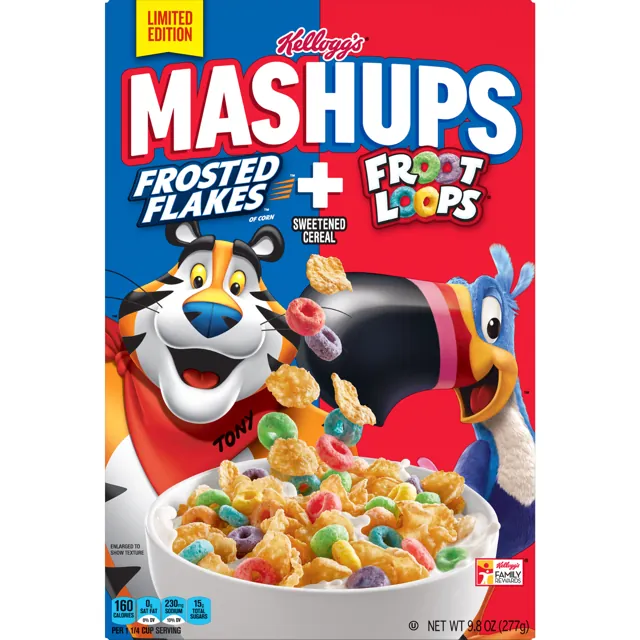 Kellogg'sMashups Frosted Flakes of Corn + Froot Loops Sweetened Cereal
 General MillsLucky Charms, Frosted Toasted Oat Cereal with Marshmallows
 PostFruity Pebbles Sweetened Rice Cereal
- Photo pendingDannonDanimals, Nonfat Yogurt with Chocolate Candies Topping, Vanilla
 GoyaYellow Rice
- Photo pendingDoritosCool Ranch Flavored Tortilla Chips
- Photo pendingWiseBbq Potato Chips
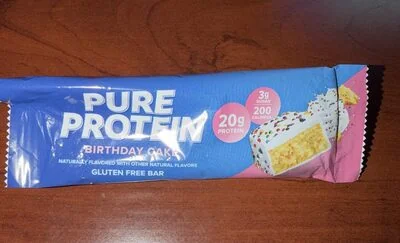 Pure ProteinBirthday Cake Bar
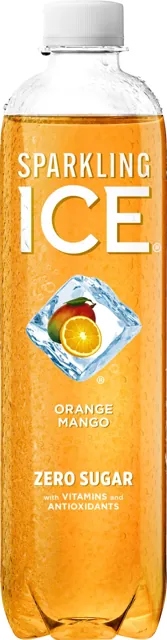 Sparkling IceSparkling Water, Orange Mango
- Photo pendingTotino'sPepperoni Pizza Rolls
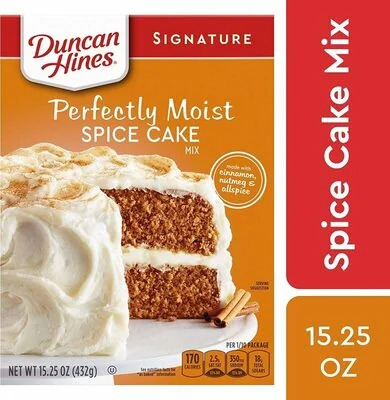 Duncan HinesPerfectly Moist Spice Cake Mix
The short answer
Our picks for what is yellow 5?
Top of the shelfNature's Path Organic Khorasan Wheat Puffs Cereal, Nature's Path Organic Crispy Rice Gluten-Free Cereal, and Nature's Path Organic Whole O’s Gluten-Free Cereal each score 100/100. 13 products tie at 100; these 3 have the shortest labels. Use Compare by in the table to separate the rest.
Also strongEnviroKidz Organic Monarch Magic Cereal (100), EnviroKidz Organic Choco Chimps Cereal (100), and Nature's Path Organic Flax Plus Multibran Flakes Cereal (100).
Clear noKettle Brand Sea Salt Potato Chips (lists seed oils), Jovial Organic Einkorn Cereal Puffs (lists seed oils), EnviroKidz Organic Panda Puffs Cereal (lists seed oils), plus 3 more with a listed group.
Ranked from 24 of 24 products with current labels. Every product is in the table below; a score reflects labels and claims, not nutrition, allergies or safety.
Compare the recorded labels
Find the ingredients that matter to you.
“No …” columns: None found on the label · Listed on the label · Unknown. Diet fit: Fits · Doesn’t fit · Unknown (rules; not medical advice). Claims: verified · not established. Default: most check marks first; not a health score.
| Buy | ||||||||
|---|---|---|---|---|---|---|---|---|
| 100 / 1009 of 9 groups clear · organic | Buy on Amazon ↗Product details → | 5 | ||||||
Recorded ingredients Brown rice flour*, corn flour*, cane sugar*, gluten-free whole grain oat flour*, pomegranate juice concentrate*, black carrot juice concentrate* (color), sea salt, raspberry juice concentrate*, vegetable powder* (kale*, broccoli*, carrot*, spinach*, beet*, green cabbage*, parsley*), strawberry juice concentrate*, natural flavors*. *Organic. Produced in a facility that uses tree nuts, peanuts and soy. Label checked 2026-10-05 · US Ingredient evidence source ↗Sourcing claim evidence ↗ · reviewed 2026-10-05 Producer claims Organic The exact source catalog title states: “EnviroKidz Organic Cheetah Chomps Cereal”. Source catalog claims are shown separately from ingredient checks. Producer claim source ↗Reviewed 2026-10-05 | ||||||||
| 100 / 1009 of 9 groups clear · organic | Buy on Amazon ↗Product details → | 5 | ||||||
Recorded ingredients Whole grain corn meal*, corn meal*, cane sugar*, Fair Trade cocoa powder* (processed with alkali), molasses*, chocolate flavor*, tapioca starch*, sea salt. *Organic. Produced in a facility that uses peanuts, tree nuts and soy. Label checked 2026-10-05 · US Ingredient evidence source ↗Sourcing claim evidence ↗ · reviewed 2026-10-05 Producer claims Organic The exact source catalog title states: “EnviroKidz Organic Choco Chimps Cereal”. Source catalog claims are shown separately from ingredient checks. Producer claim source ↗Reviewed 2026-10-05 | ||||||||
| 100 / 1009 of 9 groups clear · organic | Buy on Amazon ↗Product details → | 5 | ||||||
Recorded ingredients Whole grain cornmeal*, cane sugar*, natural flavor*, sea salt, cinnamon*, inulin*, molasses*. *Organic. Produced in a facility that uses soy, peanuts and tree nuts. Label checked 2026-10-05 · US Ingredient evidence source ↗Sourcing claim evidence ↗ · reviewed 2026-10-05 Producer claims Organic The exact source catalog title states: “EnviroKidz Organic Monarch Magic Cereal”. Source catalog claims are shown separately from ingredient checks. Producer claim source ↗Reviewed 2026-10-05 | ||||||||
| 100 / 1009 of 9 groups clear · organic | Buy on Amazon ↗Product details → | 5 | ||||||
Recorded ingredients Brown rice flour*, navy bean flour*, cane sugar*, beetroot juice concentrate* (color), sea salt, Fair Trade cocoa powder* (processed with alkali), strawberry juice concentrate*, strawberry flavor*, chocolate flavor*. *Organic. Produced in a facility that uses tree nuts, peanuts and soy. Label checked 2026-10-05 · US Ingredient evidence source ↗Sourcing claim evidence ↗ · reviewed 2026-10-05 Producer claims Organic The exact source catalog title states: “EnviroKidz Organic Turtle Splash Cereal”. Source catalog claims are shown separately from ingredient checks. Producer claim source ↗Reviewed 2026-10-05 | ||||||||
| 100 / 1009 of 9 groups clear · organic | Buy on Amazon ↗Product details → | 5 | ||||||
Recorded ingredients Organic Milled Corn, Organic Avocado Oil, Organic Coconut Oil, Organic Raw Cane Sugar, Organic Tapioca Solids, Sea Salt, Organic Onion Powder, Organic Garlic Powder, Organic Spices, Citric Acid. Label checked 2026-10-04 · US Ingredient evidence source ↗Sourcing claim evidence ↗ · reviewed 2026-10-05 | ||||||||
| 100 / 1009 of 9 groups clear · organic | Buy on Amazon ↗Product details → | 5 | ||||||
Recorded ingredients Brown rice flour*, cane sugar*, sea salt, molasses*. *Organic. Produced in a facility that uses tree nuts, peanuts and soy. Label checked 2026-10-05 · US Ingredient evidence source ↗Sourcing claim evidence ↗ · reviewed 2026-10-05 Producer claims Organic The exact source catalog title states: “Nature's Path Organic Crispy Rice Gluten Free Cereal”. Source catalog claims are shown separately from ingredient checks. Producer claim source ↗Reviewed 2026-10-05 | ||||||||
| 100 / 1009 of 9 groups clear · organic | Buy on Amazon ↗Product details → | 5 | ||||||
Recorded ingredients Whole wheat flour*, wheat bran*, cane sugar*, flax seed*, oat bran*, barley malt extract*, sea salt, tocopherols (Vitamin E). *Organic. Contains wheat. Produced in a facility that uses tree nuts, peanuts and soy. Label checked 2026-10-05 · US Ingredient evidence source ↗Sourcing claim evidence ↗ · reviewed 2026-10-05 Producer claims Organic The exact source catalog title states: “Nature's Path Organic Flax Plus Multibran Flakes Cereal”. Source catalog claims are shown separately from ingredient checks. Producer claim source ↗Reviewed 2026-10-05 | ||||||||
| 100 / 1009 of 9 groups clear · organic | Buy on Amazon ↗Product details → | 5 | ||||||
Recorded ingredients Whole grain khorasan wheat*. *Organic. Contains: Wheat. Label checked 2026-10-05 · US Ingredient evidence source ↗Sourcing claim evidence ↗ · reviewed 2026-10-05 Producer claims Organic The exact source catalog title states: “Nature's Path Organic Khorasan Wheat Puffs Cereal”. Source catalog claims are shown separately from ingredient checks. Producer claim source ↗Reviewed 2026-10-05 | ||||||||
| 100 / 1009 of 9 groups clear · organic | Buy on Amazon ↗Product details → | 5 | ||||||
Recorded ingredients Corn meal* and/or yellow corn flour*, cane sugar*, flax seeds*, buckwheat flour*, quinoa*, amaranth*, sea salt, tocopherols (vitamin e). *Organic. Produced in a facility that uses tree nuts, peanuts and soy. Label checked 2026-10-05 · US Ingredient evidence source ↗Sourcing claim evidence ↗ · reviewed 2026-10-05 Producer claims Organic The exact source catalog title states: “Nature's Path Organic Mesa Sunrise Gluten Free Cereal”. Source catalog claims are shown separately from ingredient checks. Producer claim source ↗Reviewed 2026-10-05 | ||||||||
| 100 / 1009 of 9 groups clear · organic | Buy on Amazon ↗Product details → | 5 | ||||||
Recorded ingredients Wheat bran*, oat fiber*, cane sugar*, psyllium seed husk*, barley malt extract*, oat bran*, whole oat flour*, sea salt. *Organic. Produced in a facility that uses tree nuts, peanuts and soy. Label checked 2026-10-05 · US Ingredient evidence source ↗Sourcing claim evidence ↗ · reviewed 2026-10-05 Producer claims Organic The exact source catalog title states: “Nature's Path Organic Smart Bran Cereal”. Source catalog claims are shown separately from ingredient checks. Producer claim source ↗Reviewed 2026-10-05 | ||||||||
| 100 / 1009 of 9 groups clear · organic | Find where to buy ↗Product details → | 5 | ||||||
Recorded ingredients Whole grain corn meal*, brown rice flour*, cane sugar*, corn meal*, yellow corn flour*, inulin*, quinoa*, vanilla flavor*, flax seeds*, sea salt, amaranth*, buckwheat flour*, molasses*, tocopherols (Vitamin E). *Organic. Produced in a facility that uses tree nuts, peanuts and soy. Label checked 2026-10-05 · US Ingredient evidence source ↗Sourcing claim evidence ↗ · reviewed 2026-10-05 Producer claims Organic The exact source catalog title states: “Nature's Path Organic Sunrise Crunchy Vanilla Gluten Free Cereal”. Source catalog claims are shown separately from ingredient checks. Producer claim source ↗Reviewed 2026-10-05 | ||||||||
| 100 / 1009 of 9 groups clear · organic | Buy on Amazon ↗Product details → | 5 | ||||||
Recorded ingredients Brown rice flour*, corn flour*, cane sugar*, pomegranate juice concentrate*, sea salt. Produced in a facility that uses tree nuts, peanuts and soy. Label checked 2026-10-05 · US Ingredient evidence source ↗Sourcing claim evidence ↗ · reviewed 2026-10-05 Producer claims Organic The exact source catalog title states: “Nature's Path Organic Whole O's Gluten Free Cereal”. Source catalog claims are shown separately from ingredient checks. Producer claim source ↗Reviewed 2026-10-05 | ||||||||
| 100 / 1009 of 9 groups clear · organic | Buy on Amazon ↗Product details → | 5 | ||||||
Recorded ingredients Khorasan wheat flour*, wheat bran*, whole wheat meal*, cane sugar*, whole oat flour*, spelt flour*, barley flour*, whole millet*, barley malt extract*, quinoa*, sea salt, honey*. *Organic. Contains soy. Produced in a facility that uses soy, peanuts and tree nuts. Label checked 2026-10-05 · US Ingredient evidence source ↗Sourcing claim evidence ↗ · reviewed 2026-10-05 | ||||||||
| 92 / 1008 of 9 groups clear · organic | Buy on Amazon ↗Product details → | 4 | ||||||
Recorded ingredients Whole grain corn meal*, corn meal*, cane sugar*, peanut butter*, molasses*, Fair Trade cocoa powder*, sea salt, soy oil*, chocolate flavor*, tapioca starch*, tocopherols (vitamin E). *Organic. Contains peanuts and soy. Produced in a facility that uses tree nuts. Label checked 2026-10-05 · US Ingredient evidence source ↗Sourcing claim evidence ↗ · reviewed 2026-10-05 Producer claims Organic The exact source catalog title states: “EnviroKidz Organic Leapin' Lemurs Cereal”. Source catalog claims are shown separately from ingredient checks. Producer claim source ↗Reviewed 2026-10-05 | ||||||||
| 92 / 1008 of 9 groups clear · organic | Find where to buy ↗Product details → | 4 | ||||||
Recorded ingredients Whole grain corn meal*, corn meal*, cane sugar*, peanut butter*, soy oil*, sea salt, tocopherols (added to enhance freshness). *Organic. Contains peanuts and soy. Produced in a facility that uses tree nuts. Label checked 2026-10-05 · US Ingredient evidence source ↗Sourcing claim evidence ↗ · reviewed 2026-10-05 Producer claims Organic The exact source catalog title states: “EnviroKidz Organic Panda Puffs Cereal”. Source catalog claims are shown separately from ingredient checks. Producer claim source ↗Reviewed 2026-10-05 | ||||||||
| 92 / 1008 of 9 groups clear · organic | Find where to buy ↗Product details → | 4 | ||||||
Recorded ingredients Whole grain corn meal*, Corn meal*, Cane sugar*, Peanut butter*, Beet juice concentrate*, Sea salt, Tapioca starch*, Soy oil*, Natural flavour*, Strawberry juice concentrate*, Citric acid, Tocopherols (added to enhance freshness). *Organic. Contains: Peanuts, Soy. May contain: Tree nuts. Label checked 2026-10-05 · US Ingredient evidence source ↗Sourcing claim evidence ↗ · reviewed 2026-10-05 Producer claims Organic The exact source catalog title states: “EnviroKidz Organic Red Panda Puffs® Cereal”. Source catalog claims are shown separately from ingredient checks. Producer claim source ↗Reviewed 2026-10-05 | ||||||||
| 92 / 1008 of 9 groups clear · organic | Find where to buy ↗Product details → | 4 | ||||||
Recorded ingredients Organic puffed einkorn wheat, organic sugar, organic honey, organic sunflower oil. Contains wheat. Label checked 2026-10-05 · US Ingredient evidence source ↗Sourcing claim evidence ↗ · reviewed 2026-10-05 Producer claims Organic The exact source catalog title states: “Organic Einkorn Cereal Puffs”. Source catalog claims are shown separately from ingredient checks. Producer claim source ↗Reviewed 2026-10-05 | ||||||||
| 92 / 1008 of 9 groups clear · organic | Find where to buy ↗Product details → | 4 | ||||||
Recorded ingredients Whole wheat meal*, raisins* (coated with sun flower oil*), whole grain rolled oats*, wheat bran*, cane sugar*, flax seeds*, pumpkin seeds*, soy oil*, brown rice flour*, oat bran*, barley malt extract*, sea salt, rice starch*, tocopherols (vitamin e), molasses*, cinnamon*. *Organic. Contains wheat and soy. produced in a facility that uses tree nuts and peanuts. Label checked 2026-10-05 · US Ingredient evidence source ↗Sourcing claim evidence ↗ · reviewed 2026-10-05 Producer claims Organic The exact source catalog title states: “Nature's Path Organic Flax Plus Pumpkin Raisin Crunch Cereal”. Source catalog claims are shown separately from ingredient checks. Producer claim source ↗Reviewed 2026-10-05 | ||||||||
| 71 / 1009 of 9 groups clear · no organic claim | Buy on Amazon ↗Product details → | 4 | ||||||
Recorded ingredients Plantains, RSPO Certified Sustainable Palm Oil, sea salt. Label checked 2026-10-04 · US Ingredient evidence source ↗ | ||||||||
| 71 / 1009 of 9 groups clear · no organic claim | Find where to buy ↗Product details → | 4 | ||||||
Recorded ingredients Potatoes, Beef Tallow, Sea Salt Label checked 2026-10-04 · US Ingredient evidence source ↗ | ||||||||
| 71 / 1009 of 9 groups clear · no organic claim | Buy on Amazon ↗Product details → | 4 | ||||||
Recorded ingredients Whole Grain Oats, Corn Starch, Sugar, Salt, Tripotassium Phosphate. Vitamin E (mixed tocopherols) Added to Preserve Freshness. Vitamins and Minerals: Calcium Carbonate, Iron and Zinc (mineral nutrients), Vitamin C (sodium ascorbate), A B Vitamin (niacinamide), Vitamin B6 (pyridoxine hydrochloride), Vitamin A (palmitate), Vitamin B1 (thiamin mononitrate), A B Vitamin (folic acid), Vitamin B12, Vitamin D3. Label checked 2026-10-05 · US Ingredient evidence source ↗ | ||||||||
| 71 / 1009 of 9 groups clear · no organic claim | Buy on Amazon ↗Product details → | 4 | ||||||
Recorded ingredients Sweet Potatoes, Avocado Oil, Sea Salt. Label checked 2026-10-04 · US Ingredient evidence source ↗ | ||||||||
| 71 / 1009 of 9 groups clear · no organic claim | Buy on Amazon ↗Product details → | 4 | ||||||
Recorded ingredients Cassava flour, avocado oil, tapioca starch, nacho seasoning (nutritional yeast, tomato powder, sea salt, citric acid, garlic powder, jalapeño powder, onion powder, serrano powder), coconut flour, chia seeds. Label checked 2026-10-04 · US Ingredient evidence source ↗ | ||||||||
| 63 / 1008 of 9 groups clear · no organic claim | Buy on Amazon ↗Product details → | 3 | ||||||
Recorded ingredients Potatoes, Vegetable Oils (Canola, Sunflower and/or Safflower), Sea Salt. Label checked 2026-10-04 · US Ingredient evidence source ↗ | ||||||||
How the clean score works
No setup needed, and strict: a full 100 needs every additive group clear and a verified organic claim (animal foods also need a verified grass-fed or pasture-raised claim; wild seafood and salt, which have no USDA organic standard, are scored without the organic points, and plant-based milks, cheeses and proteins without the feeding claim). Points: the nine additive groups (seed oils, artificial dyes, MSG, artificial sweeteners, carrageenan, artificial preservatives, hydrogenated oils, corn syrups, banned-abroad additives) share 60 points equally — not found earns a group’s full share, “may contain” earns half, listed earns 0; a verified organic claim is worth 25; a verified grass-fed or pasture-raised claim is worth 15 and counts only for animal foods. No claim, or an expired or unverified claim, earns nothing, so products without those claims cannot reach 100. Unverified or expired ingredient labels receive no score. Equal scores are equal. Ties are ordered by brand. Unknown and stale evidence never passes “Only show matches.” Producer claims and prices do not affect this score. This is not a nutrition, allergy, or safety rating.
As an Amazon Associate I earn from qualifying purchases. Buying links do not influence ingredient results. “Buy on Amazon” opens a reviewed product listing; “Find where to buy” opens the maker’s page. Confirm the package, seller, stock, and current price before checkout. Price observations expire after 30 days.
Primary sources
Sources
- 21 CFR 74.705: FD&C Yellow No. 5 (eCFR) ecfr.gov
- 21 CFR 101.22(k): how colorings must be declared on food labels (eCFR) ecfr.gov
- FDA: color additives and ingredient labels fda.gov
- FDA: tracking food industry pledges to remove petroleum-based food dyes fda.gov
- EFSA ANS Panel: re-evaluation of Tartrazine (E 102), EFSA Journal (2009) doi.org
- West Virginia Legislature: House Bill 2354 (2025), enrolled text wvlegislature.gov
- Assemblymember Jesse Gabriel: Governor signs the California School Food Safety Act, AB 2316 (Sept 28, 2024) a46.asmdc.org
Watch
The video about this page
